

1. Introduction
Moving to Japan is an exciting prospect for many people, but it’s important to make sure you have the financial resources necessary for such a big move. It can be difficult to determine exactly how much money you need before moving to Japan, but with the right information and preparation, you can make sure that you are financially ready for your new life in Japan. In this article, we will discuss the cost of living in Japan, pre-departure expenses, finding a job in Japan, budgeting tips for moving to Japan, financial preparation before moving to Japan, emergency funds and insurance, and other considerations when moving to Japan.
2. Cost of Living in Japan
The cost of living in Japan varies depending on where you live and what type of lifestyle you lead. Generally speaking, Tokyo is one of the more expensive cities in the world; however, other parts of the country can be more affordable. Rent prices vary significantly depending on location and size of apartment/house; however, expect to pay at least ¥50-60k per month (approximately $500-600 USD) for a one bedroom apartment in Tokyo or ¥30-40k ($300-400 USD) elsewhere. Food prices also vary widely depending on where you shop; however, expect to pay approximately ¥3k ($30 USD) per week for groceries if shopping at a local supermarket or convenience store.
3. Pre-Departure Expenses
Before leaving your home country there are several expenses that should be taken into consideration when planning your move to Japan. These include airfare (which can range from $500-$2000+ USD depending on origin), visa fees (typically around $200 USD), health insurance (around $50-$100 USD/month), and any other travel costs associated with getting settled in your new home country (such as transportation costs). Additionally, there may be additional costs associated with shipping items from your home country such as furniture or personal belongings; these costs should also be taken into consideration when budgeting for your move to Japan.
4. Finding a Job in Japan
Finding a job in Japan can be challenging due to language barriers and cultural differences; however it is possible with some persistence and research. Many expats find employment through English teaching jobs or internships/trainee programs which usually provide housing stipends as well as salary payments; these positions typically require some knowledge of Japanese language but not necessarily fluency. Additionally there are many international companies based out of Tokyo which offer positions specifically geared towards expats; these positions usually require higher levels of language proficiency or specialized skillsets but often offer higher salaries than entry level positions within Japanese companies.

- Used Book in Good Condition
- George Trombley (Author)
- English (Publication Language)
- 376 Pages - 08/22/2014 (Publication Date) - Learn From Zero (Publisher)

- Ken Fukuyama, Yuki Fukuyama (Author)
- English (Publication Language)
- 246 Pages - 10/11/2022 (Publication Date) - Independently published (Publisher)
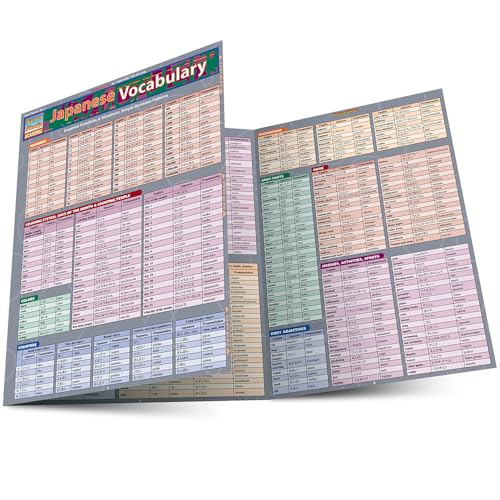
- Used Book in Good Condition
- Sumiko Uo (Author)
- English (Publication Language)
- 6 Pages - 01/01/2005 (Publication Date) - BarCharts Publishing Inc. (Publisher)
5. Budgeting Tips for Moving to Japan
Budgeting is essential when preparing for a move abroad as it allows you to plan ahead financially so that you don’t end up overspending once you arrive in your new home country. Start by researching different areas and types of accommodations available so that you have an idea of what kind of rental prices are typical within different regions; this will give you an idea of how much money should be allocated towards rent each month once you arrive in Japan. Additionally create a budget outlining all expected expenses such as food costs, transportation fees etc., so that you know exactly how much money needs to be saved before departing from your home country and arriving in Japan
6 Financial Preparation Before Moving ToJapan
When preparing financially for a move abroad it’s important to save up enough money before departing from your home country so that unexpected expenses don’t derail your plans once arriving in your new home country – this includes having enough money saved up not just for initial expenses such as rent deposits and airfare but also enough funds set aside for emergency situations such as medical bills or unexpected travel costs etc.. Additionally it’s important to check exchange rates prior to departure so that currency conversions won’t come as too much surprise once arriving at destination – this will help ensure that budgeting is accurate throughout the entire process leading up until arrival day!
7 Emergency Funds And Insurance
It’s always wise to have some sort of emergency fund set aside before departing from your home country – this could include having access either through savings accounts or credit cards so that unexpected expenses don’t derail plans after arrival day! Additionally having adequate health insurance coverage is essential when living abroad – most employers will provide health insurance benefits but if not then purchasing private coverage may be necessary depending on individual circumstances!
8 Other Considerations When Moving ToJapan
When preparing financially for a move abroad there are several other considerations which should also be taken into account – these include taxes owed both domestically & internationally (depending on residency status), any additional fees associated with setting up bank accounts/utilities etc., potential tuition/education costs if continuing studies while living abroad etc.. Additionally it may also be beneficial set aside extra funds just incase issues arise during transition period such as delays with visas/work permits etc., since these can cause delays with income generation which could potentially leave individuals short on funds until they are able resolve issue(s).
9 Conclusion
>
In conclusion while it can difficult determine exactly how much money one should have before moving abroad there are several factors which should taken into account when budgeting & planning finances prior departure – these include cost living within destination country along pre-departure expenses such airfare & visa fees etc., finding job upon arrival & budgeting tips help ensure financial stability during transition period plus emergency funds & insurance coverage just incase issues arise during process! With proper research & planning anyone looking move abroad can make sure they have sufficient financial resources available them upon arrival their new home!
- Used Book in Good Condition
- George Trombley (Author)
- English (Publication Language)
- 376 Pages - 08/22/2014 (Publication Date) - Learn From Zero (Publisher)
- Ken Fukuyama, Yuki Fukuyama (Author)
- English (Publication Language)
- 246 Pages - 10/11/2022 (Publication Date) - Independently published (Publisher)
- Used Book in Good Condition
- Sumiko Uo (Author)
- English (Publication Language)
- 6 Pages - 01/01/2005 (Publication Date) - BarCharts Publishing Inc. (Publisher)
How much money does it take to move to Japan?
Total moving fee Housing contract fee (including deposit and principal) 320000-400000 yen Cost of food 30000 to 40000 yen Water gas and electricity approx. 10000 yen Postage approx. 10000 yen 12 March 1252
Is it cheaper to live in US or Japan?
The average price per square foot to buy a home in the inner city of the United States is about $335 compared to $760 in Japan. This is a growth of 57 percent. But overall house prices are generally lower in Japan than in the US especially after the Covid pandemic.
How much is rent in Japan in USD?
Average rent in Japan ranges from about 20000 JPY (190 USD) per month for a room in shared housing in the capital to 150000 JPY (1400 USD) for a private apartment. The average price for a two-bedroom unit is 200000 JPY (1870 USD) per month.
Can I realistically move to Japan?
Yes you can travel to Japan from the US. Depending on your situation you should apply for a visa at the nearest Japanese embassy or consulate² to your home.
What is considered rich in Japan?
But how are rich people defined in Japan? According to Atsushi Miura who published a book last year called The New Rich the financial industry considers a person rich if he has an annual income of more than ¥30 million and has assets of at least ¥1 million.
What is the average cost of a house in Japan?
A major national market survey found that the average list price of new homes sold in Japan last month was ¥35760000 (about $337000). June 15 2016
