
Is Japan a U.S. ally now?

Is Japan a U.S. ally now?

This article explores the history of US-Japan relations, their current alliance, mutual benefits of being allies, challenges facing the partnership, Japan's strategic role in the region, US-Japan security cooperation and ultimately answers the question: Is Japan a U.S. ally now? After decades of complicated history between the two countries, it can be seen that despite some disagreements over trade policies & territorial disputes, the US-Japan alliance remains strong today thanks to mutual benefits provided by their partnership as well as Japan's strategic importance in maintaining regional stability on the world stage.
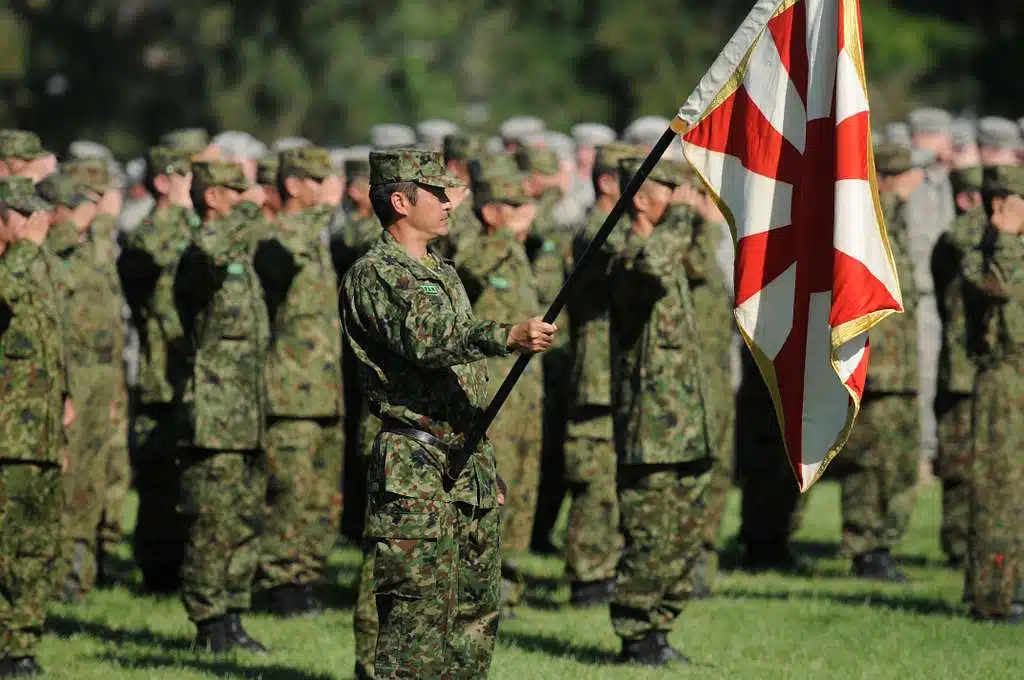
Is Japan allowed to have a military again?

Is Japan allowed to have a military again?

This article examines the debate surrounding Japan's ability to maintain a military since World War II. It discusses the San Francisco Peace Treaty, Article 9 of the Japanese Constitution, Japan's modern Self Defense Force, its US-Japan Security Alliance, and its role in international peacekeeping operations. Public opinion polls suggest that most people are opposed to revising Article 9 to allow for an official military again. Arguments for and against allowing Japan to have a military again are also discussed.
Why are U.S. troops still in Japan?

Why are U.S. troops still in Japan?

This article examines why U.S. troops are still stationed in Japan, 70 years after the end of World War II. It looks at the historical context of U.S.-Japan relations, Japan's strategic location in the Pacific, the role of U.S. troops in Japan and other factors that have kept them there such as the Status Of Forces Agreement (SOFA), the U.S.-Japan Security Alliance, North Korea's nuclear weapons program and Japan's defense spending cap. The article concludes that these factors all combine to keep American forces in place and ensure a continued partnership between two former enemies.
What food is unique in Japan?

What food is unique in Japan?

This article explores the unique and popular foods of Japan, such as sushi, ramen, tempura, kaiseki ryori, yakitori and takoyaki. These dishes are characterized by their fresh ingredients and simple preparation techniques using methods such as grilling, steaming, boiling, frying and pickling. Japanese cuisine is known for its small portions to allow diners to sample a variety of flavors and condiments like soy sauce or miso paste are used to enhance flavor.

Is Japan in NATO 2022?

This article examines the potential of Japan joining the North Atlantic Treaty Organization (NATO) in 2022. It looks at the history of Japan's involvement with NATO and other international organizations, as well as the advantages and challenges associated with Japanese membership. It also considers the potential impact that Japan joining NATO could have on regional stability in the Asia Pacific region, increased collaboration between East and West, and improved security measures implemented by all involved parties. The article concludes by noting that before any decision can be made, Tokyo must first overcome domestic opposition and address financial commitments required to maintain defense capabilities in Europe and beyond.

What do Japanese eat for dinner?

This article explores the traditional and modern dishes typically eaten for dinner in Japan. It covers popular dishes such as sushi, tempura, yakitori, noodles, donburi and tonkatsu, as well as regional variations of Japanese cuisine. It also discusses the influence of western cuisine in Japan, eating out for dinner in Japan, meal times and etiquette for Japanese dinners, and healthy eating habits in Japan.
Who are Japan strongest allies?

Who are Japan strongest allies?

Japan has developed strong alliances with a number of countries over centuries, such as the United States, United Kingdom, Australia and New Zealand, South Korea and Taiwan. These alliances were formed during World War II and continue to be in effect today. The US-Japan Security Treaty signed in 1951 is still in effect providing for mutual defense against external threats. The UK-Japan Economic Partnership Agreement (EPA) was signed in 2019 providing for free trade between both countries. Australia and New Zealand cooperate on security issues through joint military exercises such as KAKADU. Japan also cooperates with South Korea and Taiwan on intelligence sharing agreements like FVEY to combat cybercrime threats more effectively together than if they were working separately. China and Russia are not considered strong allies due to their different political ideologies and historical tensions.
Why is Japan famous for food?

Why is Japan famous for food?

Japan is renowned for its unique cuisine, which has been heavily influenced by its history and culture. This article explores the history and culture of Japanese cuisine, as well as some of the most popular dishes from around the world. It discusses Japan's use of unique ingredients and cooking techniques, regional dishes of Japan, popular Japanese dishes around the world, sushi in Japanese cuisine, and the health benefits associated with eating traditional Japanese food.
Why is Japan an ally of US?

Why is Japan an ally of US?

The US-Japan alliance is one of the most important strategic relationships in the world today and has been a cornerstone of peace and stability in Asia for more than 70 years. This article examines why Japan is an ally of the United States, exploring its historical context, mutual interests and benefits, strategic role in supporting US security interests, economic cooperation between the two countries, cultural exchange between them, and its impact on Asia and the world. The alliance is based on shared values such as democracy, human rights and free markets which have enabled both countries to benefit from close economic ties over many decades. It also provides mutual security benefits that are critical for both sides and has had a positive impact on Asian stability while being an example for other nations looking for ways to cooperate despite differences.
Why did Japanese not eat meat?

Why did Japanese not eat meat?

This article explores the history and reasoning behind why the Japanese do not eat meat, which can be traced back to the 8th century when Buddhism was introduced. Religion and cultural influences have been major factors in this decision, as Buddhism is still widely practiced in Japan today and traditional Shinto festivals involve offerings made with only plant-based ingredients. Additionally, there are health benefits associated with not eating meat such as reducing risk factors for certain illnesses and cholesterol levels. Recent changes due to globalization have resulted in more exposure to international cuisines containing animal products, however most people still prefer plant-based diets over those containing animal products due mainly because they are seen as healthier options overall.