Do married couples sleep in the same bed in Japan?

Do married couples sleep in the same bed in Japan?

Married couples in Japan often sleep separately due to reasons such as snoring, different work schedules, and the desire for personal space. Futon beds are a common sleeping arrangement for those who do sleep together. In traditional Japanese homes, families slept together in one room with futon beds laid out on the floor, while modern homes commonly have separate bedrooms. Sleeping separately is not viewed negatively in Japanese culture and is considered a practical solution to sleeping problems. Communication and spending quality time together are essential factors in maintaining a healthy and strong marriage.
What is Sugoi in Japanese?

What is Sugoi in Japanese?

This article explores the meaning and usage of the Japanese word "sugoi," which is commonly translated as "amazing" or "awesome." The word has a broader meaning than that and can be used to describe anything that exceeds expectations. It has become popular in anime and manga culture, and its usage can vary depending on the region. While it is often translated as "amazing" or "awesome" in English, its full meaning can be challenging to convey accurately due to cultural nuances.
Do you have to wear makeup to work in Japan?

Do you have to wear makeup to work in Japan?

The article explores the role of appearance and makeup in Japanese culture and the workplace. While appearance is considered important, the emphasis is not necessarily on wearing makeup, but rather on grooming and presenting oneself neatly and professionally. There are certain expectations for women's appearance in the workplace, including dressing conservatively, but these expectations vary depending on the industry and company culture. Men are expected to present themselves professionally as well, with a clean-shaven face or neatly trimmed facial hair. The COVID-19 pandemic has had a significant impact on makeup habits in Japan, with many women embracing a more natural look while working from home. Ultimately, it is important to present oneself professionally and neatly in the workplace while also valuing self-expression within the bounds of professionalism.
Are students allowed to wear makeup in Japan?

Are students allowed to wear makeup in Japan?

In most Japanese schools, students are allowed to wear makeup, but it must be subtle and natural-looking. Heavy or dramatic makeup is not permitted, and false eyelashes, colored contact lenses, or any other distracting accessories are also banned. The strict guidelines on makeup reflect the values of discipline, order, and uniformity that Japanese schools place a strong emphasis on. The goal is to achieve a natural-looking appearance without drawing too much attention to oneself. There may be certain exceptions for special events such as school plays or concerts. Boys are generally not permitted to wear makeup in Japanese schools. Teachers enforce the makeup guidelines through supervision and peer pressure.
Do Japanese girls wear a lot of makeup?

Do Japanese girls wear a lot of makeup?

The culture of makeup in Japan emphasizes natural-looking beauty and healthy, glowing skin. Skincare is considered a crucial part of daily life, which means that Japanese girls do not need to rely heavily on makeup to cover up imperfections. They prefer light coverage foundation, blush, lip tint, and simple eye makeup. The fashion industry and cultural influences have also had an impact on makeup trends in Japan, with a current focus on healthy, glowing skin. Japanese-inspired makeup looks are expected to become more popular around the world in the future.
Why don t the Japanese people look the other person in the eye when speaking?

Why don t the Japanese people look the other person in the eye when speaking?

Japanese people avoid eye contact during conversations as a way of showing respect and humility towards others, according to an article exploring the cultural significance of eye contact in Japan. The behavior is rooted in Japanese cultural values and traditions, which place a high value on harmony, respect, and social hierarchy. Eye contact is perceived as an aggressive and confrontational act that can disrupt social harmony. Communication in Japan is often indirect and subtle, with nonverbal cues such as body language, tone of voice, and facial expressions used to convey messages. Foreigners should understand and respect these cultural differences when interacting with Japanese people.
What items are not allowed in Japan?

What items are not allowed in Japan?

Japan has strict laws and regulations on various items that are not allowed in the country. These include illegal drugs, weapons and firearms, obscene materials, certain food products, counterfeit goods, animal products, radioactive items, medical waste, plants and seeds, explosives, and cultural artifacts. It is important to research and follow these regulations before traveling to Japan to avoid legal issues or fines.
Is hugging common in Japan?

Is hugging common in Japan?

Hugging is not as common in Japan as it is in other cultures due to the country's strict etiquette codes, emphasis on respect and formality in social interactions, and value of personal space and privacy. However, hugging is becoming more accepted within families, among women as a sign of friendship or comfort, and among younger generations. Situational factors such as gender norms and age differences can also affect the likelihood of hugging. Alternative gestures of affection such as bowing and exchanging gifts are more commonly used in Japanese culture. As Western influence continues to grow in Japan, hugging may become more accepted, but it is important to respect cultural norms and values. Understanding cultural differences is crucial for building relationships and avoiding misunderstandings.
Is dancing still illegal in Japan?

Is dancing still illegal in Japan?

Japan's strict regulations on dancing in public places have had a significant impact on the nightlife industry. The laws can be traced back to the post-World War II era when dance halls were seen as places where criminal activities could take place. Since then, it has become increasingly difficult for businesses to obtain licenses to operate as dance halls, and many clubs and bars are unable to offer dancing as part of their entertainment offerings. However, in 2015, Japan introduced the "Amended Law Regulating Adult Entertainment Businesses," which relaxed some of the restrictions on dancing. Despite this, there are still certain restrictions in place, and authorities do enforce them. The COVID-19 pandemic has also had a significant impact on Japan's dancing scene, with many clubs and bars forced to close their doors.
Are beauty standards high in Japan?

Are beauty standards high in Japan?

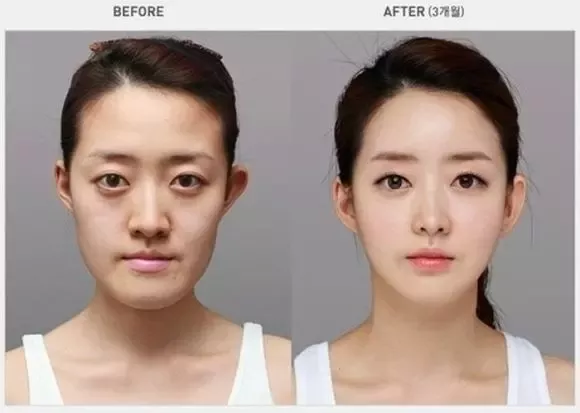
The article discusses the beauty standards in Japan, which are highly valued and influenced by traditional as well as Westernized ideals. Appearance is considered important in Japan, and there is pressure to conform to certain beauty standards from a young age. Cosmetics play a significant role in Japanese beauty culture, and beauty standards are also important in the workplace. Social media has had an impact on shaping beauty standards, and gender and age also play a role in these standards. The future of beauty standards in Japan is likely to be a mix of traditional and Westernized ideals with social media continuing to have an influence.