What do Japanese drink with meals?

What do Japanese drink with meals?

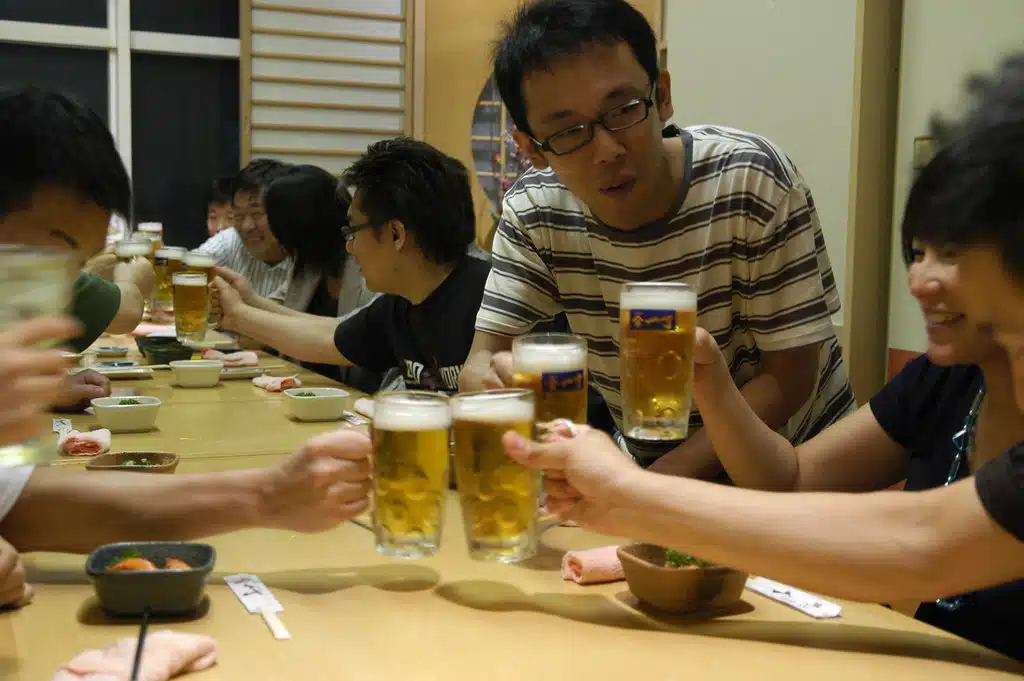
Japanese cuisine is known for its unique flavors and presentation, but the beverages accompanying meals are just as important as the food itself. Tea is the most popular drink in Japan and is consumed with almost every meal, followed by sake, beer, shochu, wine, coffee, soft drinks, matcha, milk, and iced tea. Japanese drinks have a significant cultural significance and are often chosen based on the season, the dish, and the occasion.
What is the national drink of Japan?

What is the national drink of Japan?

Sake, a fermented rice wine, is the national drink of Japan with a history dating back to the 3rd century. Sake production became more widespread over time and it became a popular drink at celebrations and festivals. The brewing process is complex and requires skill and expertise, resulting in several different types of sake with unique flavors and aromas. Traditionally served in small ceramic cups called ochoko, sake is often paired with Japanese cuisine, particularly sushi and sashimi. Sake has played an important role in Japanese culture for centuries and is often associated with celebrations and ceremonies. Despite declining demand in recent years, efforts are underway to modernize the industry and introduce new consumers to the joys of drinking sake.
What is the Japanese method of bathing?

What is the Japanese method of bathing?

This article explores the unique and essential aspect of Japanese bathing culture, which is not just about getting clean but also about relaxation, rejuvenation, and mindfulness. The history, types of baths, ritual of bathing, benefits, etiquette, products used, tourism, and environment are all discussed in-depth. Japanese bathing has become a significant tourist attraction in Japan and has several health benefits such as improving blood circulation and reducing stress. Additionally, it is mindful of the environment with many onsens using renewable energy sources to heat their water.
What Japanese say before start eating?

What Japanese say before start eating?

Japanese culture has a unique set of phrases that are said before meals to express gratitude and respect towards the food, family, and environment. The most common phrase is "itadakimasu," which represents humility and appreciation for the effort put into making the food. Saying these phrases is an essential part of Japanese dining etiquette and signifies values of gratitude, respect, and sustainability. Other cultures can benefit from adopting similar practices to promote gratitude towards food and create a sense of community during meals. Despite changes in society and culture, preserving these traditions can help connect people with their heritage and pass on important values to future generations.
Do Japanese people take baths together?

Do Japanese people take baths together?

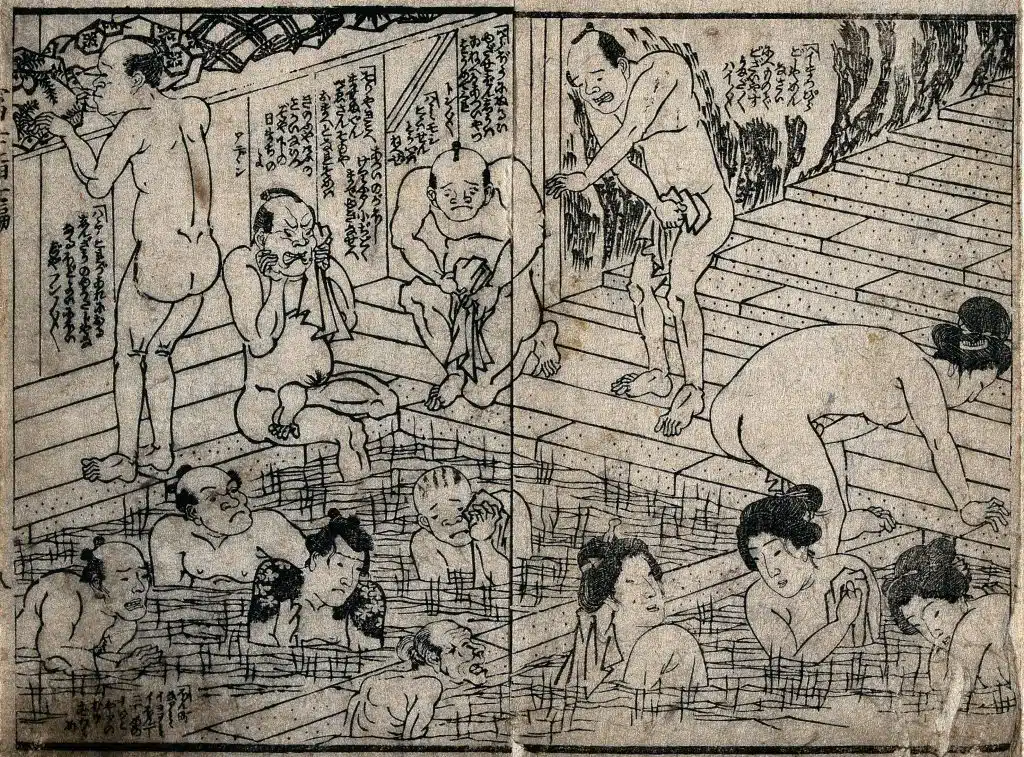
Japanese people do take baths together as part of their cultural practice, which promotes family bonding, friendship, and relaxation. Group bathing has a long history in Japan, with public baths being common in the past and private bathrooms becoming popular over time. Onsen culture, family bonding, and group bonding among friends are some reasons why Japanese people take baths together. While there are some controversies surrounding this practice, it remains an essential part of Japanese culture.
Do Japanese drink tea with every meal?

Do Japanese drink tea with every meal?

The article explores the history and culture of Japanese tea, including its various serving styles and health benefits. It clarifies that while tea is an essential part of Japanese society, it's not consumed with every meal. The article also discusses other popular beverages in Japan and how to make Japanese tea.
Why do Japanese bathe in hot water?

Why do Japanese bathe in hot water?

Japanese hot springs, or onsen, have a long history dating back to the 6th century and are deeply rooted in Japanese culture. Bathing in hot water is believed to offer physical and mental benefits, including improving blood circulation and relieving muscle tension. Onsen are particularly popular due to their therapeutic effects, which are said to alleviate symptoms such as joint pain, muscle fatigue, and skin conditions like eczema. Bathing is an important part of Japanese culture and is seen as a way of purifying both the body and mind. While bathing culture continues to evolve with new technologies and innovations being introduced, it is likely that the tradition of soaking in hot water will remain an important part of daily life in Japan.
What do Japanese do for hangover?

What do Japanese do for hangover?

Japanese people have developed an extensive range of hangover cures that are effective and easily accessible, from traditional remedies such as ginger and umeboshi to modern approaches such as sports drinks and medication. By staying hydrated, consuming nutritious foods, and engaging in relaxation techniques, it is possible to alleviate the symptoms of a hangover.
How do Japanese baths stay warm?

How do Japanese baths stay warm?

Japanese baths, or "ofuro," stay warm for long periods of time due to various methods, including the use of wood, hot stones, insulation, and covering the bath. Natural hot springs and recirculation systems can also help maintain a constant temperature. Regular maintenance and careful consideration of water temperature are important for keeping the bath warm. Some modern Japanese baths even use solar energy to keep the water warm.
What is Japanese drinking etiquette?

What is Japanese drinking etiquette?

Japanese drinking etiquette is deeply rooted in the country's culture and tradition. It is essential to follow these rules and customs, especially when drinking with superiors or colleagues. Pouring drinks for others, using honorific language, receiving drinks with both hands, avoiding getting drunk, and saying cheers are some of the important aspects of Japanese drinking etiquette. By following these rules, one can show respect for others and demonstrate an understanding of Japanese culture and tradition.