Why is the toilet in a separate room in Japan?

Why is the toilet in a separate room in Japan?

Japanese toilets are traditionally located in a separate room from the rest of the bathroom. This design is rooted in cultural norms surrounding privacy, hygiene, and efficiency. The separate toilet room allows for more flexibility in designing the rest of the bathroom and living space, as well as incorporating advanced features such as heated seats, bidet functions, and self-cleaning capabilities. It also reflects Japan's commitment to innovation and technological advancements. Understanding the cultural significance behind this design can help bridge cultural differences and promote understanding.
How common are mixed baths in Japan?

How common are mixed baths in Japan?

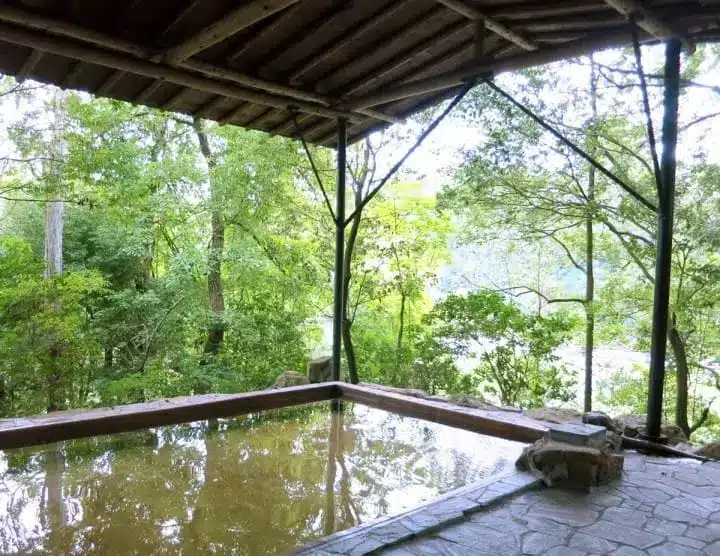
Mixed baths, also known as "onsen," have been a common practice in Japan for centuries. While they hold great cultural significance and are believed to have health benefits, they have also been a topic of controversy in recent years due to concerns about sexual harassment. Many hot springs have banned mixed bathing altogether, but some still allow it. Proper etiquette should be followed if participating in mixed bathing, and there are alternatives available such as gender-segregated baths or private baths that can be reserved. The future of mixed baths in Japan remains uncertain as attitudes continue to evolve.
What is a Japanese public bath?

What is a Japanese public bath?

Japanese public bath, or "sento," is a cultural institution that originated in the 6th century and provides relaxation, socialization, and health benefits. The design of a sento varies but typically includes at least two baths, locker rooms, changing areas, and restrooms. Visitors must follow specific etiquettes such as removing shoes before entering the changing room and washing themselves thoroughly before entering the bath. Sento faces challenges due to the rise of individual bathtubs and showers in Japanese homes and maintenance costs. However, if you plan to visit a sento, research beforehand, bring your own toiletries, and be respectful of others.
Are Japanese bathhouses sanitary?

Are Japanese bathhouses sanitary?

Japanese bathhouses, known as "onsen," have a long history in Japanese culture and are renowned for their relaxing atmosphere and therapeutic benefits. Despite concerns about cleanliness, there are strict regulations in place to maintain hygiene standards, and patrons are expected to follow proper hygiene practices. Onsen staff play a vital role in ensuring cleanliness, and many people of all ages enjoy the experience. As Japan modernizes, traditional onsen faces new challenges, but there is still a strong appreciation for the cultural significance of bathhouses in Japan.
Do Japanese have toilet paper?

Do Japanese have toilet paper?

Contrary to popular belief, toilet paper is widely used in Japan along with other modern bathroom technologies such as washlets and bidets. However, there are still cultural differences when it comes to bathroom etiquette, such as wrapping used toilet paper in a separate bag before throwing it away. Japan has been promoting sustainability by encouraging the use of eco-friendly toilet paper and reducing wastefulness. The COVID-19 pandemic has brought attention to the importance of proper hygiene practices, leading to a surge in demand for bidets and washlets. With the rise of smart homes and the Internet of Things (IoT), it is likely that we will see even more advanced bathroom technology in the future.
What do Japanese use for toilet paper?

What do Japanese use for toilet paper?

Japanese people use a variety of toilet paper options including standard white toilet paper, moist toilet wipes, and bidets/washlets. Hygiene and cleanliness are important cultural values in Japan, which is why many people prefer bidets or washlets over traditional toilet paper. With the rise of environmental awareness, more eco-friendly options are becoming available as well. It's important to be aware of the different toilet options available and proper etiquette when visiting or living in Japan.

Is it rude to burp after a meal in Japan?

Burping after a meal is generally considered impolite in Japan, where dining etiquette is built around the concept of mutual understanding and consideration for others. Respect for the food, the host, and other guests is paramount in Japanese culture. While there are exceptions to this rule, such as in some traditional Japanese restaurants that serve ramen or other noodle dishes where burping is encouraged as it is believed to enhance the flavor of the food, it is best to avoid burping loudly after a meal. Other essential Japanese dining etiquette rules include not leaving food on your plate, not talking with your mouth full, and not using your fingers to eat unless it is explicitly encouraged.
Can you wear leggings in Japan?

Can you wear leggings in Japan?

The appropriateness of wearing leggings in Japan depends on various factors, including cultural expectations, dress codes, climate, activities, fashion trends, clothing materials, color and pattern, footwear, and personal style. While leggings may not be considered traditional attire in Japan due to the strong emphasis on modesty and respect for others, fashion trends are constantly evolving. It's always a good idea to research current fashion trends before traveling to Japan and being respectful of cultural norms while traveling. If leggings are not considered appropriate for the occasion or activity, there are many other clothing options to choose from. Ultimately, what you wear is a personal choice that should also take into account comfort and confidence.
Do Japanese take a bath in the evening?

Do Japanese take a bath in the evening?

Bathing is an important part of Japanese culture, with a preference for evening baths due to their perceived benefits for promoting better sleep and relaxation after a long day. However, some people choose to bathe in the morning for practical reasons or personal preference. Bathing etiquette in Japan includes washing thoroughly before entering the bath and sitting on a small stool while washing. Onsen, or hot springs, are also an important part of Japanese bathing culture. While bathing has many personal benefits, it also has an environmental impact in terms of water and energy use. Regardless of when you choose to bathe, prioritizing self-care and relaxation is important for good health and wellbeing.
Why do Japanese people shower together?

Why do Japanese people shower together?

Communal bathing is a traditional practice in Japan that dates back to ancient times when hot springs were used for relaxation and healing. The practice has become an integral part of Japanese culture and is seen as a way to save space, socialize, maintain hygiene, preserve cultural traditions, relax, promote health benefits, follow etiquette rules, create shared experiences and memories, strengthen community bonds, and provide a unique cultural experience for tourists. Communal bathing is not a sexual experience as men and women bathe separately in public bathhouses.