Why do Japanese people share bathwater?

Why do Japanese people share bathwater?

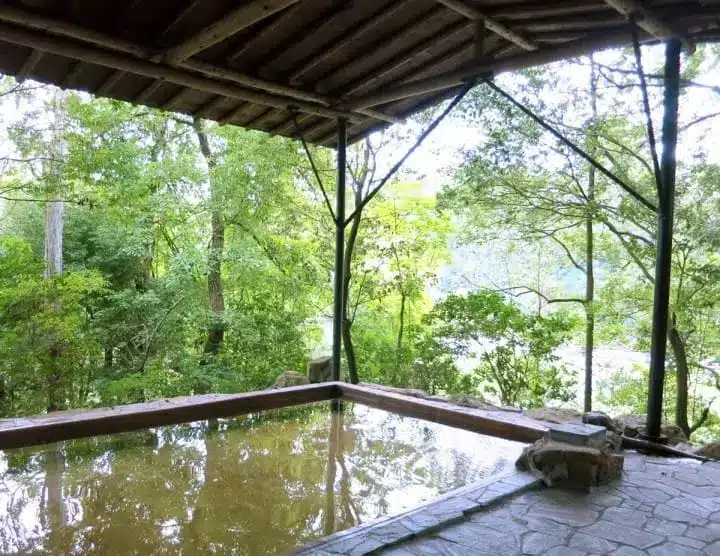
Sharing bathwater is a common practice in Japan, with several cultural, environmental, and social reasons behind it. Bathing has deep cultural significance in Japan, and sharing bathwater promotes conservation, saves money on hot water usage, promotes family bonding, demonstrates respect for others, and offers health benefits. There are customs and etiquette rules associated with the practice, which is also a popular part of the onsen experience and community bathhouses. While some Japanese people have adopted individual showers in recent years due to Western influence, many still value the tradition of sharing bathwater.
Why do Japanese nod so much?

Why do Japanese nod so much?

The article explores the nodding culture in Japan, delving into its history, meaning, and social significance. Nodding is seen as a sign of politeness and respect in Japanese culture and is used to show agreement or understanding during conversations and meetings. There are different types of nods, including the single nod, double nod, and slow nod. Nonverbal cues are just as important as verbal ones in Japanese communication, with nods being one of the many nonverbal cues used to convey meaning and emotion. Confucianism has had a significant impact on Japanese culture, with its teachings reflected in the nodding tradition. Gender also plays a role in the nodding culture of Japan, with women often expected to nod more frequently than men. The timing of nods is crucial in Japanese communication, with context also playing an important role in interpreting nods. As Japan becomes more globalized, its nodding culture may begin to change.
Do Japanese wash each others backs?

Do Japanese wash each others backs?

The tradition of communal bathing in Japan still exists, and it is common to see people washing each other's backs in public baths. However, the practice has become less common in everyday life as homes became more private. Today, some families or close friend groups may wash each other's backs as a sign of intimacy and trust, and there are professional bath attendants who may do so as part of their service. It is important to note that not all Japanese people engage in this practice, and it varies depending on individual preferences and cultural backgrounds. Gender also plays a role, as men and women usually bathe separately in public baths. Overall, communal bathing remains an important part of Japan's culture and history.
Why is the toilet in a separate room in Japan?

Why is the toilet in a separate room in Japan?

Japanese toilets are traditionally located in a separate room from the rest of the bathroom. This design is rooted in cultural norms surrounding privacy, hygiene, and efficiency. The separate toilet room allows for more flexibility in designing the rest of the bathroom and living space, as well as incorporating advanced features such as heated seats, bidet functions, and self-cleaning capabilities. It also reflects Japan's commitment to innovation and technological advancements. Understanding the cultural significance behind this design can help bridge cultural differences and promote understanding.
How common are mixed baths in Japan?

How common are mixed baths in Japan?

Mixed baths, also known as "onsen," have been a common practice in Japan for centuries. While they hold great cultural significance and are believed to have health benefits, they have also been a topic of controversy in recent years due to concerns about sexual harassment. Many hot springs have banned mixed bathing altogether, but some still allow it. Proper etiquette should be followed if participating in mixed bathing, and there are alternatives available such as gender-segregated baths or private baths that can be reserved. The future of mixed baths in Japan remains uncertain as attitudes continue to evolve.
What is a Japanese public bath?

What is a Japanese public bath?

Japanese public bath, or "sento," is a cultural institution that originated in the 6th century and provides relaxation, socialization, and health benefits. The design of a sento varies but typically includes at least two baths, locker rooms, changing areas, and restrooms. Visitors must follow specific etiquettes such as removing shoes before entering the changing room and washing themselves thoroughly before entering the bath. Sento faces challenges due to the rise of individual bathtubs and showers in Japanese homes and maintenance costs. However, if you plan to visit a sento, research beforehand, bring your own toiletries, and be respectful of others.
Are Japanese bathhouses sanitary?

Are Japanese bathhouses sanitary?

Japanese bathhouses, known as "onsen," have a long history in Japanese culture and are renowned for their relaxing atmosphere and therapeutic benefits. Despite concerns about cleanliness, there are strict regulations in place to maintain hygiene standards, and patrons are expected to follow proper hygiene practices. Onsen staff play a vital role in ensuring cleanliness, and many people of all ages enjoy the experience. As Japan modernizes, traditional onsen faces new challenges, but there is still a strong appreciation for the cultural significance of bathhouses in Japan.
Do Japanese have toilet paper?

Do Japanese have toilet paper?

Contrary to popular belief, toilet paper is widely used in Japan along with other modern bathroom technologies such as washlets and bidets. However, there are still cultural differences when it comes to bathroom etiquette, such as wrapping used toilet paper in a separate bag before throwing it away. Japan has been promoting sustainability by encouraging the use of eco-friendly toilet paper and reducing wastefulness. The COVID-19 pandemic has brought attention to the importance of proper hygiene practices, leading to a surge in demand for bidets and washlets. With the rise of smart homes and the Internet of Things (IoT), it is likely that we will see even more advanced bathroom technology in the future.
What do Japanese use for toilet paper?

What do Japanese use for toilet paper?

Japanese people use a variety of toilet paper options including standard white toilet paper, moist toilet wipes, and bidets/washlets. Hygiene and cleanliness are important cultural values in Japan, which is why many people prefer bidets or washlets over traditional toilet paper. With the rise of environmental awareness, more eco-friendly options are becoming available as well. It's important to be aware of the different toilet options available and proper etiquette when visiting or living in Japan.
What is a lucky flower in Japan?

What is a lucky flower in Japan?

The article explores the concept of lucky flowers in Japan and their significance. It lists several popular lucky flowers, including the cherry blossom, chrysanthemum, lotus, camellia, peony, iris, plum blossom, wisteria, narcissus, and sunflower. Each flower has its unique symbolism and meaning and is often used in traditional Japanese art and literature. Whether one is looking for good luck, prosperity, or happiness, there is a lucky flower in Japan that can help achieve their goals.