Introduction
Japanese public bath, known as “sento,” is an integral part of Japanese culture that originated in the 6th century. Sento houses a communal bath, where people from all walks of life come together to unwind and relax. It is not only a place to clean oneself or soak in hot water, but it is also a social hub where people meet and chat. In this article, we will dive into the deep end of Japanese public baths and explore their cultural significance.
History of Japanese Public Bath
To understand the cultural significance of the sento, it’s important to know its history. The first public bathhouse was established in Japan in the 6th century, called “mizuburo.” During the Edo period (1603-1868), public baths became popular among the common people, and various types of sento were developed. The sento played a crucial role in Japanese society as it was one of the few places where people could relax and unwind after a hard day’s work.
Design of Japanese Public Bath
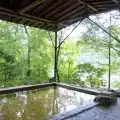
The design of the Japanese public bath varies from place to place, but some common features are shared. Most sento has at least two baths – one for washing and one for soaking. There is also a cold plunge pool or shower, and some sento have outdoor baths or saunas. The sento is divided into male and female sections and has locker rooms, changing areas, and restrooms. The interior design of the sento is often traditional, with wooden floors and walls.
Etiquette of Japanese Public Bath
There are specific etiquettes that must be followed when visiting a Japanese public bath. Firstly, you must remove your shoes before entering the changing room. You will be provided with a small towel that you can use to cover your private parts. Before entering the bath, you must wash yourself thoroughly using a small stool and bucket provided. Once you enter the bath, it’s important to keep quiet and not disturb others.
No products found.
Cultural Significance of Japanese Public Bath
Japanese public bath holds great cultural significance in Japan. It is considered a place of relaxation, and many people visit sento after work or on weekends to unwind. The sento is also a social hub where people come together to chat and spend time with family and friends. Moreover, the sento has been featured in various Japanese literature, films, and art.
Health Benefits of Japanese Public Bath
Japanese public baths have numerous health benefits. The hot water in the sento helps improve circulation, reduce stress, and alleviate muscle pain. The steam from the bath also helps open up pores and clear the respiratory system. Many people visit sento for its health benefits.
Types of Japanese Public Bath
There are various types of Japanese public baths available. The most common type is a traditional sento, which is usually located in residential areas. Another popular type is an onsen, which is a natural hot spring bath that is often located in scenic areas like mountains or by the sea. There are also super-sento or mega-sento, which are large-scale public baths that offer additional amenities like restaurants and massage services.
Rituals Associated with Japanese Public Bath
There are certain rituals associated with visiting a Japanese public bath. One such ritual is “kakeyu,” where you pour water over your head before entering the bath to regulate your body temperature. Another ritual is “mizuburoiri,” where you pour water over your body before leaving the bath to avoid dripping water.
Challenges Facing Japanese Public Bath
Despite its cultural significance, Japanese public baths are facing challenges. With the rise of individual bathtubs and showers in Japanese homes, fewer people are visiting the sento. Moreover, many sento owners are struggling to keep up with maintenance costs and attract new customers.
No products found.
How to Enjoy Japanese Public Bath
If you’re planning to visit a Japanese public bath, here are some tips to make your experience more enjoyable. Firstly, research the sento beforehand and check their website for their rules and regulations. Secondly, bring your own toiletries, including shampoo, soap, and a small towel. Lastly, be respectful of others by keeping quiet and following the etiquettes.
Conclusion
Japanese public bath, also known as sento, is an integral part of Japanese culture that offers a place of relaxation, socialization, and health benefits. Despite its challenges, the sento remains an important part of Japanese society that has been featured in various literature, films, and art. If you’re ever in Japan, don’t forget to visit a sento and experience its cultural significance firsthand.
References
– “The Culture of Sento.” Sento Association. Accessed 18 August 2021.
– “History of Sento.” Sento Association. Accessed 18 August 2021.
– “Sento Etiquette.” Japan Experience. Accessed 18 August 2021.
– “Types of Sento.” Japan Travel. Accessed 18 August 2021.
– “10 Tips for Visiting a Japanese Bathhouse (Sento).” Matcha Japan Travel Magazine. Accessed 18 August 2021.
What do you wear in a Japanese public bath?
When visiting an onsen, it is important to remember that clothing, swimwear, towels, and even underwear are not allowed to touch the water. Only your clean, naked body should be immersed in the hot springs.
What to expect in a Japanese bathhouse?
Japanese baths often have added amenities such as saunas, massage chairs, and vending machines for snacks and drinks. Some may offer additional services such as massages, restaurants, and even overnight accommodations. A cost-effective way to stay the night in Japan is by sleeping in a reclining chair or tatami rest room at a bathhouse that is open 24 hours.
How does a Japanese bath work?
In Japan, taking a bath at home is similar to using a public hot spring or bath. The proper method involves rinsing your body before entering the tub, which is only used for soaking. This is done either with a shower or a washbowl.
Do you wear clothes in an onsen?
It is not permitted to wear clothes or bathing suits in the onsen bathing areas as they are considered sacred places that require cleanliness. Wearing clothes or bathing suits may introduce dirt and soap into the hot spring waters from outside, which is considered unhygienic.
Do you shower after onsen?
After bathing in an onsen, it is advised to not shower in order to maintain the minerals’ therapeutic benefits. However, it is suggested to take a brief cold bath or shower after leaving the onsen to promote good health.
What do people do at bathhouse?
Bathhouses often offer various products for sale, including food and drinks, cigarettes, pornography, sex toys, lubricants, and toiletries. Additionally, some bathhouses offer non-sexual services like massage and reflexology.
One of the unique features of Japanese public baths is that they are not just places for individuals to relax, but they also serve as community gathering spaces. In some neighborhoods, the local sento may be the only place where neighbors can connect and catch up with each other. For this reason, many sento owners make an effort to create a welcoming atmosphere that encourages conversation and socialization.
Another interesting aspect of Japanese public baths is their connection to seasonal traditions. Some sento offer special baths during certain times of the year, such as yuzu baths in winter or sakura baths in spring. These baths often incorporate natural elements that are believed to have health benefits, such as citrus fruit or cherry blossom petals.
For those interested in experiencing the traditional Japanese bath culture in a modern setting, there are several luxury sento options available. These upscale public baths offer additional amenities such as massage services, beauty treatments, and high-end dining options. Many of these super-sento are located in urban areas and are designed to be relaxing escapes from the hustle and bustle of city life.
Despite the challenges facing Japanese public baths today, there are efforts underway to preserve this important cultural institution. Some local governments offer subsidies to sento owners to help with maintenance costs, while others are working to promote sento tourism by creating maps and guides for visitors. By supporting Japanese public baths, we can ensure that this unique aspect of Japanese culture continues to thrive for generations to come.