


How can I improve my manga face drawing skills?
Drawing a manga face can be an exciting and rewarding venture for both amateur and seasoned artists. Manga art, originating from Japan, is distinguished by its unique aesthetic, expressive characters, and dynamic facial expressions. If you’re wondering how to draw a manga face, this guide will provide you with essential techniques, tips, and insights to help you create stunning manga characters.
Understanding Manga Face Proportions
When considering how to draw a manga face, one of the first steps is understanding the unique proportions that set manga characters apart from realistic portraits. Manga faces are often characterized by exaggerated features, which are crucial to convey emotions effectively.
Face Shapes and Structure
The first step in learning how to draw a manga face is outlining the basic shape of the head. Manga characters typically feature a variety of head shapes. Here are the most common:
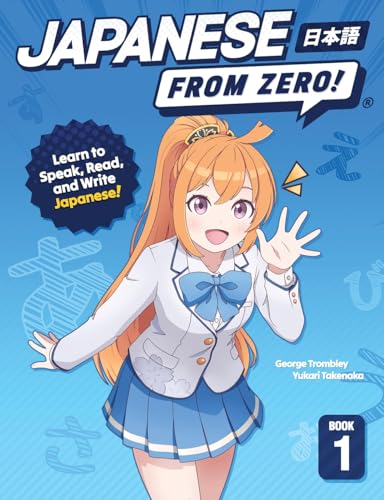
- Used Book in Good Condition
- George Trombley (Author)
- English (Publication Language)
- 376 Pages - 08/22/2014 (Publication Date) - Learn From Zero (Publisher)
| Face Shape | Description |
|———————|—————————————————————————————————–|
| Oval | Soft curves suitable for cute characters. |
| Heart | A broader forehead tapering down to a narrow chin, often used for female characters. |
| Square | A strong jawline giving a robust appearance, commonly used for male characters. |
Steps to draw the head shape:
- Start by sketching a circle for the top of the head.
- Add a chin at the bottom to shape the face.
- Refine the circle into the desired face shape using smooth, gentle lines.
Eye Placement and Styles
Eyes are one of the most expressive features in manga art. Learning how to draw a manga face involves mastering different eye shapes and placements:
- Used Book in Good Condition
- George Trombley (Author)
- English (Publication Language)
- 376 Pages - 08/22/2014 (Publication Date) - Learn From Zero (Publisher)
- Large Eyes: Many manga styles emphasize larger eyes that convey innocence and emotion.
- Narrow Eyes: Often used for more adult or serious characters, narrow eyes can provide a feeling of intensity.
Eye Placement Tips:
- The eyes are usually positioned at the halfway point of the head.
- The distance between the eyes is typically one eye’s width apart, but this can vary based on the character’s design.
Nose and Mouth Design
The nose and mouth of manga characters can range from simplistic to detailed, depending on the style:
- Simple Nose: A small dot or a few lines might suffice for younger characters.
- Detailed Nose: More mature characters can have well-defined noses, often illustrated with shading.
Mouth styles can include:
- A small line for shy or reserved characters.
- An open mouth for expressive scenes, adding curves to represent smile or surprise.
Creating Expressions in Manga Faces
To truly understand how to draw a manga face, mastering facial expressions is paramount. Manga art excels in conveying emotions vividly.
Happy and Sad Expressions
- Happy Face: Eyebrows raised, eyes slightly squinted, and a wide smile with pronounced cheeks.
- Sad Face: Droopy eyes, downturned mouth, and slanted eyebrows giving an overall sense of gloom.
Angry and Surprised Expressions
- Angry Face: Hard eyebrows, sharp lines for the mouth, and intensity in the eyes to display fury.
- Surprised Face: Wide-open eyes, raised eyebrows, and a small ‘o’ shape for the mouth to depict shock.
Practice Drawing Expressions
Engaging in practice sketches can help in developing your skills. Create a series of small sketches showcasing different expressions until you feel confident.
Adding Hair Styles to Manga Faces
Hair can significantly impact the character’s identity. From long flowing locks to spiky styles, hair in manga can mirror the character’s personality.
Common Styles
- Short Hair: Often associated with energetic characters.
- Long Hair: Can symbolize beauty or serenity.
Hair Placement Tips
- Follow the natural shape of the head when drawing hair.
- Use flowing lines to connect hair strands to the scalp.
- Include highlights to add depth and dimension.
Shading and Rendering Techniques
Incorporating shading enhances the three-dimensional look of your manga face. Different techniques can be employed to create the desired visual effect.
Basic Shading Techniques
- Cross-Hatching: Using a series of lines to provide texture and depth.
- Gradient Shading: Smooth transitions from dark to light to show curvature on the face.
Rendering the Final Touches
- Add highlights to the eyes to create a lively look.
- Use darker tones around the edges of the face to emphasize features.
Tools and Materials for Drawing Manga Faces
Choosing the right tools can significantly enhance your drawing experience. Below is a brief overview of recommended materials for drawing manga faces.
| Tool Type | Recommended Use |
|———————|—————————————————————————————————–|
| Mechanical Pencils | Perfect for creating fine lines and details. |
| Fine-liner Pens | Great for inking over pencil sketches, providing sharp lines. |
| Markers | Useful for shading and adding vibrant colors. |
| Watercolor Pencils | Ideal for blending and watercolor effects for soft illustrations. |
Finalizing Your Manga Face Drawings
As you work on your manga face, periodically step back to analyze your composition. It helps to get feedback from fellow artists or even use online communities for constructive critique.
Reviewing and Improving
- Take your time in refining facial features.
- Continuously explore different styles and techniques to diversify your portfolio.
- Create a character sheet that outlines different expressions, angles, and hair variations.
Conclusion
Now that you know how to draw a manga face, remember that practice is essential. Keep refining your techniques, explore new styles, and don’t hesitate to experiment with different expressions. The beauty of manga art lies in its versatility and expressiveness. For further reference and to deepen your understanding of manga, consider visiting resources like Manga Jam and Learn Manga. Happy drawing, and enjoy the creative process!

