

How do you sketch anime hands in different poses?
How to draw anime hands? This is a question many aspiring artists ask as they embark on their journey to create captivating anime characters. Anime hands play a crucial role in conveying emotion, action, and personality. Mastering the art of drawing anime hands can significantly enhance your character design skills and bring your characters to life. In this comprehensive guide, we will explore various techniques, tips, and tricks on how to draw anime hands.
Understanding the Anatomy of Anime Hands
To effectively learn how to draw anime hands, it’s essential to grasp the fundamental anatomy. Anime hands may look stylized, but a solid understanding of human hand structure will provide a strong foundation for your drawings.
Basic Structure of a Hand
- Fingers: Human hands typically have five fingers, which can be divided into sections:
No products found.
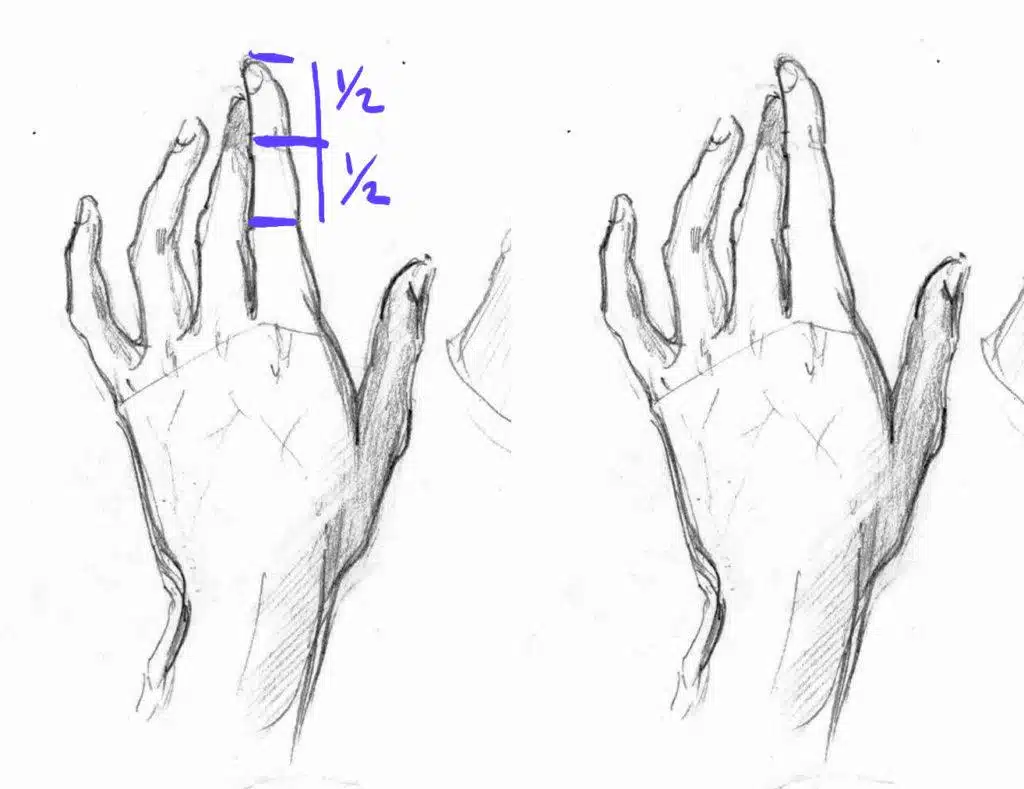
– Phalanges: Each finger comprises three segments (except for the thumb, which has two).
– Joints: The points where the fingers bend.
- Palm: The palm is the central part of the hand, supporting the fingers and acting as a base for various poses.
- Wrist: The wrist connects the hand to the arm and allows for a significant range of movement.
Proportional Guidelines
When creating anime hands, maintaining proper proportions is vital for achieving a realistic look, even in stylized formats. Here’s a simple guide:
No products found.
- Finger Length: The middle finger should be the longest, followed by the ring finger, index finger, and pinky. The thumb should be approximately the same length as the index finger when extended.
- Palm Size: The width of the palm is usually about the same size as the length of the fingers.
- Alignment: Fingers should curve naturally and align with the wrist position.
Practicing Basic Hand Shapes
One effective way to improve your skills in how to draw anime hands is to practice sketching basic hand shapes. This technique helps familiarize yourself with angles, contours, and gestures.
Gesture Drawing Techniques
Gesture drawing focuses on capturing the essence of a hand quickly. When practicing:
- Spend 30 seconds to 1 minute on each sketch.
- Focus on the flow and energy rather than details.
- Use a pencil to lightly outline, as the intention is to refine later.
Hand Pose Reference
Here are some common hand poses you should practice:
| Pose | Description |
| Open Hand | A relaxed, open hand position, showing all fingers. Great for depicting peace or surrender. |
| Fist | A closed fist pose, often signifying power or determination. |
| Pointing Hand | A hand pointing forward, ideal for directing attention. |
| Hand on Hip | A casual pose displaying attitude. The hand typically rests on the hip with an elbow bent. |
Developing Hand Expressions and Emotions
Hands can convey a plethora of emotions and expressions. Understanding how to express feelings through hand gestures is paramount in character design.
Emotional Representations
Different hand positions can evoke various emotions:
- Anger: A clenched fist symbolizes frustration or aggression.
- Happiness: Open hands with fingers spread wide convey joy and excitement.
- Sadness: Hands that are clasped together or covering the face suggest sorrow or contemplation.
Dynamic Gestures
When creating dynamic characters, use exaggerated hand gestures to accentuate motion and emotion:
- Action Scenes: Hands should be drawn in a way that shows energy and movement, like reaching out or pushing forward.
- Soft Scenes: Gentle hand movements can communicate tenderness and affection.
Constructing Hands for Different Angles
Learning how to draw anime hands from various angles is crucial for dynamic illustrations. Here’s a breakdown of how to approach different perspectives.
Front View
When drawing hands from the front, consider the following:
- Fingers: They should be drawn tapering towards the tips, with visible segments and joints.
- Palm: The palm should be slightly curved, reflecting natural hand positioning.
- Wrist: A realistic wrist connection is vital for maintaining a natural appearance.
Side View
For a side view of the hand:
- Outline: Capture the thumb’s outward curve while ensuring the fingers are appropriately staggered.
- Shadowing: Use shading to emphasize depth, making the hand appear three-dimensional.
3/4 View
The 3/4 view helps create depth and dimension:
- Use overlapping lines to depict the fingers and knuckles, enhancing the realism.
- Practice this angle by rotating your own hand to see how the structure changes.
Adding Details and Styles
Once you have a solid understanding of the basics, adding personal style and details can transform your work.
Stylization Techniques
Anime often features stylized hands:
- Simplified Shapes: Use basic geometric shapes to construct fingers and palms without intricate detail.
- Exaggerated Features: Play with proportions—long fingers or oversized gloves can enhance character design.
- Omissive Detail: Sometimes, a less-detailed approach can effectively convey emotion or action.
Finger Accessories
Including details like rings, bracelets, or nail polish can add personality to your characters. Remember to maintain consistency with your art style.
Utilizing Digital Tools for Hand Drawing
Many artists now use digital platforms for drawing, which offer various tools for enhancing hand-drawing techniques.
Essential Software
- Photoshop: Offers a range of brushes and tools suitable for detailed artwork.
- Clip Studio Paint: This software is popular among manga artists for its capabilities in dealing with character creation.
- Procreate: A great app for iPad users, providing an intuitive interface for hand-drawing.
Digital Techniques
- Layers: Utilize multiple layers to separate different elements of your hand drawing.
- Stabilization: Use brush stabilization features to produce smoother lines, increasing control during sketches.
Conclusion and Continued Practice
understanding how to draw anime hands is crucial for any aspiring artist. With a firm grasp of anatomy, practicing various poses, and learning to convey emotion, your skills will steadily improve. Regular practice, alongside the incorporation of personal styles and digital tools, will elevate your hand-drawing techniques. Keep refining your skills, and you’ll develop a strong command over how to draw anime hands that resonate with your audience.
For further reading on character design and anime anatomy, consider visiting ArtStation and DeviantArt for various techniques and community insights. Happy drawing!

