

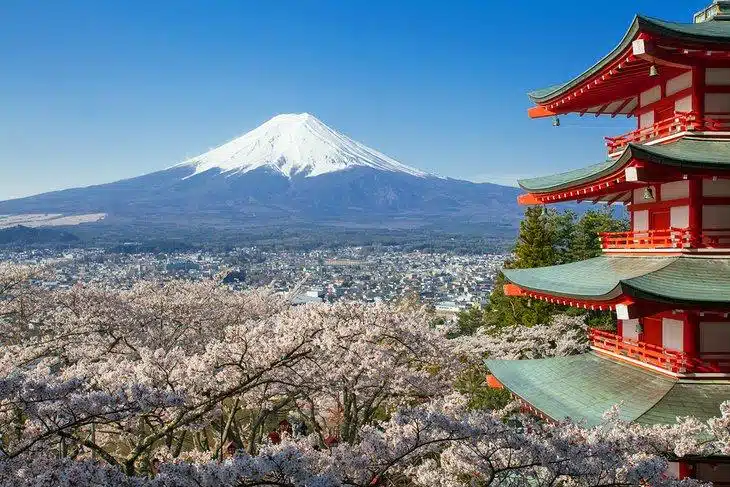
– How long does it take to get from Tokyo to Mount Fuji by train?
Getting from Tokyo to Fuji is a journey many travelers experience when exploring the beauty of Japan. Mount Fuji, renowned for its iconic shape and cultural significance, attracts countless tourists each year. Understanding how to navigate this trip will enhance your overall experience and allow you to enjoy Japan’s stunning scenery.
Travel Options from Tokyo to Fuji
When exploring how to get from Tokyo to Fuji, several transportation options are available, each catering to different preferences, times, and budgets. Below are the most popular methods you can choose from:
No products found.
Train Travel to Mount Fuji
One of the most efficient ways to reach Fuji from Tokyo is by train. The efficient Japanese railway system offers various routes that provide access to iconic views and comfortable travel experiences.
- Shinkansen (Bullet Train):
The fastest option is the Shinkansen from Tokyo to Mishima Station or Shin-Fuji Station. The journey takes approximately 1-1.5 hours. Here’s how you can do it:
1. Board the Tokaido Shinkansen from Tokyo Station (Hikari and Kodama services).
2. Disembark at Mishima Station.
3. Transfer to the Fujikyu Railway line to reach Gotemba, which provides access to Mount Fuji.
No products found.
- Express and Local Trains:
If you’re looking for a budget-friendly option, local trains are available. From Shinjuku Station, take the JR Chuo Line to Otsuki Station and transfer to the Fujikyu Railway. This journey may take around 2-3 hours, but it offers a more scenic route.
Travel Table: Train Options from Tokyo to Fuji
| Transport Method | Duration | Cost |
|---|---|---|
| Shinkansen (Bullet Train) | 1-1.5 hours | ¥10,500 (approx.) |
| Local Train | 2-3 hours | ¥2,300 (approx.) |
Bus Travel to Mount Fuji
For those who prefer direct routes without transfers, bus travel is an appealing option. Buses operate daily from various locations in Tokyo, including Shinjuku Station and Tokyo Station.
- Express Buses:
The Fuji Express Bus is one of the most straightforward options. The buses depart from Shinjuku and Tokyo Station, taking about 2-2.5 hours to reach the Fuji Five Lakes area or Gotemba. This method is usually more affordable than trains, typically costing around ¥2,000-¥3,000 one-way.
- Key Departure Points:
– Shinjuku Station: Offers several departures daily, particularly suited for direct access to the Fuji area.
– Tokyo Station: An alternative for those wanting to start their journey from the heart of Tokyo.
Car Rental for Flexible Travel
If you prefer a personalized travel experience, consider renting a car to explore how to get from Tokyo to Fuji. This option provides ultimate flexibility for those wanting to discover attractions along the way or take scenic routes.
- Renting a Car:
Various international and Japanese rental companies operate in Tokyo. Ensure you have an International Driving Permit (IDP) to drive in Japan.
- Route Suggestions:
The most popular route is via the Chuo Expressway, which offers beautiful views of the countryside and direct access to Mount Fuji.
Driving Table: Key Points for Renting a Car
| Consideration | Details |
|---|---|
| Rental Cost | ¥7,500-¥12,000 per day (approx.) |
| Parking Availability | Available at major attractions |
Tour Packages for Convenience
An alternative option for travelers who want a hassle-free journey is to book a tour package. Several travel companies offer day trips from Tokyo to Fuji, combining transportation and guided experiences.
- Tour Highlights:
– Visits to iconic spots like Hakone, Lake Kawaguchi, and numerous viewpoints.
– Opportunities for photographs and cultural experiences, such as temple visits or traditional meals.
- Typical Tour Costs:
Expect to pay between ¥10,000-¥20,000, depending on the itinerary and included services.
Planning Your Trip: Timing and Seasonal Considerations
When considering how to get from Tokyo to Fuji, it’s important to think about the timing of your visit. Mount Fuji experiences different seasons, each offering unique scenery and experiences.
- Spring (March to May):
Cherry blossoms bloom, and mild weather allows for pleasant hiking and sightseeing opportunities. Ideal for photography and outdoor activities.
- Summer (June to August):
Hiking season begins. However, it’s also peak tourist season, meaning busier trails and accommodation rates. Plan well in advance.
- Autumn (September to November):
The foliage changes colors, providing breathtaking views. Weather is typically mild, making it an excellent time for hiking and photography.
- Winter (December to February):
Snow caps the mountain, offering winter sports opportunities and stunning views, though access may be limited due to snow.
Conclusion: Maximizing Your Experience at Mount Fuji
understanding how to get from Tokyo to Fuji involves exploring various transportation methods, each offering distinct advantages and experiences. Whether you opt for the efficient train system, the directness of buses, the flexibility of car rentals, or the ease of tour packages, planning your journey carefully will enhance your visit.
By considering travel options, timing, and local attractions, you can create a memorable trip that highlights the beauty and cultural significance of Mount Fuji.
For more detailed planning and insights concerning travel to Japan, you can explore the official Japan National Tourism Organization website at blank”>Japan National Tourism Organization or check local transportation options at

