

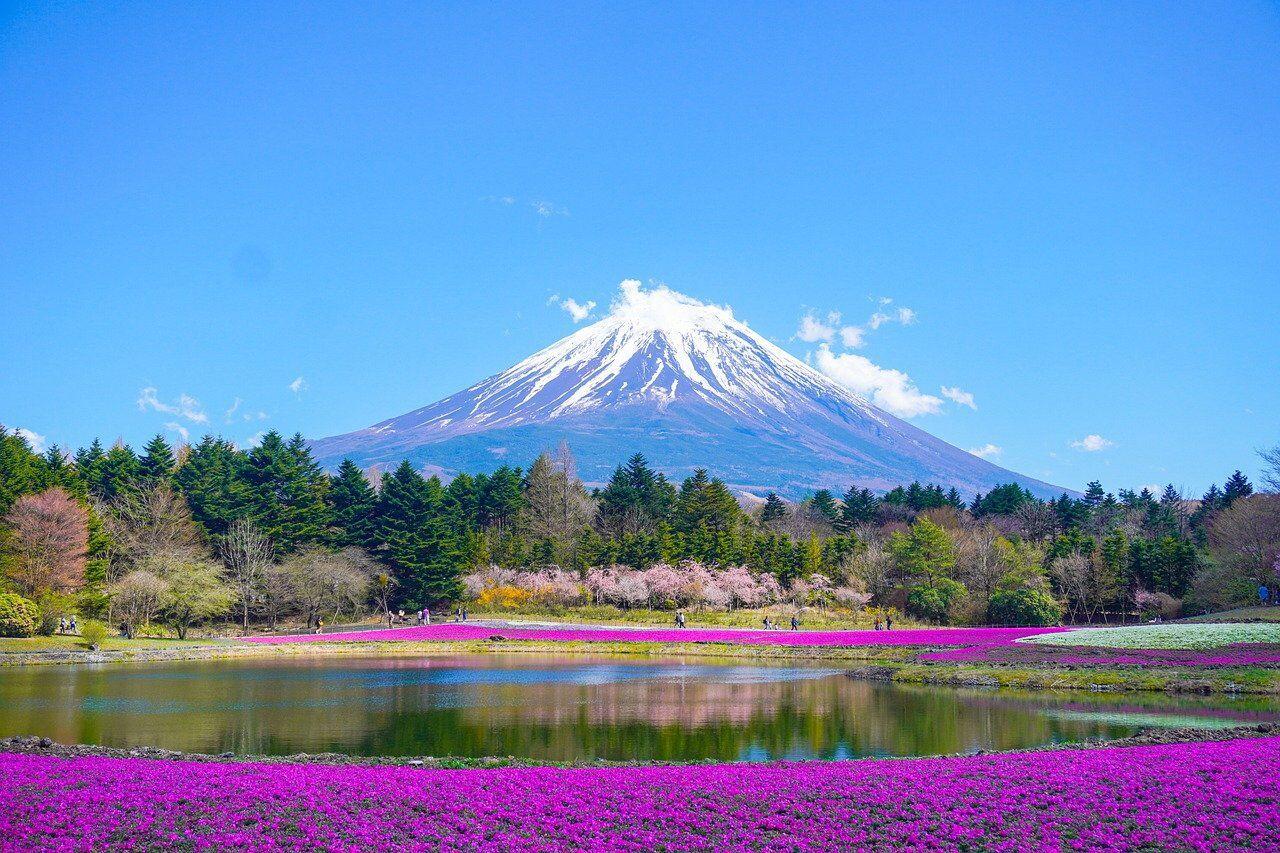
What time of year is best to view Mount Fuji from Tokyo?
Seeing the iconic Mount Fuji from Tokyo is a thrilling experience that captures the essence of Japan’s natural beauty. This magnificent mountain, standing at 3,776 meters, is not only a UNESCO World Heritage Site but also a symbol of Japan. Understanding how to see Mt. Fuji from Tokyo can greatly enhance your travel experience, allowing you to enjoy breathtaking views and appreciate the cultural significance behind this stunning landmark.
Understanding the Best Viewing Options for Mount Fuji from Tokyo
When planning your trip, it’s essential to know the various ways to catch a glimpse of Mount Fuji from Tokyo. Each option offers a unique perspective, whether from famous viewpoints, observation decks, or on a day trip. Here, we will explore some of the best methods to see Mount Fuji from Tokyo, ensuring you have multiple avenues to witness this iconic sight.
Key Viewing Locations in Tokyo
Tokyo SkyTree
Tokyo SkyTree is not only the tallest structure in Japan but also one of the most popular places to view Mount Fuji. At 634 meters high, the observation deck offers expansive views of the city skyline along with a clear sight of Mount Fuji, especially on clear days.
No products found.
- Address: 1 Chome-1-2 Oshiage, Sumida City, Tokyo
- Getting There: Take the Tobu Skytree Line to Oshiage Station.
- Best Time: Early morning or late afternoon for the best visibility.
Shinjuku Gyoen National Garden
Shinjuku Gyoen National Garden provides a serene backdrop for a lovely view of Mount Fuji. This large park stretches across 58.3 hectares and features traditional Japanese landscapes perfect for photography and relaxation.
- Address: 11 Naito-machi, Shinjuku City, Tokyo
- Getting There: Close to Shinjuku Station, a short walk from the entrance gates.
- Best Time: Autumn and spring when blossoms are in bloom.
No products found.
The Bunkyo Civic Center
The Bunkyo Civic Center offers a less crowded, more local viewing spot for Mount Fuji. With its free observation deck located on the 25th floor, you can enjoy a panoramic view of Tokyo and Mount Fuji.
- Address: 1 Chome-16-3 Kasuga, Bunkyo City, Tokyo
- Getting There: A 5-minute walk from Kasuga Station on the Toei Oedo Line.
- Best Time: Clear days after rainfall for optimal visibility.
Scenic Day Trips for a Closer View of Mount Fuji
Aside from more urban locations, there are several day trip options from Tokyo that allow you to get closer to Mount Fuji. These excursions provide stunning views and unique experiences not possible in the city.
Hakone
Hakone, known for its hot springs and natural beauty, offers breathtaking views of Mount Fuji. Visitors can enjoy a ride on the Hakone Ropeway or relax in an onsen while enjoying the mountainous backdrop.
- Distance: Approximately 100 kilometers from Tokyo.
- Travel Options: Take the Odakyu Romancecar for a direct route, about 90 minutes.
- Activities: Lake Ashi boat ride, visit to the Open-Air Museum.
Fuji Five Lakes
The Fuji Five Lakes region is located at the northern base of Mount Fuji, providing some of the most remarkable views. This area is known for its scenic lakes and hiking routes, making it a perfect nature getaway.
- Distance: About 125 kilometers from Tokyo.
- Travel Options: Take the JR Chuo Line to Otsuki Station, then transfer to the Fujikyu Railway.
- Activities: Explore Lake Kawaguchi, hiking, camping, and photography.
Observing Mount Fuji from the Train
Another fantastic option for viewing Mount Fuji is from Japan’s impressive rail system. Specifically, the Shinkansen (bullet train) offers some of the best views.
Shinkansen Options
Traveling on the Tōkaidō Shinkansen line from Tokyo to cities like Kyoto or Osaka provides several opportunities to see Mount Fuji. Travelers frequently report spectacular views when passing through Shizuoka Prefecture.
- Recommended Train: Nozomi or Hikari services typically provide the best views.
- Best Side for Viewing: Right side of the train while traveling towards Kyoto or Osaka.
- Visibility Tips: Sit near a window and have your camera ready about 40 minutes after departure from Tokyo.
Planning Your Trip Around the Seasons
When planning to see Mount Fuji, it’s crucial to consider the best times and seasons for visibility. The mountain’s beauty changes with the seasons, offering a variety of stunning landscapes.
Seasonal Visibility Factors
- Spring (March to May): Cherry blossoms bloom, creating a picturesque backdrop. Clear skies often provide excellent views.
- Summer (June to August): Mount Fuji may be obscured by clouds, but hiking is popular during this time.
- Autumn (September to November): The fall foliage and crisp air provide perfectly clear days, showcasing the mountain at its finest.
- Winter (December to February): Snow-capped peaks are a highlight, but visibility can be hindered by winter weather.
Cultural Significance of Mount Fuji
To fully appreciate how to see Mount Fuji from Tokyo, it is essential to understand its cultural significance in Japan. Mount Fuji has been a source of inspiration for countless artists, poets, and photographers throughout history.
Historical Background
Historically, Mount Fuji has been regarded as a sacred site. It has been featured in numerous artworks, including the famous Thirty-Six Views of Mount Fuji series by Hokusai.
- Religious Significance: Mount Fuji holds deep spiritual meaning for many Japanese people, often associated with Shinto and Buddhist practices.
- Artistic Representation: The mountain frequently appears in traditional Japanese art, representing beauty and tranquility.
Important Tips for Viewing Mount Fuji from Tokyo
As you prepare to embark on your journey to see Mount Fuji, consider these essential tips to ensure a memorable experience.
Optimal Viewing Conditions
- Monitor Weather: Check weather forecasts in advance to find clear days for the best views. Resources like Japan Meteorological Agency provide real-time weather updates.
- Best Viewing Time: Early mornings or late afternoons often yield clearer skies and stunning lighting for photography.
- Parking and Transportation: If you choose to drive or take a bus to nearby areas, ensure to check parking facilities in advance.
Conclusion
Understanding how to see Mt. Fuji from Tokyo can transform your travel experience into something unforgettable. From urban viewing points like Tokyo SkyTree to scenic day trips to Hakone and Fuji Five Lakes, each location offers something unique. Consider your travel preferences, seasonal visibility, and cultural insights to make the most of your adventure. Whether you’re enjoying the view from a window seat on the Shinkansen or wandering the serene paths of Shinjuku Gyoen, Mount Fuji stands as a beautiful testament to Japan’s awe-inspiring natural landscape.
For more travel insights, consider visiting Visit Japan and Japan National Tourism Organization for comprehensive resources and tips. You will not only find immense beauty but also a deeper connection to Japan’s culture and heritage when you set out to see Mount Fuji from Tokyo.

