

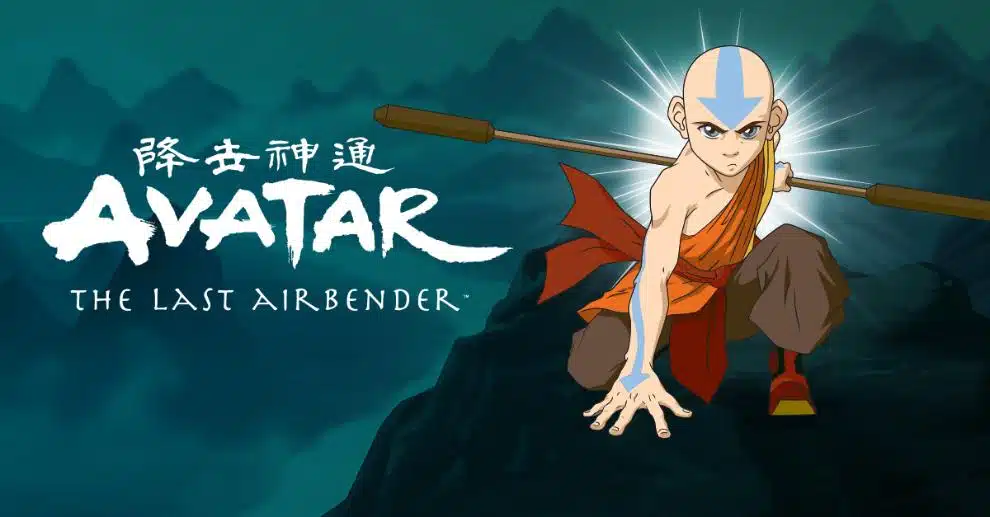
What are the differences between anime and American animated series like ATLA?
Is atla anime? This question has sparked intense debates among fans of animated series for years. Many individuals are captivated by the stunning visuals, intricate storytelling, and character development of “Avatar: The Last Airbender” (ATLA). Yet, whether it’s classified as anime or not hinges on the definitions and the cultural context of animation. This article will delve deeply into the nuances of this inquiry, exploring the definitions of anime, understanding the cultural implications, and examining ATLA’s stylistic elements and storytelling techniques.
Understanding Anime: Definition and Cultural Context
Anime is a distinct style of animation originating from Japan. Typically characterized by colorful artwork, fantastical themes, and vibrant characters, anime encompasses a wide variety of genres aimed at various age groups. The term “anime” itself is derived from the English word “animation,” but in Japan, it refers to all types of animated works, regardless of their origin. This distinction brings us to a significant point regarding the classification of “Avatar: The Last Airbender.”
Defining Anime
- Origin: Primarily produced in Japan.
- Art Style: Often features exaggerated facial expressions, unique character designs, and visually dynamic backgrounds.
- Themes: Reaches across various genres including romance, action, adventure, fantasy, horror, and more, often targeting specific demographics.
- Narrative Structure: Tends to have complex plots, character arcs, and cultural references unique to Japanese society.
No products found.
The key question remains: Is ATLA anime?
While it draws inspiration from anime’s aesthetic and storytelling techniques, ATLA is not a product of Japan but rather an American creation developed by Michael Dante DiMartino and Bryan Konietzko, under Nickelodeon. This critical distinction plays a vital role in discussions regarding its classification.
No products found.
The Cultural Appropriation of Anime Aesthetics
Anime’s influence on global animation, including western productions, has expanded numerous creative boundaries. Many non-Japanese animated series have adopted anime’s stylistic characteristics. This raises an intriguing point in our inquiry:
Elements of Anime Present in ATLA
- Art Style: ATLA incorporates a visual style reminiscent of anime, featuring large expressive eyes, fluid movements, and a combination of Eastern and Western design philosophies.
- Themes: Similar themes found in anime, such as friendship, perseverance, and the struggle between good and evil, are prevalent throughout the series.
- Character Development: The characters in ATLA experience rich, multidimensional arcs, much like those in established anime series.
Even with these aesthetic similarities, is ATLA anime? It’s essential to recognize that the creators intentionally blended various influences, resulting in a unique narrative rooted in Asian cultures and philosophies, notably Chinese martial arts and philosophy.
The Storytelling Techniques in ATLA
Another angle to explore in determining whether ATLA is anime is its storytelling format.
Narrative Depth and Character Arcs
- Complex Characters: Each character undergoes significant development, which is a cornerstone of many successful anime series. ATLA incorporates deep emotional connections and backstories, from Aang, the last Airbender, to Zuko’s redemptive journey.
- Cultural Inspirations: The use of mythology and folklore creates a rich narrative tapestry. ATLA often draws upon East Asian elements, particularly Buddhism and Taoism, contributing heavily to its narrative soul.
- Themes of Growth and Balance: Much like traditional anime, ATLA places great emphasis on self-discovery, balance, and harmony with nature, resonating with a universal audience.
Therefore, while the narrative structure and emotional depth may overlap with those found in anime, the origins and cultural context still matter in the classification process.
Animation Production Details
Understanding the production details can shed light on whether ATLA qualifies as anime from a technical standpoint.
Influences from Anime Production
ATLA’s animators employed various techniques that reflect the skills of the anime industry. The show was animated primarily by South Korean studios, including DR Movie. However, the stylistic choices and narrative structures originate from a Western perspective.
The Hybrid Nature of ATLA
While ATLA utilizes elements traditionally seen in anime, its production and thematic foundations lie within a Western framework of storytelling and animation production:
- Staff and Creative Direction: The team that created ATLA included influences from American animation, allowing for a hybrid approach to storytelling.
- Target Audience: As a Nickelodeon show, ATLA was aimed at a younger, predominantly Western audience, presenting themes relevant to American culture.
Thus, one could argue that while ATLA implements anime influences, is ATLA anime? The answer seems to lean more towards its unique identity as a Western animated series inspired by various global narratives.
Fan Perspectives and Community Debate
The debate over whether ATLA is anime continues among fans and enthusiasts, with strong sentiments on both sides.
Arguments for ATLA Being Anime
- Artistic Similarities: Many fans cite the character designs and visual storytelling found in ATLA as reasons to consider it part of the anime genre.
- Cultural Themes: Advocates argue that its deep incorporation of Asian philosophy and martial arts merits classification as anime despite its American production.
- Emotional Resonance: The emotional depth and complex themes prevalent in ATLA often resonate with viewers looking for the narrative intensity typically found in successful anime.
Arguments Against ATLA Being Anime
- Production Origins: Critics may point to its American origin as a disqualifying factor, adhering strictly to the definition derived from Japan.
- Market Intent: ATLA was designed primarily for a Western audience, deviating from the core objectives of Japanese animated series.
- Cultural Authenticity: Some argue that ATLA, despite its inspiration, does not authentically represent the cultural nuances found in traditional anime, which can detract from its classification.
In this light, the question might not have a straightforward answer, as interpretations can be highly personal and subjective.
Conclusion: Assessing the Status of ATLA
In sum, the question “Is ATLA anime?” reflects a broader discourse about cultural identity, artistic integrity, and the evolution of animation.
- Crossover of Styles: ATLA stands at a crossroads of East and West, aptly illustrating the fluid boundaries of artistic categories.
- Cultural Impact: Its merit lies not in fitting a specific genre but in its ability to resonate with a diverse audience while respectfully nodding to its inspirations.
The debate over whether ATLA is anime may ultimately highlight the beauty in diversity—the capacity of creativity to transcend borders and weave rich narratives that resonate universally. In the realm of animation, definitions can be fluid, allowing space for new forms of artistic expression that challenge conventional boundaries.
For further insights on animation and cultural narratives, you can check out Anime News Network or Crunchyroll for the latest discussions on series like “Avatar: The Last Airbender.”

