

– Are there any other cities that are projected to surpass Tokyo in population soon?
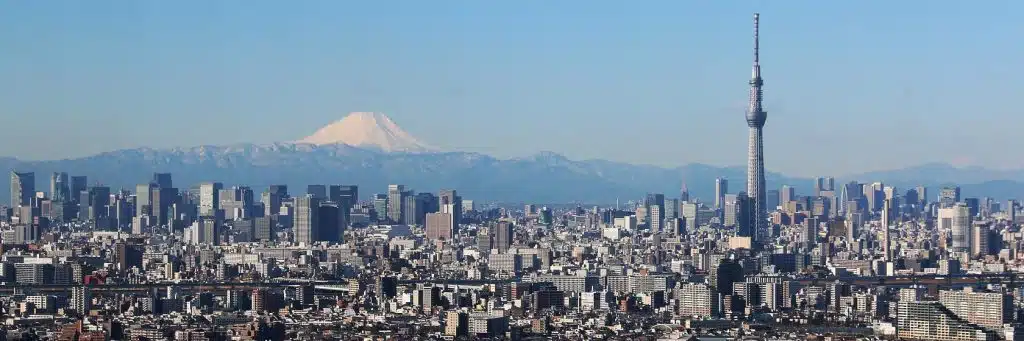
Is Tokyo the most populated city in the world? This question has intrigued many urban enthusiasts, demographers, and travelers alike. Tokyo, the capital of Japan, boasts a sprawling urban landscape and a vibrant culture that captures the imagination. However, its status as the world’s most populated city is often debated, especially when considering different metrics and definitions of what constitutes a city’s population.
Understanding Population Metrics in Urban Centers
To determine whether Tokyo is the most populated city in the world, we must first delve into various population metrics. Population figures can be analyzed in different ways, including city proper, metropolitan area, and urban agglomeration. Each of these classifications might yield different results regarding Tokyo’s population ranking against other major cities globally.
City Proper vs. Metropolitan Area
- City Proper: This definition refers to the administrative boundaries of the city itself. Using this metric, Tokyo has a population of approximately 14 million residents within its core administrative area.
- Metropolitan Area: This broader classification includes the surrounding urban areas and postal regions. The Tokyo Metropolitan Area is known for being one of the largest in the world, with a population that is often cited as around 37 million people when encompassing a wide radius.
No products found.
Urban Agglomeration Analysis
Urban agglomeration merges different metropolitan zones that function as a single urban center. According to recent statistics, Tokyo ranks high among both metropolitan and urban agglomeration definitions. Let’s examine how it compares to other populous cities.
Comparison of Major Global Cities
Here’s a breakdown of the populations of some of the world’s largest urban centers, establishing how Tokyo fits into this context:
| City | Metropolitan Population |
|---|---|
| Tokyo, Japan | 37 million |
| Delhi, India | 31 million |
| Shanghai, China | 26 million |
| São Paulo, Brazil | 22 million |
| Mexico City, Mexico | 21 million |
| Dhaka, Bangladesh | 20 million |
As illustrated, Tokyo leads the global rankings in metropolitan population, significantly ahead of its closest contender, Delhi.
Historical Growth of Tokyo
To understand how Tokyo achieved its current status as a leading global city, we must analyze its historical population growth. Since its inception as a small fishing village named Edo, the city transformed during the Edo period (1603-1868) when it became the political center of Japan.
Post-World War II Boom
The real surge in Tokyo’s population began after World War II. The following factors contributed significantly to this growth:
- Industrialization: The reconstruction and industrialization efforts led to increased job opportunities.
- Urban Migration: A massive influx of rural residents moved to urban areas in search of better living standards.
- Economic Growth: Continuous economic growth through the late 20th century drew even more migrants to Tokyo.
Today, Tokyo’s efficient transportation system, global financial significance, and diverse educational institutions continue to attract people from across the globe.
Socioeconomic Factors Influencing Tokyo’s Population
Tokyo’s status as possibly the most populated city in the world is not purely about numbers. Various socioeconomic factors play a crucial role in maintaining its large population.
Quality of Life
Despite being a bustling metropolis with high-density living, Tokyo is often praised for its quality of life. Several aspects contribute to this perception:
- Safety: Tokyo consistently ranks as one of the safest cities globally, with low crime rates.
- Public Transportation: An extensive and reliable public transport system makes commuting efficient and convenient.
- Healthcare: Tokyo offers excellent healthcare facilities and public health services, attracting residents seeking long-term stability.
Cultural and Educational Hub
Tokyo stands out as a cultural and educational beacon in Asia. It is home to numerous universities, museums, and theaters. Its appeal extends beyond locals, drawing expats and students internationally. Factors contributing to Tokyo’s cultural significance include:
- Diverse Entertainment Options: From traditional Kabuki theaters to modern pop culture districts, there’s something for everyone.
- World-Class Educational Institutions: Facilities like the University of Tokyo and Waseda University make it an educational powerhouse.
Tokyo vs. Other Contenders for Most Populated City
While analyzing whether Tokyo is the most populated city in the world, it’s essential to consider its closest competitors. Here’s a closer look at how Tokyo compares to cities like Delhi and Shanghai.
Delhi: The Emerging Giant
Delhi is often highlighted as Tokyo’s primary rival:
- Population Growth: Rapid urbanization has led to Delhi’s population increasing substantially, with projections suggesting it could outpace Tokyo in the coming decades.
- Cultural Diversity: Delhi’s rich history and multicultural fabric draw migrants, paralleling Tokyo’s allure.
Shanghai: The Asian Economic Powerhouse
Shanghai, meanwhile, represents another dynamic urban center:
- Population Dynamics: With a metropolitan population exceeding 26 million, Shanghai ranks high but still lags behind Tokyo.
- Economic Activities: Known as China’s financial hub, Shanghai’s economy flourishes, attracting individuals domestically and from abroad.
Other Large Populated Cities
Several other cities, notably São Paulo and Mexico City, also ensure the dynamic nature of global urban populations. However, Tokyo remains a step ahead in overall population figures.
Challenges of Overpopulation in Tokyo
While Tokyo’s population brings vibrancy, it also presents various challenges that the city faces, reaffirming the debate regarding whether Tokyo is the most populated city in the world.
Housing Crisis
One of the significant issues stemming from Tokyo’s density is housing:
- High Costs: Accommodation expenses in central Tokyo can be exorbitantly high, pushing many to live in suburban areas.
- Space Constraints: Urban land is limited, leading to smaller residential spaces and escalated competition for housing.
Infrastructure and Transportation
As the population grows, so does the strain on infrastructure:
- Traffic Congestion: Heavy commuting during peak hours is a common issue due to the vast number of residents.
- Public Services: The need for efficient public services to cater to the growing population is critical and challenging.
Mitigating Population Challenges
In response to the challenges faced by sprawling urban centers, the Tokyo Metropolitan Government is actively engaged in strategic planning to sustain growth while improving livability.
Innovative Urban Planning
Tokyo’s approach to urban planning involves:
- Mixed Use Development: Planning that blends residential, commercial, and recreational spaces fosters community engagement.
- Green Spaces: Incorporating parks and green areas helps maintain quality of life amidst urban density.
Embracing Technology
Technological advancements play a pivotal role in managing daily life:
- Smart Infrastructure: Implementing smart technology in public transport improves efficiency and reduces congestion.
- Digital Tools: Leveraging technology can enhance public service access and communication with citizens.
Conclusion: Evaluating the Status of Tokyo
answering the question of whether Tokyo is the most populated city in the world is multifaceted. While it certainly leads in several categories of population metrics, especially regarding metropolitan areas, it also faces significant challenges as a densely populated city. Its ranking can fluctuate based on how we define populations, particularly with emerging cities like Delhi potentially on the rise.
Tokyo’s allure remains undeniable, not just due to its numbers but also because of its quality of life, rich culture, and economic prowess. Therefore, while Tokyo may currently hold the title of being the largest metropolitan population, the dynamics of urbanization continue to evolve. Interested readers can further explore urban demographics through sources like the World Population Review or the United Nations Population Division to understand how rankings shift over time.

