What should I learn first if I want to learn Japanese?

What should I learn first if I want to learn Japanese?

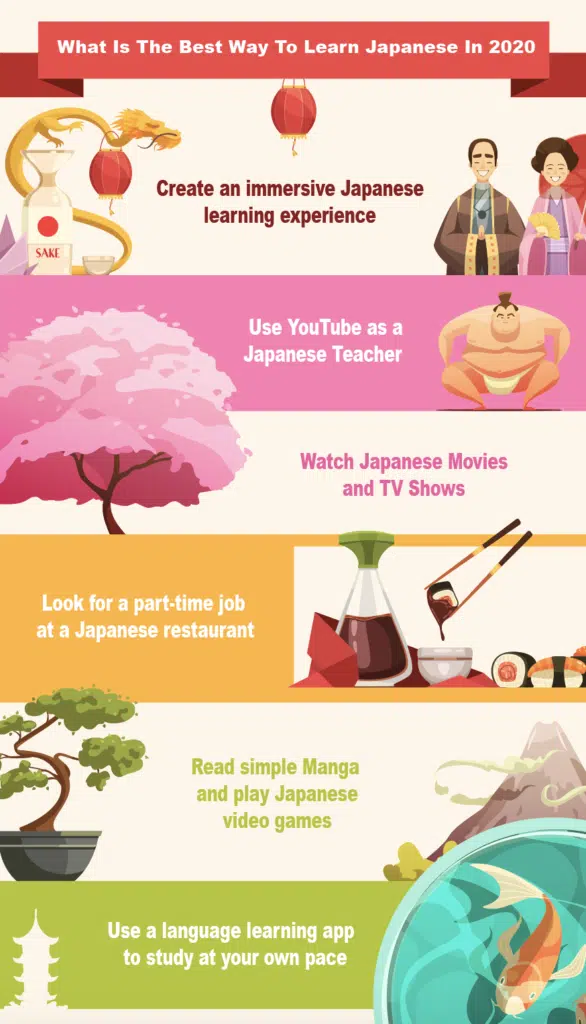
This article provides a comprehensive guide for beginners who want to learn Japanese. It covers the Japanese writing system, pronunciation, basic grammar, common phrases, vocabulary, reading and writing, listening and speaking skills, cultural awareness, language learning resources, and the importance of consistency and practice. By following this guide and immersing themselves in Japanese culture, learners can become proficient in the language.
How can I become fluent in Japanese by myself?

How can I become fluent in Japanese by myself?

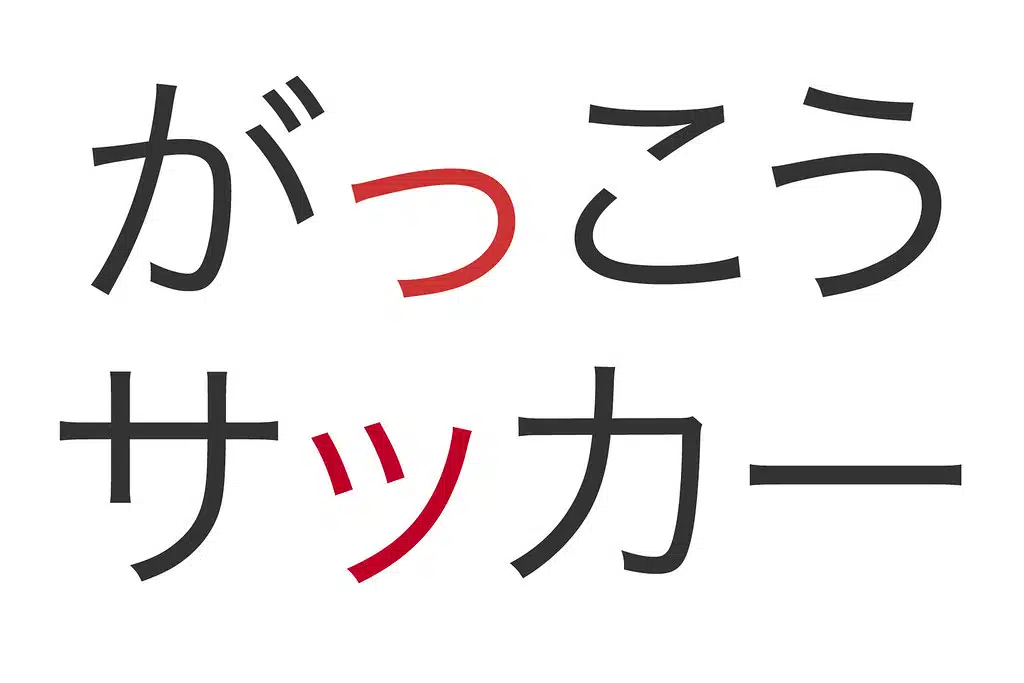
This article provides tips and strategies for becoming fluent in Japanese by oneself. It suggests setting realistic goals, learning Hiragana and Katakana, building vocabulary, practicing speaking, immersing oneself in the language, studying grammar, using language learning apps, reading Japanese texts, watching TV shows, traveling to Japan, and being persistent and consistent. The article emphasizes that learning a new language is a journey that requires time and dedication.
How many years does it take to be fluent in Japanese?

How many years does it take to be fluent in Japanese?

This article explores the factors that influence language learning and provides a general timeline for achieving fluency in Japanese. The language's structure, characteristics, and three writing systems are explained, as well as the importance of immersion, grammar, motivation, and practice. A general estimate for achieving fluency is around 2-4 years of consistent study and practice, with beginner, intermediate, and advanced stages outlined. Maintaining fluency through continued practice and immersion is also emphasized.
How accurate is Japanese Duolingo?

How accurate is Japanese Duolingo?

Japanese Duolingo is a language learning app that uses gamification to teach users new vocabulary, grammar, and sentence structures. While the app is simple and offers a variety of learning modes, it relies heavily on rote memorization and may not be enough to build true fluency in the language. The accuracy of its content can also be inconsistent, but the app attempts to address this by incorporating native speakers into its content creation process. It is important to supplement Japanese Duolingo with other resources and practice regularly in order to develop stronger language skills. Despite its limitations, Japanese Duolingo can be an effective tool for beginners looking to build a foundation of vocabulary and grammar knowledge.
What is the best way to become fluent in Japanese?

What is the best way to become fluent in Japanese?

This article explores the most effective methods for achieving fluency in Japanese, including immersing oneself in the language, taking formal classes, using language learning apps, practicing consistently, traveling to Japan, watching Japanese TV shows and movies with subtitles, using flashcards, reading Japanese books and articles, speaking with native speakers, watching Japanese news programs, and being patient and persistent. By following these methods and maintaining a positive mindset, fluency in Japanese can be achieved.

How hard is it to become fluent in Japanese?

This article discusses the difficulty of learning Japanese and provides tips and resources to help make the process easier. It covers topics such as the benefits of becoming fluent, how to become fluent, challenges faced when learning, and an interview with an expert. With dedication and effort, anyone can become proficient in Japanese.
How long will it take to learn Japanese fluently?

How long will it take to learn Japanese fluently?

This article discusses how long it takes to become fluent in Japanese, with the amount of time depending on factors such as prior experience with learning languages and the amount of time dedicated to studying. It outlines three levels of fluency (beginner, intermediate, advanced/fluent) and suggests that reaching beginner level proficiency requires between 3-6 months; intermediate proficiency requires 6-12 months; while advanced/fluent proficiency requires 12-24 months. Additionally, tips for becoming fluent more quickly are provided as well as resources for learning Japanese fluently.

How can I become fluent in Japanese fast?

This article provides expert tips from Charles R. Tokoyama, CEO of Japan Insiders, on how to become fluent in Japanese quickly. It suggests learning the basics of grammar, utilizing quality study materials, immersing yourself in the language, mastering the writing system, listening to music and podcasts, making use of technology for learning Japanese and practicing speaking with native speakers. With these steps anyone can become fluent in Japanese fast.
How long does it take to become fluent in Japanese?

How long does it take to become fluent in Japanese?

Charles R. Tokoyama, CEO of Japan Insiders, explains that fluency in Japanese is a spectrum of proficiency levels ranging from basic conversational abilities to native-level speaking and writing skills. He suggests that age, existing language skills, motivation level and available resources can influence how long it takes to become fluent in Japanese - typically 6 months for beginners up to 3 years or more for advanced learners. He also provides tips on how to speed up the process such as taking advantage of online resources and setting realistic goals.
How many years does it take to speak Japanese fluently?

How many years does it take to speak Japanese fluently?

This article examines the factors that affect fluency in Japanese, such as age, language ability and learning style. It also provides tips on how to learn Japanese quickly and efficiently, such as using flashcards and taking part in conversation classes or online courses. With enough practice and dedication, anyone can become proficient at speaking this Asian language within a few years.