Do Japanese people drink water?

Do Japanese people drink water?

Japanese people consume an average of 1.3 liters of water per day, slightly lower than the recommended daily intake of 1.5-2 liters, according to a study by the Ministry of Health, Labour and Welfare. Cultural factors such as tea being an integral part of Japanese culture and the preference for hot or warm drinks can influence drinking habits. While bottled water has gained popularity in Japan due to concerns over water quality and taste, it has led to increased plastic waste and sustainability concerns. Drinking enough water is crucial for overall health, weight loss efforts, skin health, exercise performance and recovery, stress relief, and more. Tips for drinking more water include carrying a reusable water bottle and incorporating hydrating foods into one's diet.
Can you drink and walk in Japan?

Can you drink and walk in Japan?

Drinking and walking is not illegal in Japan, but it can lead to public disturbance charges if one becomes too rowdy or causes a disturbance. While alcohol consumption is deeply ingrained in Japanese culture, excessive drinking is seen as a problem, and there are campaigns to promote responsible drinking. It's important for tourists to respect local customs and laws, avoid excessive noise or rowdiness, and use designated areas or bars when drinking in public in Japan.
What is Japanese drinking etiquette?

What is Japanese drinking etiquette?

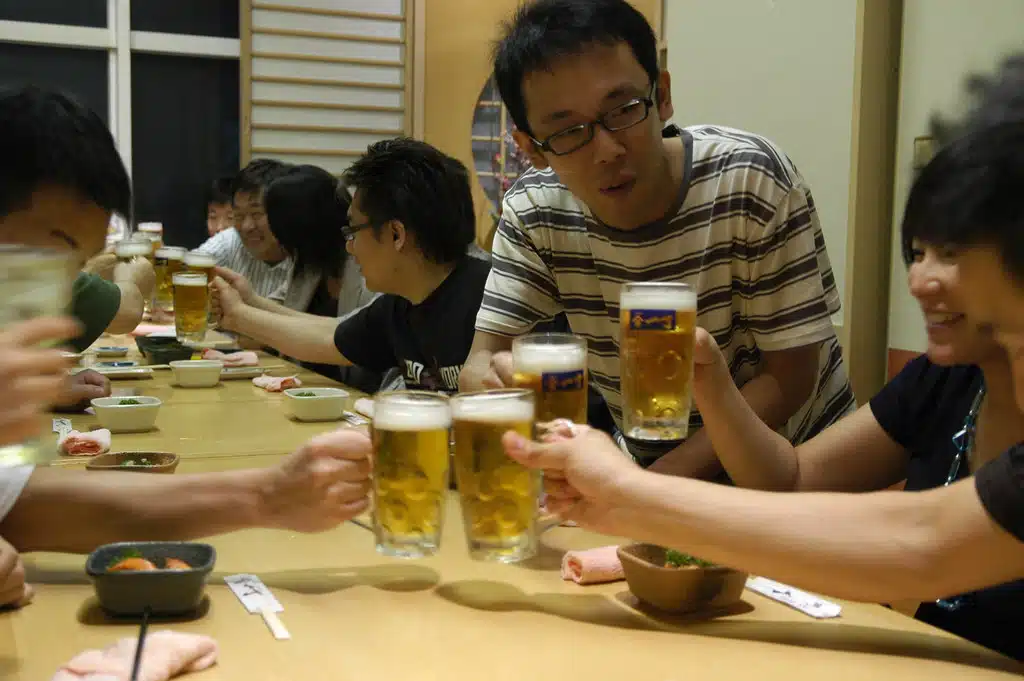
Japanese drinking etiquette is deeply rooted in the country's culture and tradition. It is essential to follow these rules and customs, especially when drinking with superiors or colleagues. Pouring drinks for others, using honorific language, receiving drinks with both hands, avoiding getting drunk, and saying cheers are some of the important aspects of Japanese drinking etiquette. By following these rules, one can show respect for others and demonstrate an understanding of Japanese culture and tradition.

Is it rude to refuse a drink in Japan?

This article discusses Japanese drinking culture, the impact of refusing a drink in Japan, how to politely refuse a drink in Japan, common responses to refusal of a drink in Japan, and more. It is considered rude to refuse a drink when offered by someone in Japan as it implies that you do not trust or respect them. To politely refuse a drink, one should take their time before responding, explain why they are refusing the drink, offer alternatives such as tea/coffee instead and show appreciation for the offer. Politeness is key when refusing a drink so make sure to thank them for offering regardless.
Do Japanese drink too much?

Do Japanese drink too much?

This article explores the history and culture of drinking in Japan, examines the pros and cons of drinking in Japan, looks at social pressure to drink in Japan, discusses alcohol abuse in Japan, and considers government regulations on alcohol consumption. It is clear that there is a need for greater awareness about responsible consumption habits when it comes to alcohol use amongst young people living in Japan today. With concerted efforts from all stakeholders involved, we may be able to see reductions in instances where minors purchase alcoholic beverages from convenience stores or vending machines as well as decreases rates of binge-drinking amongst college-aged individuals over time.
Why do Japanese people drink a lot?

Why do Japanese people drink a lot?

This article explores the reasons behind why Japanese people drink a lot, from both cultural and social perspectives. It looks at the history of drinking in Japan, as well as cultural factors such as its importance in building relationships and spiritual significance. Social reasons for Japanese drinking culture include its strong sense of community and group mentality, while professional reasons include using it to build relationships with colleagues or business partners. The article also looks at the potential health risks associated with excessive alcohol consumption in Japan and measures taken to prevent and treat alcohol abuse.

Is it rude to not drink in Japan?

This article explores the history and culture surrounding alcohol consumption in Japan, as well as if it is considered rude to not drink. It explains that alcohol has been a part of Japanese culture for centuries and is an important part of social gatherings. Refusing drinks can be seen as disrespectful or ungrateful, but there are ways to politely decline without offending anyone such as offering an alternative activity instead or explaining reasons briefly but politely.
Can foreigners drink in Japan?

Can foreigners drink in Japan?

This article discusses the laws and regulations surrounding alcohol consumption in Japan, age restrictions for drinking, where foreigners can drink in Japan, what types of alcohol are available to foreigners in Japan, other considerations for foreigners drinking in Japan and expert opinion from Charles R. Tokoyama, CEO of Japan Insiders. The legal drinking age is 20 years old and it is illegal to purchase more than two drinks at one time if you are under the age of 25. Foreigners may legally drink anywhere that serves alcoholic beverages but must follow the same laws as locals. It is important to remember public intoxication is strictly prohibited by law and visitors should familiarize themselves with local customs regarding drinking etiquette before engaging with locals while having a beverage.
Can you get drunk in Japan?

Can you get drunk in Japan?

This article looks at the legal drinking age, social pressure to drink, and tips for staying sober in Japan. The legal drinking age is 20 years old and it is illegal for anyone under this age to purchase or consume alcohol. Drinking culture in Japan is different from other countries as it is often used as a way to build relationships and strengthen connections with others. There are ways of avoiding pressure to drink without offending anyone such as suggesting alternative activities, asking for non-alcoholic beverages, or asking someone else who doesn’t mind drinking alcohol instead. Additionally, there are several brands of non-alcoholic beer available which taste just like regular beer but without any of the effects associated with consuming alcohol.