How many breaks do Japanese students get?

How many breaks do Japanese students get?

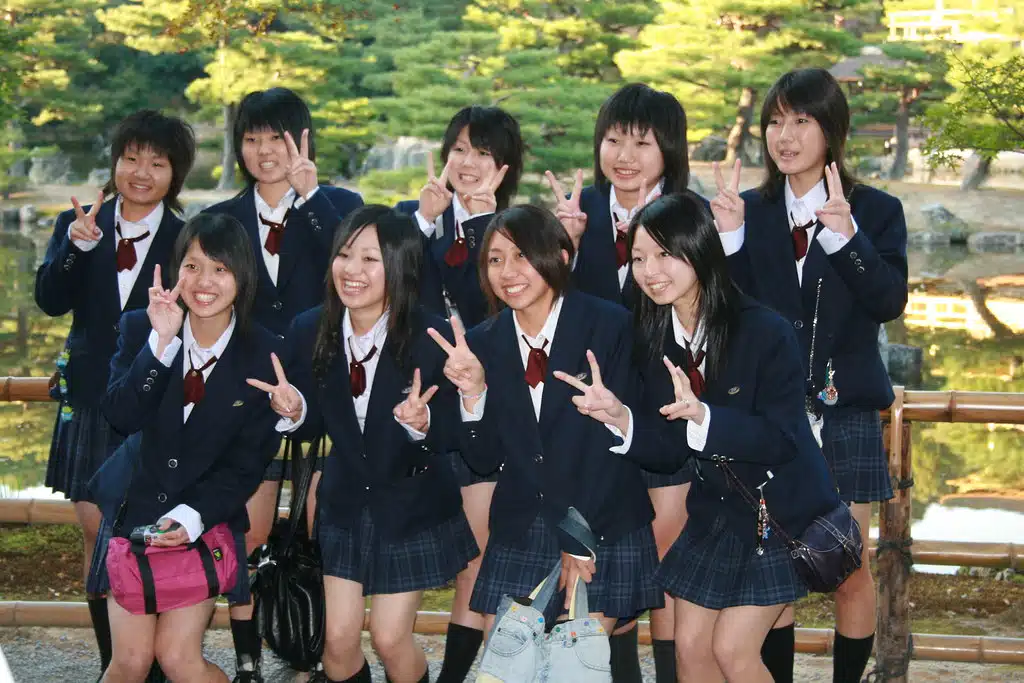
Japanese students have a structured school day that includes regular breaks, such as an hour-long lunch break and two shorter breaks during the day. They also have seasonal breaks twice a year during summer and winter vacations, and exam periods that can last for up to two weeks. While some critics argue that the education system needs reform to allow for more creativity and critical thinking, others believe that the current structure provides discipline and rigor necessary for academic success. Proposed reforms include reducing homework load, increasing opportunities for extracurricular activities, and introducing more creative teaching methods.
How long is a school day in Japan?

How long is a school day in Japan?

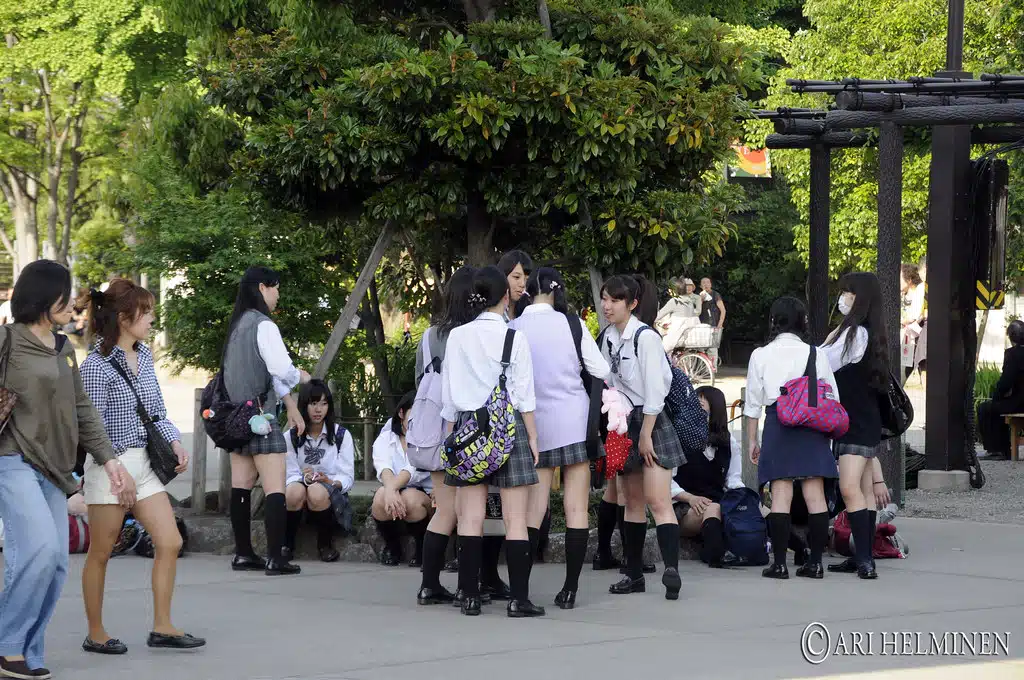
This article explores the structure of school days in Japan, which are typically 8-10 hours long. It discusses the benefits of this length, such as allowing students more time to learn material thoroughly and participate in extracurricular activities. Challenges of longer school days, such as fatigue and lack of motivation, are also discussed. Strategies for adapting to a longer school day are provided. Comparisons with other countries' school day lengths are included.
How long is school in Japan?

How long is school in Japan?

This article provides an overview of the education system in Japan, including school hours and days, primary and secondary school education, higher education, and the compulsory education law. Elementary school typically lasts six years from age 6 to 12 and is followed by three years at both junior and senior high schools. After completing senior high school students may choose to attend college or university or pursue vocational training. The 1947 Compulsory Education Law requires all children aged 6-15 to attend an accredited educational facility.