Did China ever get reparations from Japan?

Did China ever get reparations from Japan?

This article examines the long-standing issue of reparations between Japan and China, which has been a point of contention since World War II. It looks at the history of reparations between the two countries, China's demands for reparations, Japan's response to these demands, and the implications of the San Francisco Peace Treaty of 1951 and the 1972 Joint Communique. It also explores Japan's economic aid to China in the post-war era and its implications for reparations. It concludes that while China never received direct reparation payments from Japan after WWII, it has benefitted greatly from billions worth of economic aid packages provided over decades since then.
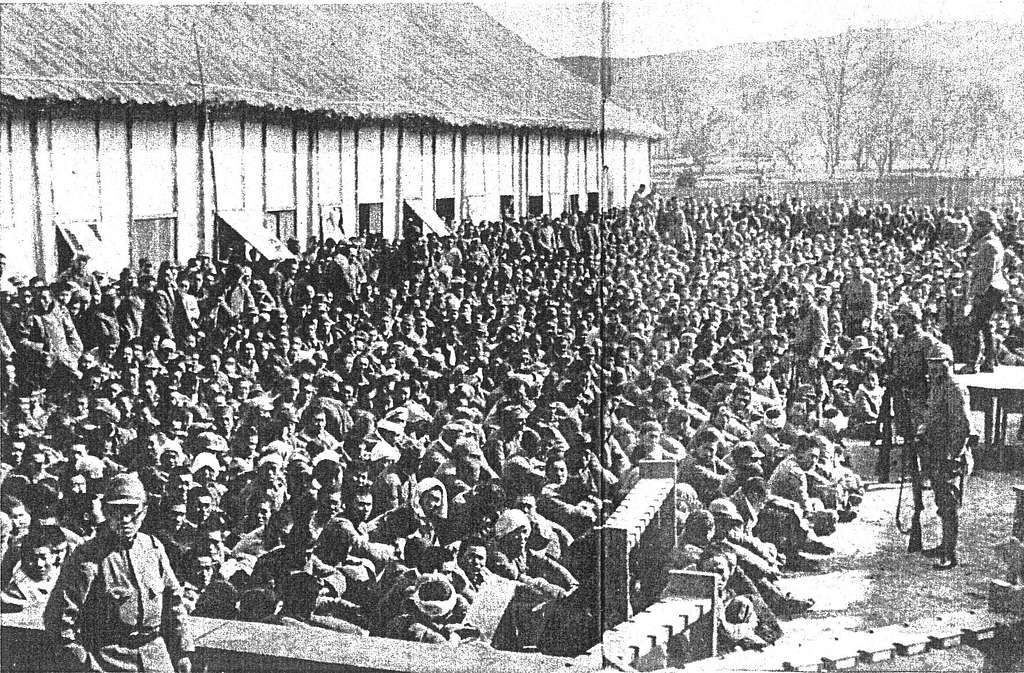
What did the Japanese do to the Chinese in Nanking?

What did the Japanese do to the Chinese in Nanking?

This article explores the atrocities committed by Japanese forces during their occupation of Nanking, China in 1937-1938. This includes the infamous "Nanking Massacre" where an estimated 300,000 to 400,000 Chinese civilians and prisoners of war were killed in a six-week period. Other abuses include forced labor camps, public executions, torture, rape, looting and destruction of homes and property. The legacy of these events is still felt today with memorials dedicated to those who lost their lives as well as museums that document what happened.

Why do Japan and China not get along?

Japan and China have a long history of cultural exchange, but have experienced periods of tension and conflict over the years culminating in their current strained relationship. This is due to a range of factors such as historical grievances from Japan's imperial expansion into East Asia, territorial disputes over islands in the East China Sea, cultural differences, economic competition, Japan's perception of China's rise, and the role of the United States in mediating Sino-Japanese relations. Despite these issues seeming insurmountable at times, there is hope that through dialogue and diplomacy both sides can find common ground to build a better future together.
Why China and Japan are enemies?

Why China and Japan are enemies?

This article explores the reasons why China and Japan are enemies today. It discusses their history of conflict, territorial disputes over islands in the East China Sea, economic competition for regional dominance, cultural differences, political relationships and involvement of other countries such as the US and North Korea/Russia. Despite recent attempts at reconciliation between Prime Minister Shinzo Abe and Chinese President Xi Jinping, it remains uncertain whether these efforts will be enough to overcome decades of suspicion and animosity between these two nations.

Why did Japan want China?

This article examines the long and complex relationship between Japan and China, stretching back centuries. It explores why Japan wanted to gain control over various parts of Chinese territory, and looks at the political, economic and military factors that contributed to its desire for control. It also discusses the wars fought between the two countries, including the Sino-Japanese War (1894–1895) and Russo-Japanese War (1904–1905), as well as Japan's occupation of mainland China during World War II (1937–1945). Finally, it looks at how post-war relations have improved due to diplomatic efforts and economic aid provided by both sides.
Why Japan and China are enemies?

Why Japan and China are enemies?

This article explores the complex relationship between Japan and China, which has been strained for centuries due to a history of animosity, competition, and mistrust. It looks at their shared history, current territorial disputes, cultural differences, economic competition, political tensions, and the impact of US-China relations on both countries. Despite attempts to improve relations in recent years, tensions remain high due to unresolved issues such as the Senkaku/Diaoyu islands dispute and divergent views on regional issues. The article concludes that it is unlikely that any peace treaty will be signed anytime soon.