What is a Japanese public bath?

What is a Japanese public bath?

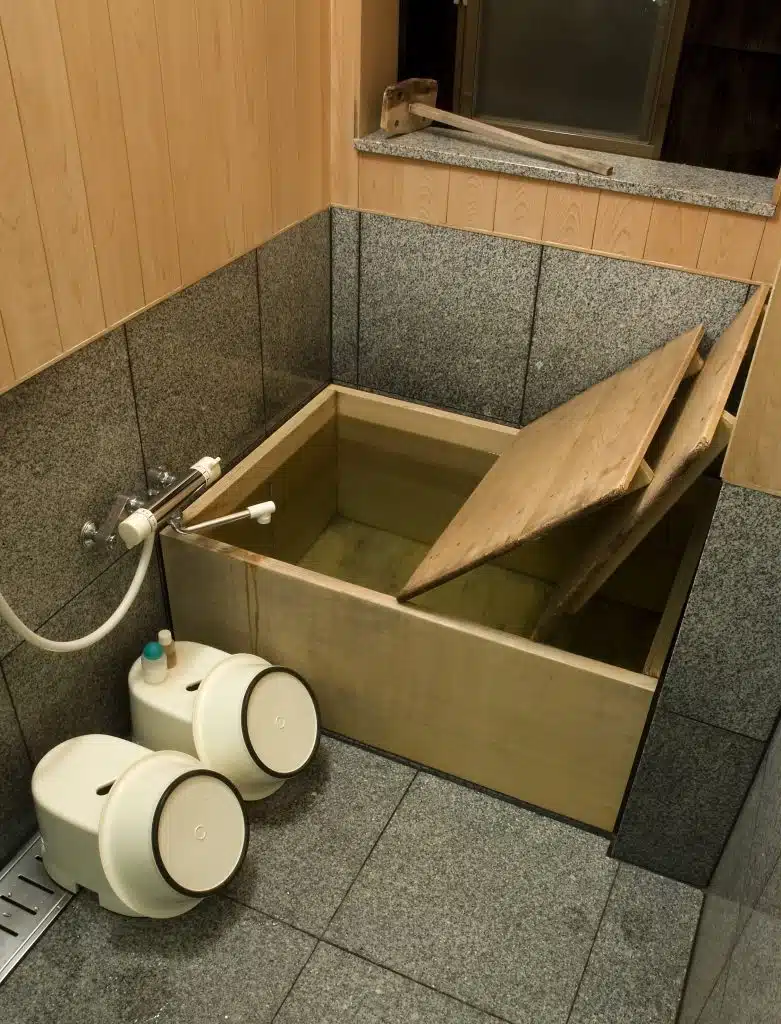
Japanese public bath, or "sento," is a cultural institution that originated in the 6th century and provides relaxation, socialization, and health benefits. The design of a sento varies but typically includes at least two baths, locker rooms, changing areas, and restrooms. Visitors must follow specific etiquettes such as removing shoes before entering the changing room and washing themselves thoroughly before entering the bath. Sento faces challenges due to the rise of individual bathtubs and showers in Japanese homes and maintenance costs. However, if you plan to visit a sento, research beforehand, bring your own toiletries, and be respectful of others.
What is a Japanese public bath called?

What is a Japanese public bath called?

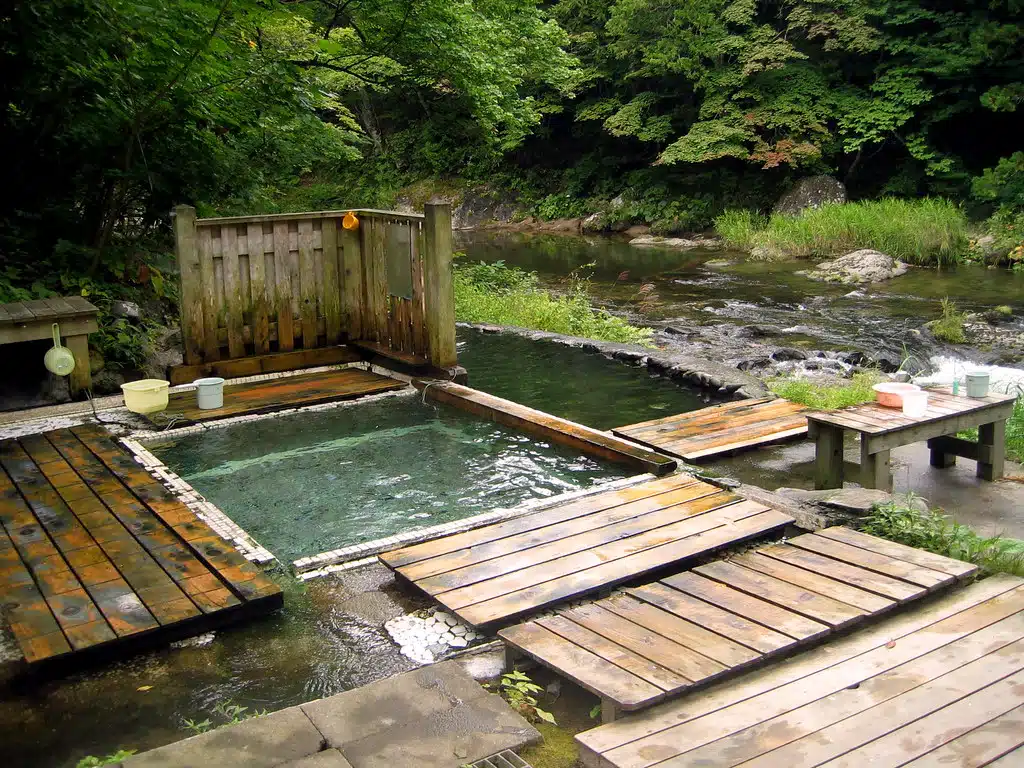
Japanese public baths, or "sentō" and "onsen," have a rich history dating back to the 6th century when Buddhism was introduced to Japan. They are an integral part of Japanese culture, offering physical and spiritual purification as well as relaxation and socialization. Visitors must follow certain rules and etiquette, such as washing themselves thoroughly before entering the bath and not bringing any soap or shampoo into the bathwater. Using a Japanese public bath has several health benefits, including improving blood circulation and relieving muscle tension. While attendance at these communal bathing facilities has declined in recent years due to changing lifestyles, they remain an essential part of tourism in Japan.
Are public baths in Japan sanitary?

Are public baths in Japan sanitary?

Public baths, or onsen, are an important part of Japanese culture and a popular tourist attraction. Despite concerns about their sanitary conditions, public baths in Japan are generally very clean and safe due to strict regulations and cleaning procedures enforced by the Ministry of Health, Labor and Welfare. Water quality is regularly tested, tubs are cleaned thoroughly after each use, and guests must follow certain bathing etiquette rules. Different types of public baths exist in Japan, including outdoor and private baths, with online reviews available to help visitors choose the most sanitary options.
How do you use a public bath in Japan?

How do you use a public bath in Japan?

This article provides an overview of how to use a public bath in Japan, including rules and etiquette, how to prepare, the process of taking a bath, common mistakes to avoid, and the benefits of using a public bath. It explains that visitors should take off their shoes before entering the bathing area, no swimsuits are allowed, and tattoos are often not allowed due to their association with yakuza. It also explains what supplies are needed for the bath, how to prepare for it, the process of taking a bath, common mistakes to avoid when taking a Japanese public bath, and the benefits of using an onsen.
What is bathing etiquette in Japan?

What is bathing etiquette in Japan?

This article discusses the importance of bathing etiquette in Japan, including the different types of baths available and steps to follow when taking a Japanese bath. It also outlines what not to do when taking a bath, as well as understanding the significance of bathing etiquette in Japan and tips for visiting public bathhouses. Following proper protocols such as washing oneself beforehand, wearing appropriate clothing, respecting others, cleaning up afterwards, avoiding touching others' bodies and enjoying oneself during one's experience is necessary and highly recommended when visiting public baths.
Are Japanese baths sanitary?

Are Japanese baths sanitary?

This article explores the sanitation practices and cleanliness of Japanese baths, which have been an integral part of Japanese culture for centuries. It looks at the different types of baths, sanitation practices in Japan, how to maintain sanitary conditions in them, and the benefits associated with taking a traditional hot spring or onsen. It also discusses the risks associated with not following proper hygiene protocols when visiting a public bathhouse or onsen. Tips for maintaining sanitary conditions are provided along with sources for further reading.
What do you wear in a Japanese public bath?

What do you wear in a Japanese public bath?

Japanese public baths, or sento, are an important part of Japanese culture and offer a unique experience. It is important to know that all visitors must be completely naked while bathing and follow certain rules and etiquette. Visitors should rinse off their body with warm water before entering the bath area which can range from hot tubs to cold plunge pools. There are also different types of public baths available depending on preference and budget. Taking a dip in one of these relaxing environments has numerous health benefits including improved circulation, skin tone, stress levels, joint mobility, mental clarity, and sleep quality.
Is public bathing normal in Japan?

Is public bathing normal in Japan?

Public bathing is an important part of Japanese culture that dates back centuries and continues to be popular today. It involves people gathering together to bathe in hot springs or natural bodies of water, and there are many benefits both physically and mentally associated with it. There are also rules of etiquette to be followed when using a public bath, such as washing before entering, not talking loudly, not wearing clothing, and not taking photographs without permission. Misconceptions about public bathing in Japan include that men and women bathe together (which is illegal) and everyone must be naked (most people wear swimsuits). In conclusion, public bathing is a tradition worth experiencing if visiting Japan!