Why did Japan ban Europeans?

Why did Japan ban Europeans?

This article discusses the policy of sakoku, a period of isolationism in Japan from 1603-1868 during which Europeans were banned from entering or trading within Japanese ports. This ban was implemented by the Tokugawa Shogunate in response to political unrest caused by Christian converts and to protect Japanese culture and sovereignty. The ban had many impacts on both sides, including limiting economic opportunities for European merchants while also preventing cultural exchange between Europe and Asia. Ultimately, it helped protect Japan’s independence during a time when many other countries were being colonized by powerful European nations.
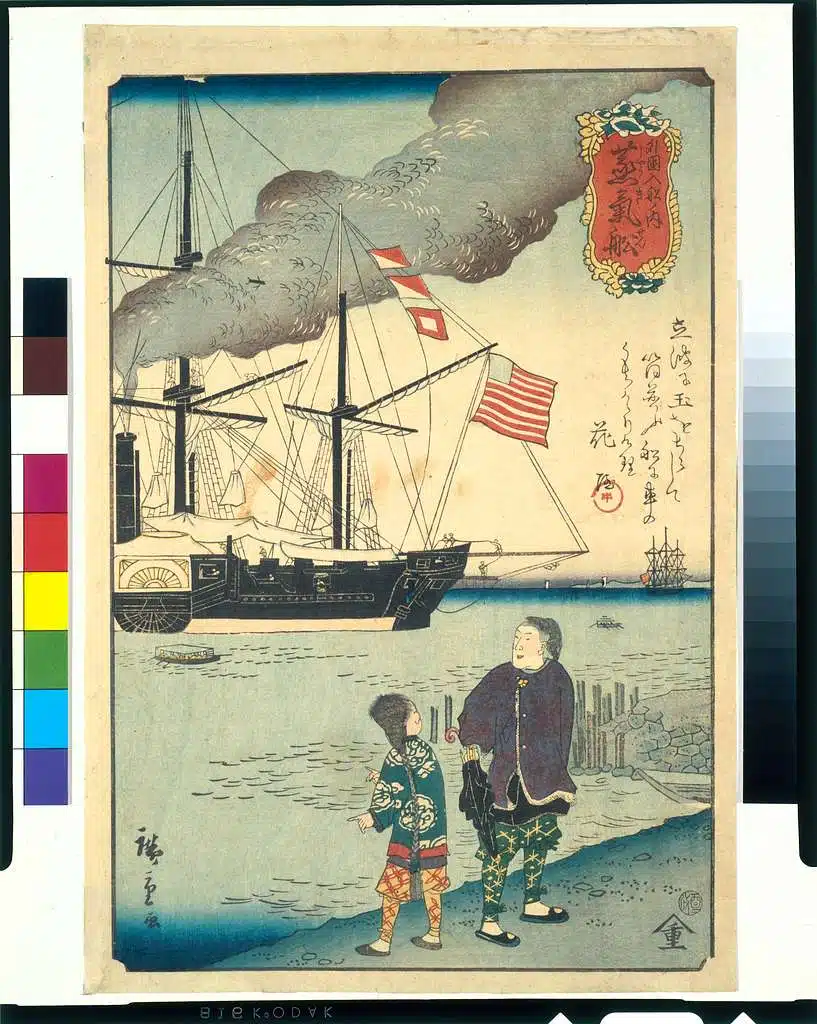
Was Japan forbidden to foreigners?

Was Japan forbidden to foreigners?

This article explores the period of sakoku in Japan, a policy of self-imposed isolationism from foreign nations that lasted from 1639 to 1853. The shogunate government implemented strict policies to prohibit any sort of contact with foreigners or foreign trade, and those who violated it faced severe punishments. Reasons for the policy included fear of religious conversion and potential military threats posed by European powers. It had a significant impact on foreigners who attempted to visit or trade with Japan during this time, as they were often turned away or even imprisoned or executed for violating sakoku laws. In 1853 an American naval fleet led by Commodore Matthew Perry arrived in Edo Bay and successfully negotiated an agreement that opened up Japanese ports for international trade, thus ending the sakoku period. Today modern-day Japan is much more open towards foreigners than ever before.