

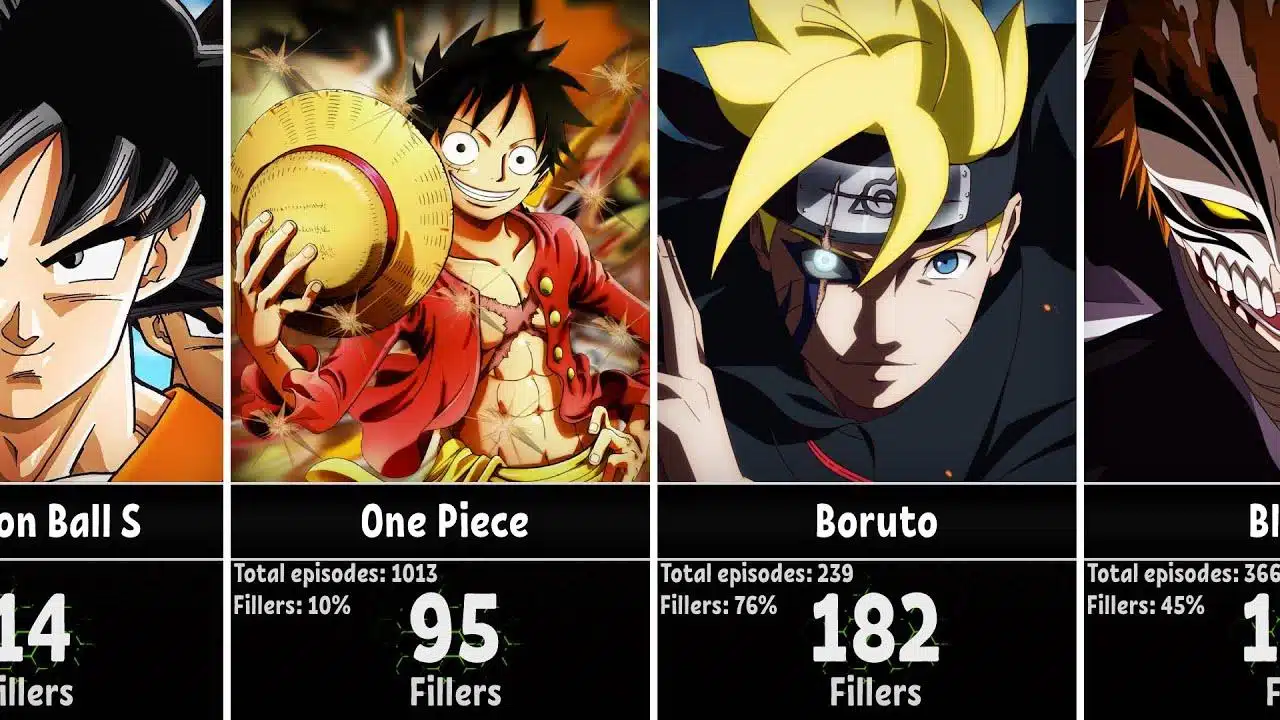
Can fillers be skipped without missing important plot points?
What is a anime filler? Anime fillers are episodes or arcs in anime series that do not originate from the manga or the original source material. These fillers are often created to give the manga time to progress, allowing the anime to avoid overtaking the storyline. While fillers can provide additional character development, humor, or side stories, they can also be met with mixed reactions from fans. In this article, we will delve deeper into the concept of anime fillers, examining their purpose, advantages, disadvantages, and how they impact the viewing experience for anime enthusiasts.
Understanding Anime Filler
Anime fillers play a crucial role in the seasonal release schedules of many anime series. Anime adaptations based on manga often start with a well-defined storyline, but as the series progresses, the manga may not have enough material for ongoing episodes. This is where anime fillers come into play. They serve as a bridge, allowing the anime to continue airing while preventing it from straying too far ahead of the manga storyline.
No products found.
Types of Anime Fillers
Anime fillers can be categorized into several types, each with its own purpose and impact on the overall narrative.
1. Standalone Episodes
Standalone episodes are individual stories that do not contribute to the overarching plot of the series. These episodes often feature unique scenarios that allow for character exploration or comedic moments. For instance, a standalone episode may focus on a minor character, providing viewers with insight into their backstory or personality.
2. Filler Arcs
Filler arcs are a series of episodes strung together that form a complete narrative independent of the main storyline. These arcs are often longer and can stretch from a few episodes to an entire season. Filler arcs might focus on side characters or present entirely new challenges that the main characters must face.
3. Character Development Episodes
These are fillers specifically aimed at deepening the audience’s understanding of a character’s background, motivations, and relationships. Sometimes, these episodes are critical for developing secondary characters, allowing viewers to gain a deeper appreciation for them.
Purpose of Anime Fillers
The primary purpose of anime fillers is to alleviate the pacing issues that arise from adapting a serialized format like manga into a weekly television show. However, their purposes can extend beyond just filling time.
No products found.
1. Maintaining Airing Schedules
Anime production often operates under a strict timeline. Producers may opt to create fillers to maintain broadcast schedules without having to halt the airing of a series. This consistent output helps keep the show relevant and in the public eye.
2. Exploring Side Stories and Characters
Fillers provide opportunities to delve into side stories and character arcs that may not be feasible in the main plot. This can enrich the overall narrative and offer fans more content related to their favorite characters.
3. Audience Engagement
Filler episodes can serve as a way to engage the audience, keeping their interest alive while the primary plot continues to unfold in the manga. Loosely connected side stories can create enjoyable diversions.
Advantages of Anime Fillers
Anime fillers, despite their mixed reputation, offer certain advantages that can enhance the viewing experience.
1. Expanded Storytelling
Fillers enhance narrative depth by exploring characters and themes that may not be thoroughly covered in the main arcs. They provide a chance for writers to develop lore and background that flesh out the series.
2. Light-hearted Content
Not all fillers need to be serious. Many anime fillers introduce comic relief and light-hearted themes, making for enjoyable breaks from the often dramatic and intense main plot.
3. Fan Service and Community Engagement
Fillers can introduce fan-favorite scenarios or showcase unique events that resonate with the audience. This aspect of engagement fosters a strong community around the anime fandom, allowing for discussion and shared experiences.
Disadvantages of Anime Fillers
Alongside the advantages, there are several disadvantages to consider regarding anime fillers.
1. Pacing Problems
Fillers can disrupt the pacing of an anime series. Viewers may feel that fillers slow down the main storyline, leading to frustration. A well-structured arc can transition smoothly, but a poorly executed filler can detract from story momentum.
2. Poor Quality Control
In some cases, fillers are handled with less attention and budget than the main narrative arcs. This can result in subpar animation quality, storytelling, or character development, leading to disappointment among fans.
3. Alienating Viewers
Many die-hard fans prefer following only the main storylines. As a consequence, some viewers may choose to skip fillers entirely, potentially missing out on enjoyable content and developments that could enhance their understanding of characters and themes.
Examples of Notable Anime Fillers
Several renowned anime series have made extensive use of fillers. Below are a few noteworthy examples.
| Anime Series | Notable Fillers |
|---|---|
| Naruto | A significant number of episodes are fillers, particularly after the original series, designed to extend the narrative. |
| Bleach | Filler arcs like the “Bount Arc” and “New Captain Shusuke Amagai Arc” deviate from the original material but provide additional character exploration. |
| One Piece | Fillers such as “Ocean’s Dream” and “Spa Island” add comedic elements and light storylines amidst the main adventures. |
| Dragon Ball Z | Fillers include the “Garlic Jr. Saga,” which diverges from the main plot but adds a layer of lore. |
How to Approach Anime Filler Content
For viewers who may be apprehensive about fillers, here are some tips on how to approach anime filler content meaningfully.
1. Understanding the Context
Having a basic understanding of why fillers exist can help viewers embrace them. Recognizing that fillers contribute to the world and characters can shift perspectives positively.
2. Selecting What to Watch
Many resources, including fan forums and websites, categorize which episodes are fillers. Viewers can choose to skip fillers or watch select ones that sound appealing or offer character development.
3. Embracing Diverse Storytelling
Fillers often allow for unique plotlines and character explorations absent in the main story. Embracing these episodes can enrich the overall viewing experience, revealing different facets of beloved characters.
Conclusion: The Cultural Impact of Anime Fillers
To summarize, what is a anime filler? Anime fillers serve a vital function in the anime industry, keeping audiences engaged while original source materials progress. Through various types, such as standalone episodes or filler arcs, these additional episodes expand narratives, provide character depth, and maintain airing consistency. While they do present pacing problems and quality inconsistencies, when approached wisely, fillers can foster a richer, more diverse storytelling experience for viewers.
Ultimately, understanding the reasons behind fillers not only enhances your anime-watching experience but also allows you to appreciate the creativity and dedication involved in crafting engaging content. By exploring both the main stories and fillers, fans can fully immerse themselves in the worlds they love.
For more insights about anime and its intricacies, you might find these resources useful: Crunchyroll and Anime News Network.

