

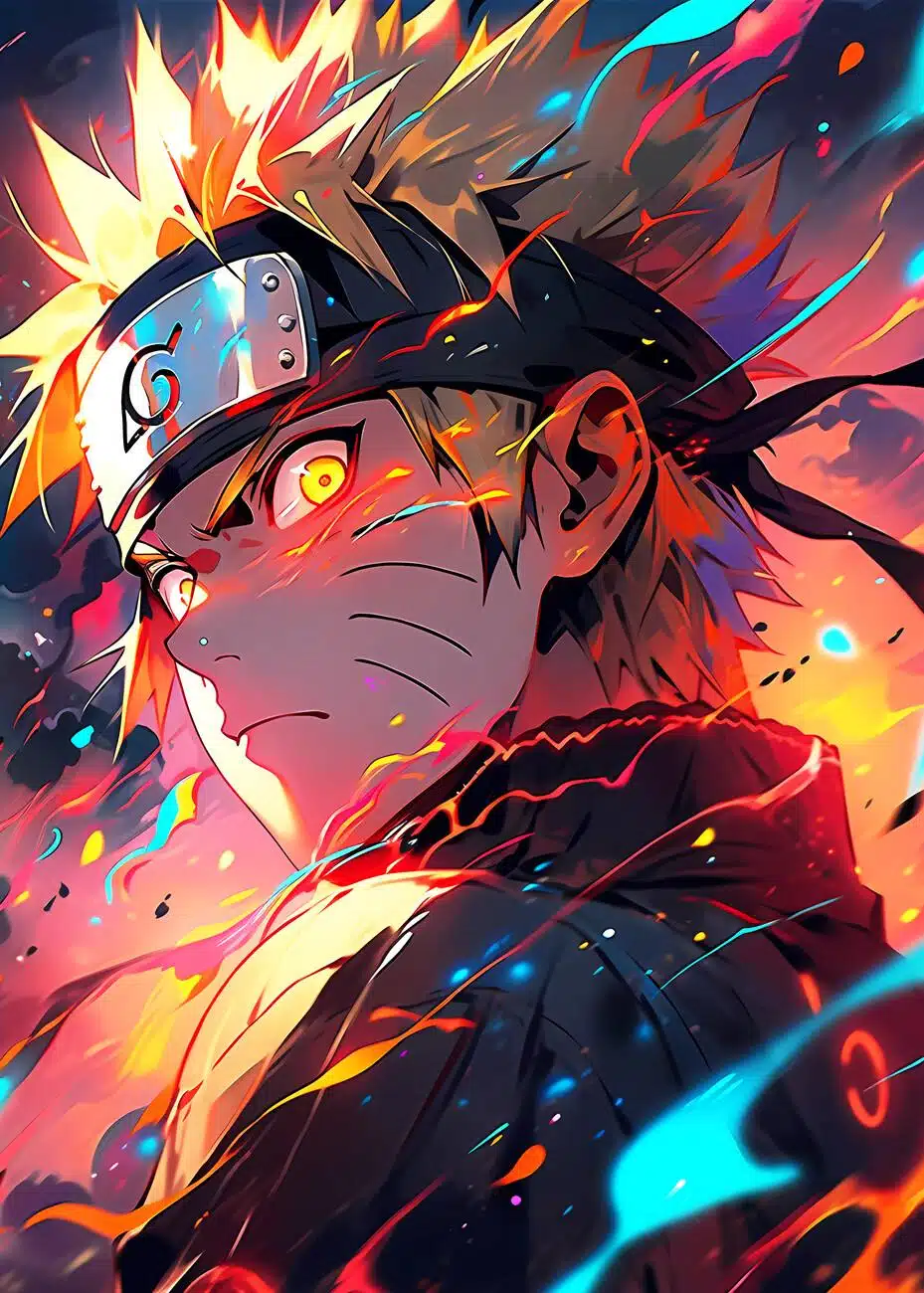
– What are the main characteristics of anime?
What is an anime? Anime is a distinctive form of animated entertainment that originated in Japan, characterized by its colorful artwork, vibrant characters, and fantastical themes. This unique art form has grown from humble beginnings into a global phenomenon, captivating audiences with storytelling that ranges from light-hearted to deeply philosophical.
Understanding Anime and Its Characteristics
Anime is often defined by its specific artistic style and storytelling methods. Unlike Western animation, which primarily targets children, anime spans various genres and caters to a diverse audience, including adults. Here are some key characteristics that define anime:
No products found.
Art Style and Visual Presentation
The visual artistry in anime sets it apart from traditional Western cartoons. The distinct anime art style involves:
- Exaggerated Facial Expressions: Characters often display heightened emotions through exaggerated facial features.
- Vivid Color Palettes: Anime showcases a wide range of colors, often in elaborate environments that enhance the storytelling.
- Dynamic Character Designs: Characters are designed to appear appealing and relatable, often with unique fashions and distinct, memorable traits.
Storytelling Techniques
What makes anime compelling is its approach to storytelling. Different from Western animation, anime employs various narrative frameworks, including:
No products found.
- Complex Characters: Anime tends to delve deeper into character development, presenting multi-faceted protagonists with intricate backstories.
- Cultural Themes: Many anime explore Japanese culture, traditions, and philosophies, offering viewers a glimpse into the life and societal values of Japan.
- Genre Diversity: Anime includes a spectrum of genres such as action, romance, horror, and fantasy, appealing to a broad range of tastes.
The Evolution of Anime
To truly comprehend what is an anime, it’s essential to trace its evolution from its inception to its current status as a global entertainment powerhouse.
Historical Background
Anime’s origins can be traced back to the early 20th century, primarily involving short animated films. A few significant milestones in anime history include:
- Silent Era: Early Japanese animation began with silent short films like “Namakura Gatana” (1917).
- Post-War Boom: After World War II, anime grew rapidly with filmmakers like Osamu Tezuka, known as the “God of Manga,” who laid the groundwork for modern anime storytelling.
- Global Recognition: In the 1990s, anime began to see global popularity, with shows like “Dragon Ball Z,” “Sailor Moon,” and ”Pokémon” paving the way for international audiences.
Modern Anime Trends
In today’s digital age, anime continues to evolve with the integration of new technologies and distribution methods, including:
- Streaming Services: Platforms like Netflix, Crunchyroll, and Funimation have made anime accessible worldwide.
- Webcomics and ONA: Original Net Animations (ONA) and adaptations from webcomics are becoming more commonplace, exposing new stories to audiences faster than traditional broadcasting.
Popular Genres in Anime
When considering what is an anime, it’s critical to explore the diverse genres it encompasses, each with its unique tropes, themes, and audiences.
Shonen and Shojo
These are two of the most popular genres in anime, catering to different demographics:
- Shonen: Targeted towards young males, this genre often features action, adventure, martial arts, and camaraderie. Popular series include “Naruto,” “One Piece,” and “My Hero Academia.”
- Shojo: Aimed at young females, shojo anime typically focuses on romance, relationships, and personal growth, with titles like “Fruits Basket” and “Sailor Moon.”
Seinen and Josei
These genres are designed for adult audiences, diverging into more complex narratives.
- Seinen: Targeting young adult men, seinen anime often entails darker themes and more intricate plots, such as “Attack on Titan” and ”Berserk.”
- Josei: This genre focuses on the lives of women and usually portrays more realistic relationships. Notable examples include “Nana” and “Paradise Kiss.”
Isekai and Slice of Life
Isekai is a popular sub-genre that highlights characters transported to another world.
- Isekai: These stories often revolve around adventure and self-discovery, such as ”Re:Zero” and “Sword Art Online.”
- Slice of Life: This shows the mundane aspects of daily life, often emphasizing character interactions rather than action-packed sequences. Anime like “March Comes in Like a Lion” exemplify this genre.
The Cultural Impact of Anime
What is an anime? More than just entertainment, anime plays a significant role in cultural expression, creativity, and community, influencing various fields.
Global Influence and Fandom
Anime has cultivated a vast global community, with fans engaging through various channels:
- Conventions: Events like Anime Expo and Comic-Con offer fans opportunities to interact, cosplay, and celebrate their favorite series.
- Fan Art and Music: Communities create fan art, remixes, and covers of anime songs, contributing to the broader cultural tapestry.
Driven by Technology
Advancements in technology have transformed how anime is produced and consumed:
- Animation Techniques: Innovative methods like CGI and digital streaming have revolutionized how anime storytelling can unfold.
- Social Media Influence: Platforms like TikTok and Instagram foster real-time fan engagement and content creation, propelling anime further into mainstream culture.
Viewing Anime: A Comprehensive Guide
For newcomers curious about what is an anime, understanding how to dive into this medium is essential.
Finding the Right Anime
Here are some tips for selecting the right anime series or film:
- Research Genres: Identify your preferences in genres (action, romance, horror) to narrow down potential series.
- Watch Trailers: Utilize trailers to gauge the aesthetic style and theme of a series.
- Seek Recommendations: Websites and communities like MyAnimeList and Reddit’s anime threads offer valuable reviews and recommendations.
Platforms to Watch Anime
Anime enthusiasts often utilize various platforms to access content:
| Platform | Features | Subscription Model |
|——————-|—————————————————-|————————|
| Crunchyroll | Extensive library of simulcasts and catalogs. | Free with ads, Premium membership available. |
| Funimation | Known for dubbed content and early access. | Subscription-based. |
| Netflix | Offers original anime series and classic titles. | Subscription-based. |
| Hulu | Wide selection of anime, including exclusives. | Subscription-based. |
Conclusion
In essence, understanding what is an anime encompasses recognizing its vivid art style, diverse genres, rich storytelling, and cultural impact. It’s a domain that transcends age and serves as a connecting force among fans globally. Learning about anime opens up a world of creativity and camaraderie, enriching lives with tales that resonate on multiple levels. Whether you choose to explore shonen, shojo, or slice-of-life genres, each series promises a journey filled with discovery, emotion, and artistry. For more on anime’s expansive universe, check out Anime History and Anime News Network.

