
– Is anime considered a form of cartoon?
Understanding what is the difference between anime and cartoon is essential for fans of animated media, as these two forms of entertainment, though often grouped together, possess distinct characteristics, styles, and cultural significance. While both anime and cartoons are forms of animated storytelling that can appeal to various audiences, they frequently reflect different artistic traditions, narrative styles, and thematic concerns that define their respective genres.
Defining Anime and Cartoon
Anime: A Distinct Cultural Art Form
Anime refers to a style of animation that originated in Japan and has grown to encompass a broad range of genres and themes. It is characterized by its colorful artwork, vibrant characters, and often complex storylines. Here are key features that define anime:
- Cultural roots: Anime frequently incorporates elements of Japanese culture, mythology, and societal issues. This can include specific artistic styles, character archetypes, and storytelling techniques rooted in Japanese traditions.
No products found.
- Diverse genres: Anime covers an extensive range of genres such as action, romance, horror, fantasy, and science fiction. Consequently, its target audience is not limited to children; there are genres aimed at teenagers and adults, such as shonen and seinen, which focus on mature themes.
- Artistic style: The visuals in anime are often marked by unique character designs, detailed backgrounds, and expressive facial expressions. This artistic choice helps convey emotions and themes effectively.
Cartoon: A Broader Concept
The term cartoon is typically used to describe animated television shows or films that come primarily from Western countries, particularly the United States. Although the visual styles of cartoons can vary significantly, several common characteristics define this genre:
- Western cultural themes: Cartoons often draw upon Western culture, humor, and societal norms. They touch on a wide range of themes, but often focus on comedy, slapstick humor, or moral lessons.
- Target audience: Many cartoons are primarily aimed at children, with engaging yet simple narratives. That said, there are also adult-oriented cartoons that delve into mature themes, such as The Simpsons and Rick and Morty.
No products found.
- Animation techniques: Cartoons tend to utilize traditional Western animation styles, which can differ significantly from anime, often involving simpler and exaggerated character designs and animation techniques.
Key Differences Between Anime and Cartoon
Artistry and Visual Style
One of the most noticeable differences when exploring what is the difference between anime and cartoon is their visual styles:
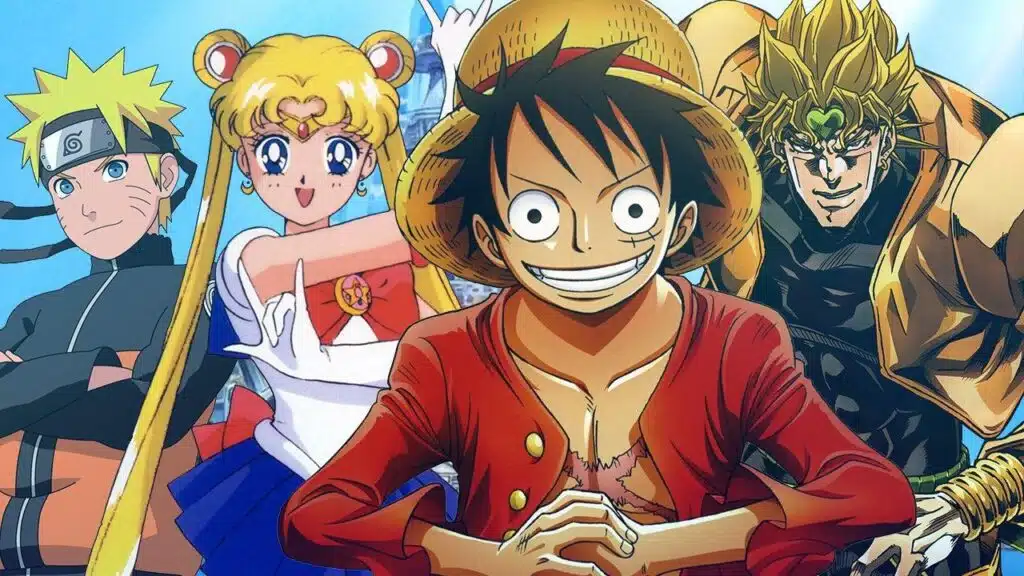
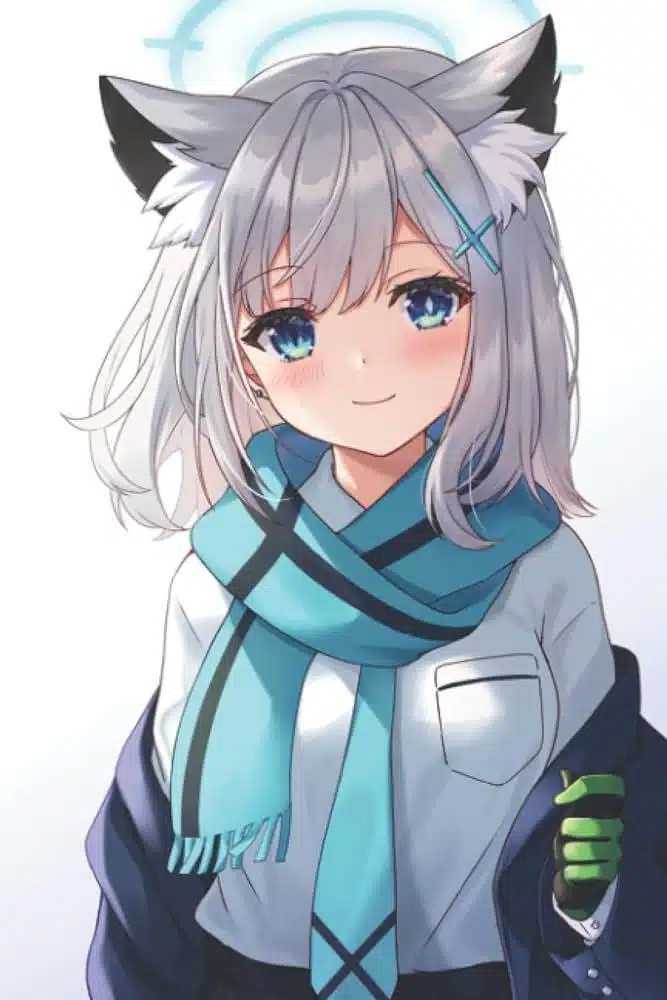
- Anime features richly detailed backgrounds and character designs that exhibit a wide color palette. Characters often have visually striking features like large, expressive eyes, intricate hairstyles, and detailed costumes.
- Cartoons, in contrast, typically focus on exaggerated and simplistic forms. While they can explore a unique visual flair, they usually prioritize humor or quickly recognizable characters over depth.
Storytelling Techniques
Another crucial distinction lies in their storytelling methods:
- Anime is renowned for intricate plotlines, character development, and emotional depth, often employing nonlinear narratives. Stories can range from epic sagas to intimate character studies that engage viewers on an emotional level.
- Cartoons generally adopt a more episodic format, where independent episodes feature one-off stories. While some series have overarching plots, traditional cartoons often emphasize humor and entertainment over complex narratives.
Genre Versatility in Anime and Cartoons
Anime’s Genre Diversity
Anime distinguishes itself through its extensive genre diversity:
- Shonen: Targeted at a teenage male audience, focusing on action and adventure (e.g., Naruto and One Piece).
- Shojo: Generally aimed at teenage girls, often centered around romance and relationships (e.g., Sailor Moon).
- Seinen: Features more mature themes intended for adult audiences (e.g., Attack on Titan and Death Note).
Cartoon Genre Overview
While cartoons also engage viewers through various genres, the focus is often on humor and straightforward storytelling, including:
- Educational cartoons: Designed to teach children basic skills or knowledge (e.g., Sesame Street).
- Animated series for adults: Tackle more serious or satirical themes (e.g., South Park).
Cultural Impact and Audience Reception
The Global Phenomenon of Anime
Anime has transcended domestic borders to become a crucial part of global pop culture. Its impact includes:
- Fandom and conventions: Annual events like Comic-Con and Anime Expo demonstrate the enthusiasm for anime, drawing fans from around the globe.
- Influence on Western creators: Many creators are inspired by anime’s distinctive storytelling techniques and artistic styles, incorporating these elements into their work.
The Lasting Legacy of Cartoons
Similarly, cartoons have left an indelible cultural impact:
- Iconic Characters: Characters like Mickey Mouse and Bugs Bunny have become cultural icons, representing not just animated art but significant achievements in entertainment history.
- Award-winning series: The rise of critically acclaimed adult animated series has redefined perceptions of cartoon shows and their potential storytelling depth.
Conclusion: The Clear Divide in Animation
when seeking to understand what is the difference between anime and cartoon, it becomes clear that while both forms share the broad medium of animation, they possess distinct characteristics that set them apart. From their cultural origins and artistic styles to their storytelling methods and audience reception, anime and cartoons represent two different philosophies of animated expression. Despite their differences, both genres continue to grow and evolve, contributing richly to the world of animation entertainment.
By appreciating the nuances between anime and cartoons, fans of animation can better enjoy a diverse array of storytelling techniques and artistic styles that each medium offers.

