

What are the defining characteristics of anime?
What makes anime anime? This question encapsulates the intricate and vibrant world of Japanese animation, with its unique characteristics, storytelling techniques, and cultural significance that set it apart from other forms of animated media. Anime has gained immeasurable popularity worldwide, captivating audiences with its diverse genres, distinctive visual styles, and profound themes. In this article, we will delve deeply into the elements that define anime, its historical evolution, artistic techniques, thematic depth, and global influence, providing you with a comprehensive understanding of what makes anime anime.
Key Characteristics of Anime
One of the primary reasons for the distinctiveness of anime is its defining characteristics. These attributes differentiate anime from Western animation and highlight what makes anime anime.
Unique Visual Style
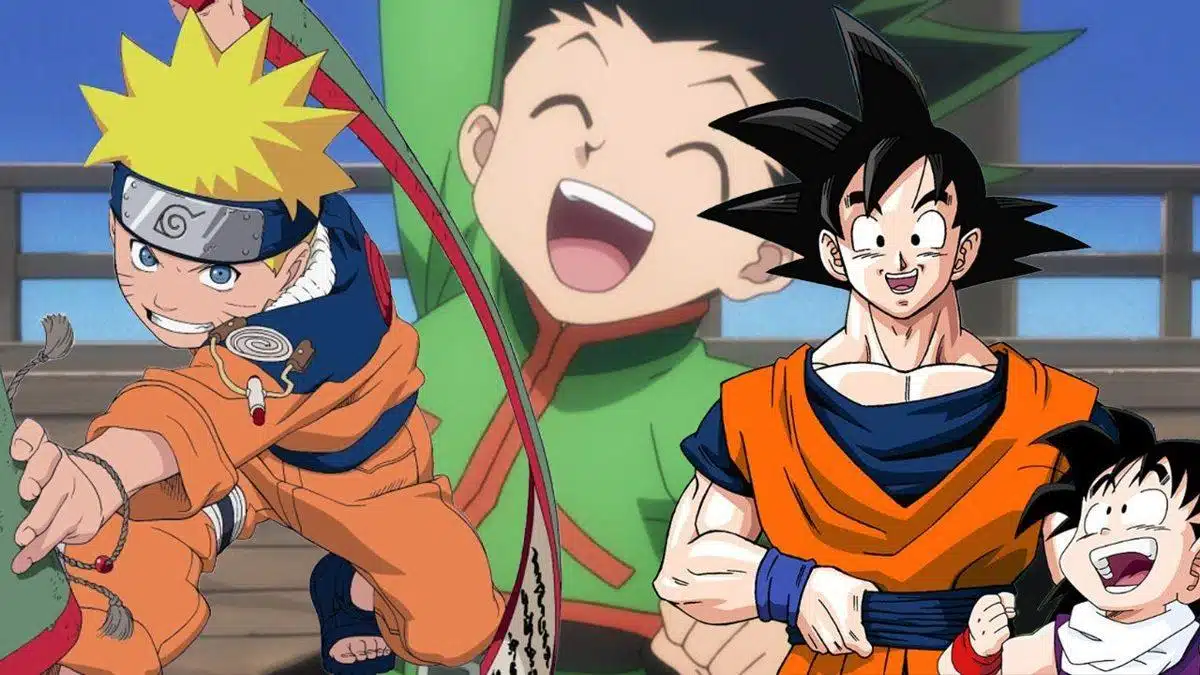
Anime is known for its striking visual aesthetics. The character designs often feature large, expressive eyes, exaggerated facial expressions, and elaborate hairstyles. These features are not merely stylistic choices; they serve to convey a range of emotions vividly. Additionally, the color palettes employed in anime vary greatly, from pastel shades to vibrant, saturated hues, setting a particular mood and tone for each story.
No products found.
Visual Elements in Anime
- Character Design: Exaggerated features to reflect emotions.
- Background Art: Detailed and immersive environments, often hand-painted.
- Color Utilization: Different color schemes set specific atmospheres.
| Aspect | Description | Examples |
|———————-|———————————————–|————————-|
| Character Design | Exaggerated proportions and features | Sailor Moon, Naruto |
| Background Art | Lush, hand-painted landscapes | Spirited Away, Your Name|
| Color Schemes | Emotional resonance through color choices | Attack on Titan, Demon Slayer|
No products found.
Narrative Complexity
Anime is renowned for its depth in storytelling. Unlike typical children’s animation, which may focus solely on lighthearted themes, anime tackles a broad array of subjects, from existential angst to complex moral dilemmas.
Themes Explored in Anime
- Love and Relationships: Explored across various demographics and genres.
- Ethics and Morality: Often set against the backdrop of fantastical worlds.
- Personal Growth: Characters often undergo profound transformations.
Cultural Integration
Cultural elements play a vital role in what makes anime anime. Many series incorporate traditional Japanese themes, folklore, and societal issues, making them not just entertainment but also a reflection of Japanese culture. For instance, anime may depict local festivals, culinary arts, or historical events, thereby enriching the viewer’s knowledge of Japan.
Genre Diversity
Anime encompasses an expansive range of genres, appealing to a wide variety of audiences. Popular genres include:
- Shonen: Targeted towards young males, featuring action and adventure (e.g., Dragon Ball, One Piece).
- Shojo: Aimed at young females, focusing on romance and relationships (e.g., Sailor Moon, Fruits Basket).
- Seinen and Josei: Catered to older teens and adults, often addressing more mature themes (e.g., Attack on Titan, Paradise Kiss).
The Evolution of Anime
Understanding the roots of anime is crucial to grasp what makes anime anime. The history of anime can be traced back to the early 20th century, but it gained remarkable traction in the 1960s with the work of Osamu Tezuka, often referred to as the ”God of Manga.”
Early Beginnings
- Pre-War Era: The earliest forms of Japanese animation appeared in the 1910s but did not gain mainstream popularity until the post-WWII period.
- Tezuka’s Influence: Osamu Tezuka introduced cinematic techniques to animation, which created a narrative depth previously unseen in animated works.
Rise of Popularity
- Television Boom: The 1960s and 70s saw the birth of many iconic titles that would shape the industry, such as Astro Boy and Speed Racer.
- Cultural Wave: The late 80s and 90s brought a new era known as the “Anime Boom,” popularizing anime internationally through shows like Dragon Ball Z and Sailor Moon.
Artistic Techniques in Anime
Another crucial aspect of what makes anime anime lies in its artistic techniques. Animation in Japan often employs unique methods that contribute to its distinctive look and feel.
Frame Rate and Animation Quality
Japanese anime typically utilizes a frame rate that allows for vivid action sequences, often opting for fewer frames to create dynamic movement. This technique can result in a style that feels fluid and energetic, distinguishing anime from conventional Western animation.
Key Techniques
- Limited Animation: Fewer frames used to create a smoother flow during crucial scenes.
- Dynamic Camera Angles: Use of camera techniques that enhance storytelling.
Sound Design and Music
The auditory experience in anime complements the visual feast, contributing to its emotional impact.
Elements of Sound Design
- Voice Acting: Talented voice actors often elevate characters’ personalities and emotional depth.
- Background Scores: Music plays a significant role in setting the tone and pacing of the narrative. Composers like Yoko Kanno and Joe Hisaishi are well-known for their iconic scores.
Themes and Motifs in Anime
What makes anime anime is not just its visuals but also its thematic depth. Many anime series explore profound philosophical, social, and personal themes that resonate with audiences.
Common Motifs
- Hero’s Journey: The archetypal protagonist embarking on adventures and facing trials.
- Friendship Bonds: Explores the importance of comradeship and cooperation.
- Identity and Self-Discovery: Characters often grapple with their identities against societal pressures.
Emotional Narratives
Anime frequently delivers emotional narratives that provoke thought and evoke feelings. The ability to combine artistic expression with storytelling leads to compelling, relatable tales that leave a lasting impact.
The Global Influence of Anime
As we examine what makes anime anime, we cannot ignore its global influence. Anime has transcended cultural boundaries, garnering a massive international following.
Worldwide Popularity
- Streaming Platforms: Services like Crunchyroll and Netflix have made anime more accessible. Their extensive libraries introduce global audiences to diverse series and films.
- Fan Conventions: Anime conventions around the world (like Anime Expo and conventions in Paris) celebrate Japanese pop culture and bring fans together.
Cultural Exchange
As anime spreads globally, it influences and integrates with other forms of media. Western animation has drawn inspiration from anime aesthetics and storytelling techniques.
Conclusion: What Makes Anime Anime
what makes anime anime is a confluence of artistic styles, narrative complexity, cultural nuances, and emotional depth. It is a unique medium that captures the imagination of fans across the globe, transcending cultural barriers. From its historical roots in the early 20th century to its contemporary status as a global phenomenon, anime continues to evolve while remaining true to its core characteristics. This intricate world of storytelling offers more than just visual enjoyment; it provides insightful reflections on society, identity, and the human condition.
As you explore the vibrant universe of anime, you’ll discover that its ability to resonate with a diverse audience is what truly makes anime anime.
For further exploration into the influence of anime on global culture, check out this insightful Forbes article.
To learn more about the historical development of anime, visit this comprehensive Anime News Network feature.

