

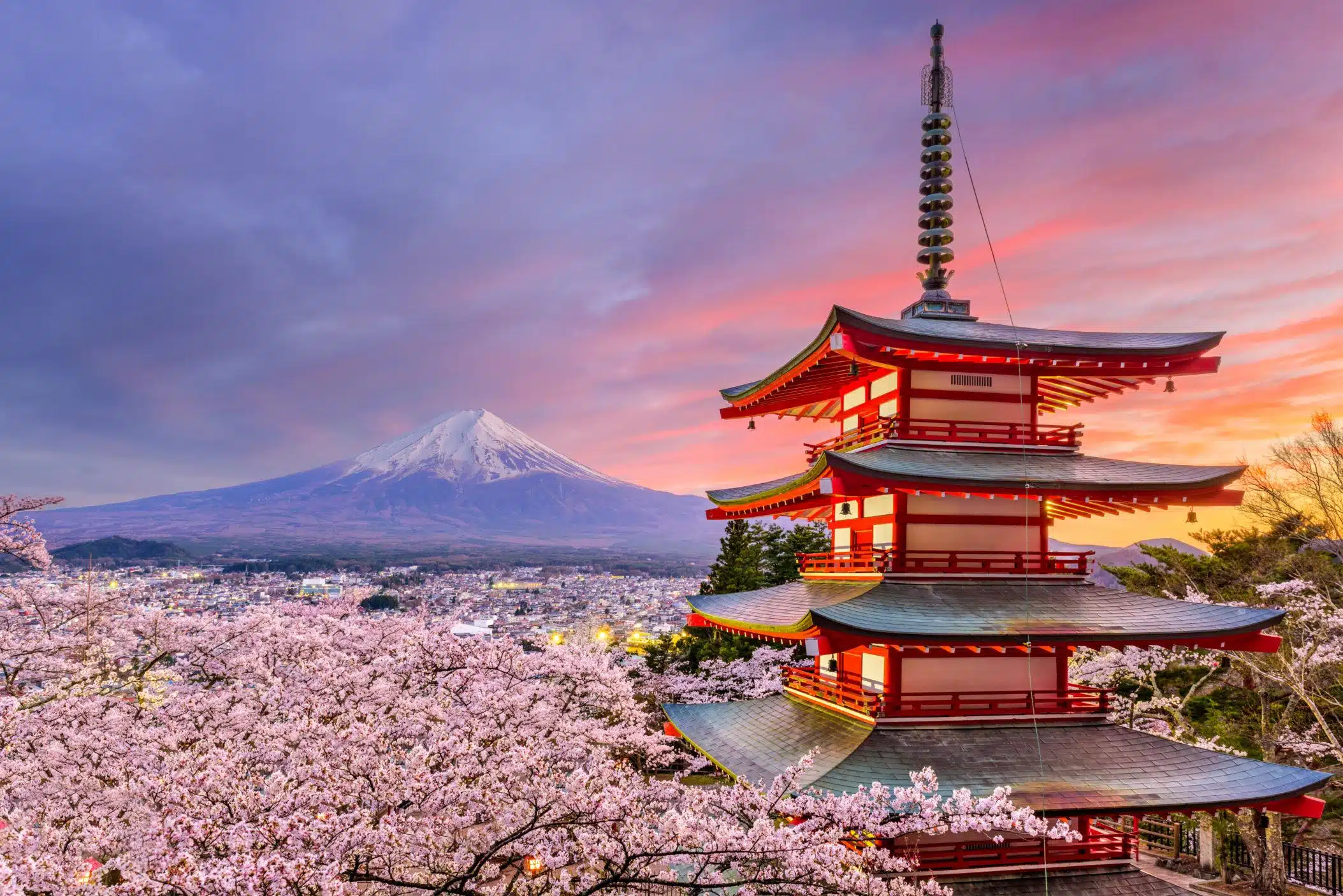
What prefecture is Tokyo located in?
What region is Tokyo in? This is a common question among travelers and those interested in the geography of Japan. Tokyo, famous for its bustling streets, rich culture, and advanced technology, is not just a standalone city; it is a significant part of a broader region that contributes to its unique identity and importance. In this article, we’ll delve into the region of Tokyo, exploring its geographical, cultural, and economic aspects, as well as understanding the factors that make it a central hub in Japan.
Understanding the Kanto Region
Tokyo is situated in the Kanto region, which is located in the eastern part of Honshu, the main island of Japan. The Kanto region is one of the most populous and economically important areas in Japan, housing not only Tokyo but also several neighboring prefectures. This vibrant region includes the following prefectures:
No products found.
- Tokyo
- Chiba
- Kanagawa
- Saitama
- Ibaraki
- Tochigi
- Gunma
No products found.
This geographic area is characterized by a blend of urban landscapes and natural beauty, making it a prominent region for both residents and tourists alike.
Geographical Significance of the Kanto Region
The geographical layout of the Kanto region contributes to Tokyo’s prominence. Several key factors enhance the significance of Tokyo within this region:
- Topography: The Kanto region features a mix of plains and hills, ideal for urban development. The Kanto Plain is the largest flat area in Japan, facilitating extensive city planning and agricultural practices.
- Transportation Hub: Tokyo serves as a central transportation hub in Japan. The development of extensive rail networks, including the famous Shinkansen (bullet trains), enables efficient connections not only within the Kanto region but also to other parts of the country.
- Natural Resources: The region is blessed with a variety of natural resources, from rivers and lakes to densely wooded areas, which enrich both the urban environment of Tokyo and the rural landscapes in surrounding prefectures.
Cultural Attributes Within the Kanto Region
The cultural fabric of the Kanto region profoundly influences Tokyo as a city. Here are a few key cultural elements:
- Historical Landmarks: The Kanto region boasts numerous historical and cultural sites, including the iconic Meiji Shrine and the historic Yanaka district, reflecting the rich past and traditions of Japan.
- Festivals: The Kanto region is famous for its seasonal festivals (matsuri), which highlight traditional practices, local cuisine, and the community spirit. For instance, the Sanja Matsuri held in Asakusa draws millions of visitors each year.
- Culinary Delights: The culinary landscape in Tokyo, influenced by its surroundings, offers diverse choices ranging from traditional Edo-style sushi to innovative fusion dishes. Regions like Kanagawa and Chiba contribute to Tokyo’s thriving food scene with fresh seafood and produce.
Economic Importance of Tokyo Within the Kanto Region
Tokyo is not only Japan’s capital but also an economic powerhouse within the Kanto region and beyond. Here are some factors that underline its economic significance:
- Business Districts: The city is home to major business districts such as Shinjuku, Shibuya, and Tokyo Station, which house both local and multinational corporations.
- Financial Capital: As a major financial center, Tokyo hosts the Tokyo Stock Exchange, one of the largest stock exchanges in the world, making it a vital player in the global economy.
- Tourism Industry: With its rich cultural offerings, Tokyo attracts millions of tourists annually, significantly impacting the local and national economy.
Living in Tokyo: A Perspective from the Kanto Region
For those considering residing in Tokyo, understanding its role within the Kanto region is crucial. The city offers an urban lifestyle rich in amenities, services, and opportunities.
- Residential Areas: Diverse neighborhoods in Tokyo, such as Harajuku, Ginza, and Akihabara, cater to various lifestyles and preferences, providing options for families, singles, and students alike.
- Education and Innovation: The Kanto region, particularly Tokyo, boasts some of the best educational institutions, spurring innovation and attracting students from around the globe.
- Transport Efficiency: The extensive public transport network, including metros and trains, ensures easy commuting, making it an attractive place for residents working in surrounding areas.
Exploring Other Prefectures in the Kanto Region
While Tokyo is a major draw, the Kanto region is home to a range of attractions and experiences in its neighboring prefectures worth exploring.
- Chiba: Known for its beautiful coastline and amusement parks like Tokyo Disneyland, Chiba offers a blend of natural beauty and entertainment.
- Kanagawa: Home to Yokohama, Kanagawa is famous for its port city atmosphere and stunning views of Mount Fuji, drawing in both locals and international tourists.
- Saitama: Featuring attractions such as the historic town of Kawagoe and scenic parks, Saitama serves as a peaceful yet accessible retreat from the city’s hustle and bustle.
Environmental Considerations in the Kanto Region
Understanding the environmental aspects of Tokyo and the Kanto region is also important for residents and visitors. Here are some key points:
- Urban Green Spaces: Despite its dense urbanization, Tokyo is known for its numerous parks and green spaces, such as Ueno Park and Shinjuku Gyoen, which offer residents and visitors a respite from the urban landscape.
- Sustainable Development: As a global city, Tokyo has undertaken numerous initiatives to promote sustainable urban living, including recycling programs and energy-efficient public transport systems.
- Disaster Preparedness: Given Japan’s vulnerability to earthquakes and typhoons, the Kanto region has stringent disaster preparedness plans in place, ensuring the safety of its residents.
Conclusion
Answering the question, “What region is Tokyo in?” reveals a complex interplay of geography, culture, and economy that shapes this remarkable city. Situated in the Kanto region, Tokyo stands as a beacon of modernity while embracing its historical roots. The region’s rich tapestry contributes significantly to Tokyo’s identity, making it a vital hub not just in Japan but in the world. Whether you are planning to visit, explore, or reside in Tokyo, understanding its regional context will enrich your experience and appreciation of this dynamic metropolis.
By exploring the Kanto region’s attributes, visitors can gain deeper insights into what makes Tokyo unique and its enduring allure in global culture and commerce. To learn more about Japan’s diverse regions, check out resources like the Japan National Tourism Organization and Visit Chiba.
Embrace the Tokyo experience, and enjoy the richness and diversity this incredible region has to offer.

