
1. Introduction
Marriage is a major life event for many people, but in Japan, the number of couples getting married is decreasing. According to the Japanese Ministry of Health, Labour and Welfare, the marriage rate has dropped by more than 40% since 1970. This decline has been attributed to a variety of factors, including changing attitudes towards marriage and family life, the cost of weddings and ceremonies, and the influence of career opportunities on marital decisions. In this article, we will explore why fewer Japanese people are getting married and examine the impact this phenomenon is having on society.
2. Reasons for the Decline in Marriage Rates
The primary reason behind Japan’s declining marriage rate is its aging population. As more and more people reach retirement age, there are fewer younger people entering into marriages. Additionally, Japan’s birth rate has been steadily declining for decades due to a combination of factors such as women delaying marriage until later in life or choosing not to marry at all. The result is that there are fewer potential partners available for those who do choose to marry.
3. Cost of Weddings and Ceremonies
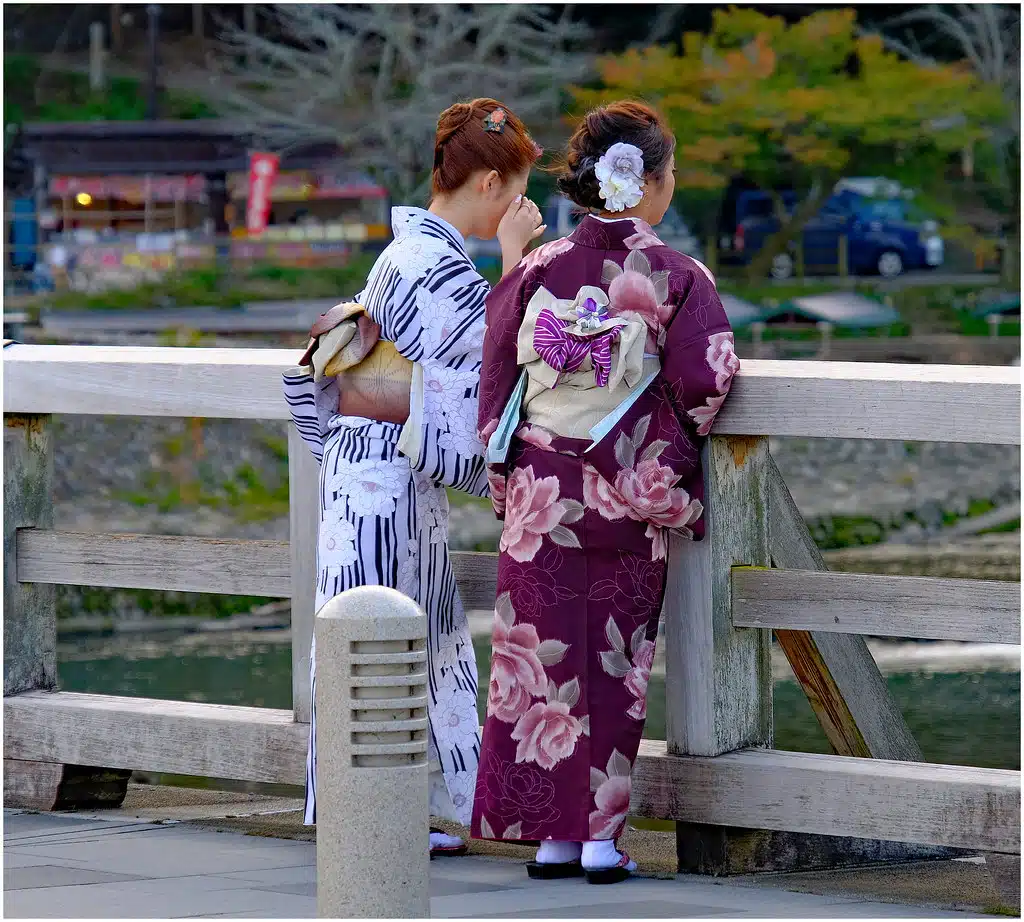
Another factor contributing to Japan’s declining marriage rate is the cost associated with traditional wedding ceremonies and receptions. In Japan these events can be quite expensive due to elaborate traditional customs such as wearing kimonos or hiring professional photographers or videographers for the occasion. For many couples who have limited financial resources, these costs can be prohibitively expensive, leading them to either delay or forego their plans altogether.
4. Changing Attitudes Towards Marriage and Family Life
In addition to financial considerations, changing attitudes towards marriage have also played a role in Japan’s declining marriage rate. In recent years there has been an increase in couples choosing not to get married due to concerns about commitment or long-term compatibility issues. Couples may also opt out of marriage due to concerns about losing their independence or fear that their relationship could become too traditional if they were married under Japanese law.
No products found.
5. The Impact of Social Media on Relationships
The rise of social media has also had an impact on relationships in Japan as it has around the world. It has become increasingly common for couples to meet online rather than through traditional methods such as matchmaking services or introductions from friends and family members which used to be more common in previous generations. This shift towards online dating can make it easier for individuals who are not ready for a serious relationship to find partners without committing themselves fully through marriage which can further reduce overall marriage rates in Japan over time.
6 The Influence of Career Opportunities on Marital Decisions
Finally, career opportunities play an important role when it comes to marital decisions among Japanese couples today as well as historically speaking; many women have chosen not to marry if they believe that doing so would interfere with their career prospects or prevent them from achieving financial independence from their families.This trend has become even more pronounced in recent years with rising levels of education among young women making it easier for them pursue successful careers without relying on a husband’s income or support system.
7 Government Initiatives To Encourage Marriage And Fertility
In response to these trends,the Japanese government has implemented various initiatives aimed at encouraging both marriage and fertility rates.These include providing subsidies for couples who decide get married,offering tax incentives,and expanding access childcare services.While these measures have had some success,they have yet failed significantly reverse decline overall.
8 Conclusion
Overall,there are various factors contributing decline in marriages among Japanese citizens including financial considerations,changing attitudes toward relationships,social media use,career opportunities,government initiatives.While these measures may help encourage some couples tie knot eventually,it unlikely that they will reverse trend completely.
9 References
🇯🇵 Japan lovers, don’t miss these essential picks for learning and travel!
No products found.
No products found.
Why aren t Japanese people getting married?
A quarter of Japanese people in their 30s say they do not plan to marry. Analysts say this is due to growing financial pressures and the desire to live without social obligations.
Why do Japanese people stay single?
In a recent report many women said they do not want to get married because it will add additional burdens to household chores such as raising children and caring for elderly parents. Many men cited unstable work or lack of income to sustain a marriage.
What is the Japanese celibacy problem?
Celibacy syndrome (Japanese: シェックしい病病症 Sekkusu Shinai Shokogun) is a media hypothesis that suggests that an increasing number of Japanese adults have lost interest in sexual activity as well as in marriage and romantic love.
What is the divorce rate in Japan?
Divorce Statistics by Country (per thousand persons/year) Country Continent Rate Percentage Japan Asia 35.42 Jordan Asia 26.87 Kazakhstan Asia 34.2563 Other Rows
Is it hard to get married in Japan?
The marriage process in Japan can be done with relatively little fanfare. A couple is technically officially married when the marriage is registered and approved at a local government office. This is a very quick process.
Is hookup culture common in Japan?
Courtship and casual courtship are prohibited. Relationships are not particularly respected in other countries but they are accepted as part of society. However in Japan human relations are considered dirty and this is mainly the opinion of religious people.
