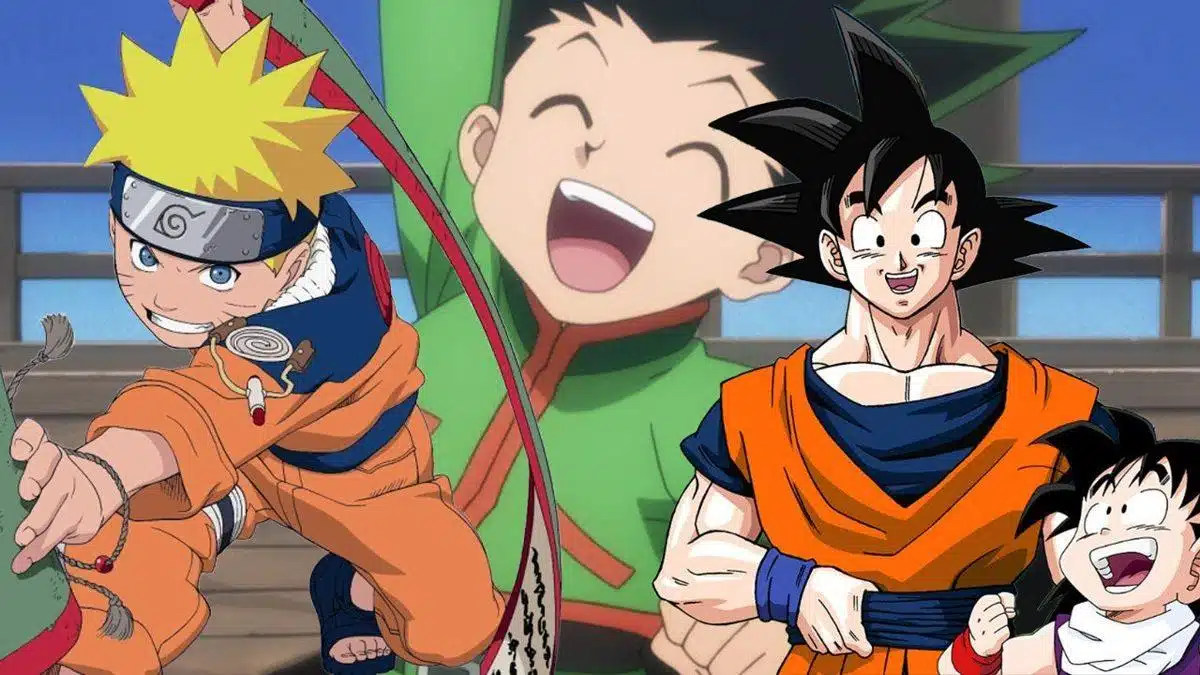
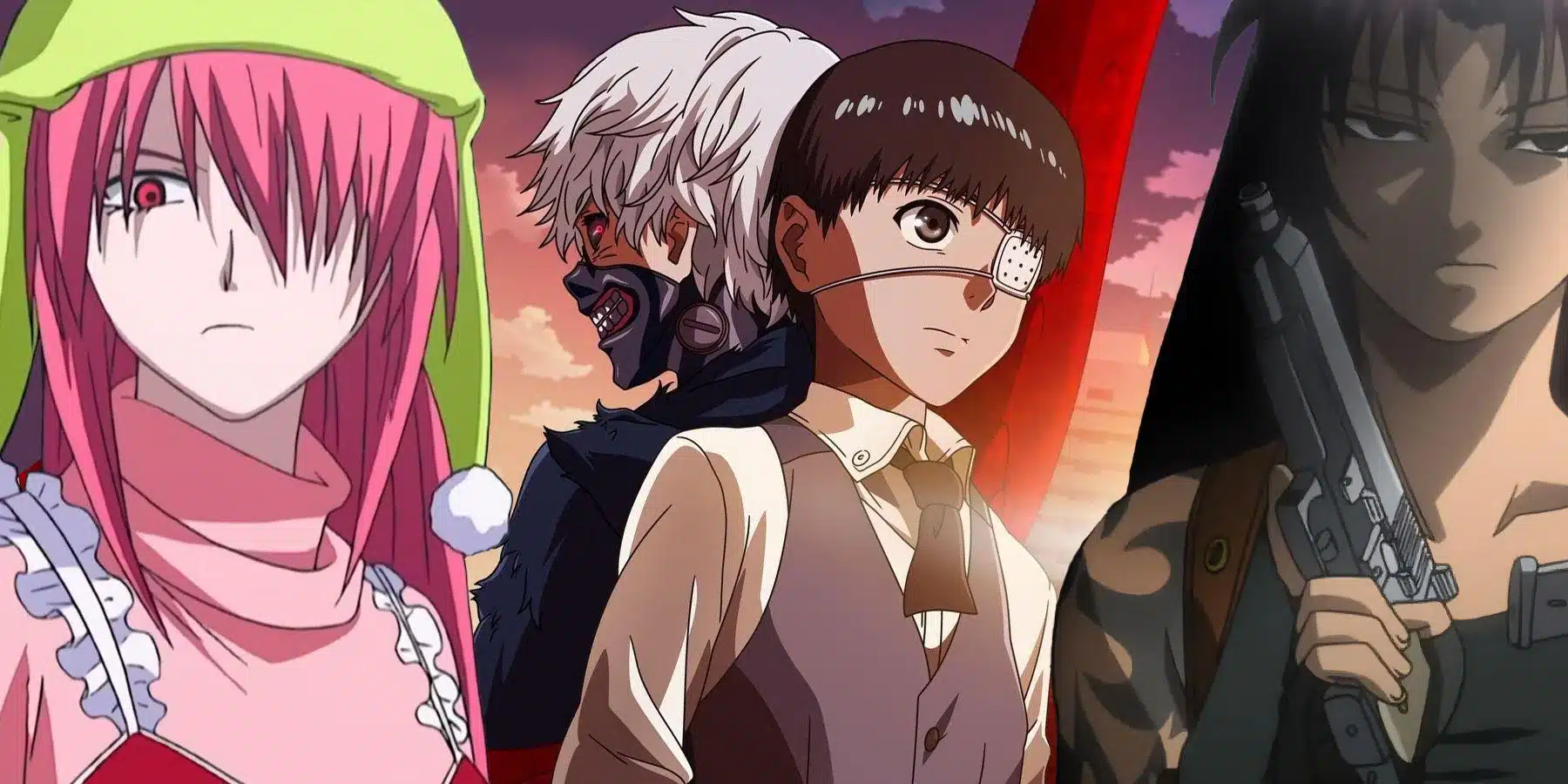
Why are nosebleeds associated with sexual arousal in anime?
In anime and manga, a peculiar trope that often raises eyebrows among newcomers is the phenomenon where characters experience nosebleeds. Why do anime characters get nosebleeds? This recurring visual gag has become a staple in many popular series, symbolizing various situations ranging from embarrassment to sexual arousal. This article will explore the origins, meanings, and various contexts of this quirky anime trope, delving into cultural nuances and psychology that underpin it.
Understanding the Significance of Nosebleeds in Anime
Anime nosebleeds primarily serve as a comedic device. When a character experiences a sudden nosebleed, it is usually intended to convey strong emotions that might be embarrassing, excited, or even lustful. Understanding the origins and cultural meanings can help fans better appreciate this unique aspect of anime storytelling.
Japanese Cultural Context
In Japan, the nosebleed motif is deeply rooted in the cultural portrayal of sexuality and embarrassment. The notion of nosebleeds as a bodily reaction to arousal or embarrassment can be traced back to ancient understandings of human emotions. According to Japanese tradition, experiencing a nosebleed signifies a loss of control over one’s emotions.
No products found.
the cultural context surrounding why anime characters get nosebleeds provides important insights into how emotions and social taboos are navigated in Japanese media.
The Evolution of the Nosebleed Trope
The trope has evolved over the decades, becoming popularized through various anime and manga series. Characters may experience sudden nosebleeds during moments of heightened excitement, such as witnessing an attractive character or becoming overly embarrassed.
Key Characteristics of the Nosebleed Reaction
- Common Scenarios: Nosebleeds typically occur in comedic situations or romantic contexts, often in the presence of an attractive character.
- Physical Reactions: Characters may cover their faces in shock or rapidly back away, emphasizing the humorous or exaggerated nature of such moments.
- Character Representation: The type of character who experiences a nosebleed can vary, ranging from timid individuals to otherwise stoic figures.
No products found.
Psychological Underpinnings of the Nosebleed Reaction
From a psychological perspective, why anime characters get nosebleeds can relate to the expression of deep-seated emotions. Such expressions often represent a social critique of Japanese society, where overt displays of affection are often suppressed.
Relating Physical Reaction to Psychology
- Embarrassment and Shame: A nosebleed can symbolize an uncontrollable reaction to shame or embarrassment, reflecting societal norms surrounding sexuality and attraction.
- Intense Emotions: The body’s physiological response (in this case, nosebleeds) can illustrate extreme emotional states that challenge societal expectations.
The Symbolism of Blood in Japanese Culture
Blood is often a powerful symbol in many cultures, and in Japan, the physical manifestation of a nosebleed can indicate various states of being, including passion or the loss of composure. This cultural symbolism enriches the narrative context of why anime characters get nosebleeds, as it often intertwines with themes of desire and emotional vulnerability.
Sex and Attraction
Another significant aspect of this trope is its connection to sexual attraction. When characters experience a nosebleed after encountering something sexually arousing, it can serve as both comedic relief and a playful nod to the audience regarding the exploration of themes related to intimacy.
Notable Examples of the Nosebleed Trope in Popular Anime
Several well-known anime series have exemplified the nosebleed trope, making it a recognizable part of anime culture.
Classic Examples
- Ranma ½: This series prominently featured characters who suffered nosebleeds in various situations, amplifying the comedy through exaggerated physical reactions.
- One Piece: The character Sanji frequently gets nosebleeds upon seeing beautiful women, illustrating his exaggerated romantic persona.
- Ouran High School Host Club: This series employs nosebleeds as a humorous way to depict characters dealing with tension in romantic situations.
The Tropes in Modern Anime
Contemporary anime also creatively utilize the nosebleed trope, finding new ways to represent it that resonate with current audiences.
- My Hero Academia: Characters under stress or arousal show signs of nosebleeds, embedding the trope in action-packed scenes.
- Demon Slayer: In moments of trepidation combined with vulnerability, nosebleeds are seamlessly woven into the narrative.
Comparative Cultural Analysis
It’s interesting to note that while other cultures possess different physical manifestations of shock or attraction—such as fainting or blushing—why anime characters get nosebleeds helps contextualize cultural specificities that define humor and emotional expression in Japanese media.
Artistic Elements Supporting the Nosebleed Trope
The visual and artistic representation of nosebleeds serves to emphasize their significance in the narrative. Anime artists utilize specific styles and techniques to create memorable moments surrounding these reactions.
Visual Styles
- Exaggeration: Artists often exaggerate the flow and volume of blood from the characters’ noses, amplifying the humor and shock value.
- Facial Expressions: Accompanying shock or embarrassment, the character’s facial expressions enhance the comedic context, making the situation immediately relatable to viewers.
Color Symbolism
Blood is often colored vividly to emphasize the emotional impact of the situation, contributing to the overall aesthetic of the anime and adding layers to the narrative.
Impact of the Nosebleed Trope on Anime Culture
The nosebleed trope has transcended its comedic origins, becoming a defining feature of the genre and a symbol of anime itself. It has also sparked discussions on the portrayal of relationships, sexuality, and personal expression in Japanese media, influencing both creators and audiences alike.
Influencing Creators and Artists
Many contemporary artists acknowledge the trope’s relevance and its potential for humor, often incorporating it into new narratives while evolving the traditional elements that define its use.
Audience Reception and Interpretation
For audiences, why anime characters get nosebleeds resonates across cultures as both an amusing and curious trope, allowing for discussions on nuanced cultural themes and emotional expression.
Memes and Social Media
In the age of social media, the nosebleed trope has become popular in meme culture, often used to express surprise or hype around specific themes in pop culture beyond just anime.
Conclusion
the question, why do anime characters get nosebleeds?, opens a fascinating dialogue into Japanese culture, psychology, artistic expression, and societal norms regarding emotion and attraction. Understanding the origins and contexts of this trope enriches the viewing experience for anime fans and deepens their appreciation for the medium’s artistic and narrative potential. Whether used for humor, emotional depth, or cultural commentary, nosebleeds remain an iconic symbol that captures the essence of interpersonal dynamics within the vibrant worlds of anime and manga.
For further insights on anime culture and tropes, visit this site or explore this article on character development and representation in anime.