Where is the prettiest part is Japan?

Where is the prettiest part is Japan?

This article is a comprehensive guide to the prettiest parts of Japan, including Hokkaido, Kyoto, Miyajima Island, Takayama, Naoshima Island, Kamikochi, Nara, Okinawa, Kawagoe, Amanohashidate, Mount Fuji, and Tokyo. Each destination is described with its unique natural beauty or historical significance that makes it worth exploring. The guide aims to help travelers decide where to go on their next trip to Japan.
Why does Japan get so hot?

Why does Japan get so hot?

The climate of Japan is influenced by its location in a temperate zone and its proximity to the Pacific Ocean, which brings warm, moist air masses that increase humidity levels. Typhoons also contribute to the hot weather, but can regulate temperature by bringing cooler air masses. The urban heat island effect exacerbates high temperatures in cities like Tokyo. Global warming is making Japan hotter, leading to more frequent and intense heatwaves. Air conditioning usage is high but can contribute to global warming. Traditional Japanese architecture takes advantage of natural ventilation and shading to stay cool in the summer. Staying hydrated is crucial during hot weather, and agriculture can be impacted by high temperatures and humidity levels. While the hot weather may deter some tourists, attractions like beaches and outdoor activities remain popular. Disaster preparedness measures are important due to Japan's susceptibility to natural disasters. As global warming worsens, it's essential for individuals, businesses, and governments to take action to reduce greenhouse gas emissions and adapt to the changing climate.
Do Japanese kids get summer off?

Do Japanese kids get summer off?

Japanese students do get summer vacation, which usually lasts for six weeks from late July to the end of August. The purpose of summer vacation is to provide students with a break from their studies and allow them to pursue other activities that can help them develop their skills and interests. However, some schools in Japan follow alternative school systems that do not have summer vacation or have a shorter summer break. As the Japanese government continues to focus on improving education standards and promoting internationalization, there may be changes to the duration and structure of summer vacation in Japan.
Do you go to school 6 days a week in Japan?

Do you go to school 6 days a week in Japan?

Japanese schools do not always operate on a six-day week, but some schools have classes on Saturdays to provide more time for students to study and prepare for entrance exams. Education is highly valued in Japan, reflected in the country's literacy rate, but the pressure to succeed can lead to high levels of stress and anxiety among students. Efforts have been made by the government and schools to address school-related stress. The Japanese education system continues to adapt to changing times and global demands with new policies and initiatives.
Is Japan crowded in July?

Is Japan crowded in July?

July is a popular time to visit Japan, but it can be crowded due to various reasons such as the weather, summer break for students, festivals and events, peak tourist season, the Olympics, transportation crowds, and popular destinations. However, there are also less crowded destinations to consider. Visitors should plan ahead and book accommodations and attractions in advance, consider visiting lesser-known destinations, stay hydrated and wear sunscreen while exploring outdoors. Despite the crowds, visiting Japan in July has its benefits such as warm weather and many festivals and events.
Is it worth going to Japan in June?

Is it worth going to Japan in June?

This article explores the pros and cons of traveling to Japan in June. While it marks the beginning of summer, it is also the rainy season, which can make exploring outdoors challenging. However, June offers unique festivals, delicious summer foods, and beautiful scenery to enjoy. Additionally, it is considered low season in Japan, which means that prices for flights, accommodations, and activities may be lower than during peak tourist season. Visitors should plan ahead and be prepared for occasional rain and moderate crowds at popular attractions.
What is July like in Japan?

What is July like in Japan?

July in Japan is a busy month with various events and festivals being held across the country. The weather is hot and humid, with temperatures ranging from 25-35°C (77-95°F), and rain showers are common. Events and festivals include the Gion Matsuri in Kyoto, Tanabata Festival, fireworks displays, traditional dances such as Bon Odori, outdoor markets, cultural experiences, seasonal summer foods, shopping sales on summer merchandise, nature hikes and outdoor sports activities. There is something for everyone to enjoy during July in Japan.
Why are Japanese houses made of paper?

Why are Japanese houses made of paper?

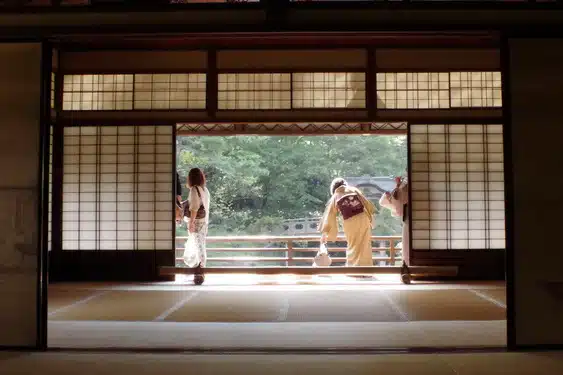
Japanese houses are often made of paper, specifically a strong and durable paper called washi made from mulberry trees. The use of paper walls and doors allows for natural light to permeate through the house, creating a warm and inviting atmosphere while also providing insulation. Traditional Japanese houses prioritize function over form, with minimalist design and specific principles in mind. They are also designed to be flexible and adaptable, with movable walls that can be adjusted according to residents' needs. Despite the use of paper walls and doors, privacy is still a priority in Japanese houses. Modern Japanese houses combine traditional elements with modern technology and design.
Is Japan too hot in August?

Is Japan too hot in August?

This article explores whether Japan is too hot in August, taking into account factors such as temperature, humidity, and precipitation. August is one of the hottest months in Japan with temperatures ranging from 30-35°C (86-95°F) and high humidity levels. However, with proper planning and preparation, it is possible to enjoy cultural events and attractions that Japan has to offer during this peak tourism season. Recommendations include visiting areas with cooler temperatures, staying hydrated, and being prepared for rain.
How hot is Japan in July and August?

How hot is Japan in July and August?

July and August are the hottest months in Japan, with temperatures ranging from 25-35°C depending on the region. The combination of heat and humidity can make it feel much hotter than the actual temperature, leading to health problems if proper precautions are not taken. It is important to stay hydrated, wear lightweight clothing, and stay in air-conditioned areas. Japan also experiences typhoon season during these months, so it is important to stay informed about any warnings or advisories. Despite the heat and potential for typhoons, there are many festivals, beaches, and delicious produce available during these months that make Japan a great place to visit.