Is Japan crowded in July?

Is Japan crowded in July?

July is a popular time to visit Japan, but it can be crowded due to various reasons such as the weather, summer break for students, festivals and events, peak tourist season, the Olympics, transportation crowds, and popular destinations. However, there are also less crowded destinations to consider. Visitors should plan ahead and book accommodations and attractions in advance, consider visiting lesser-known destinations, stay hydrated and wear sunscreen while exploring outdoors. Despite the crowds, visiting Japan in July has its benefits such as warm weather and many festivals and events.
Is it worth going to Japan in June?

Is it worth going to Japan in June?

This article explores the pros and cons of traveling to Japan in June. While it marks the beginning of summer, it is also the rainy season, which can make exploring outdoors challenging. However, June offers unique festivals, delicious summer foods, and beautiful scenery to enjoy. Additionally, it is considered low season in Japan, which means that prices for flights, accommodations, and activities may be lower than during peak tourist season. Visitors should plan ahead and be prepared for occasional rain and moderate crowds at popular attractions.
When did the last tsunami hit Japan?

When did the last tsunami hit Japan?

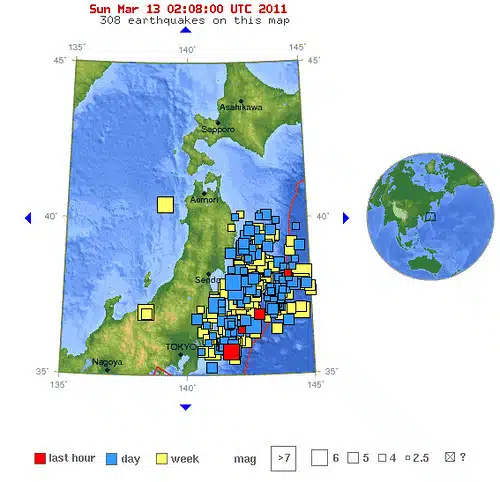
The last major tsunami to hit Japan occurred in 2011 as a result of a magnitude 9.0 earthquake that triggered massive waves, causing widespread destruction and killing thousands of people. The tsunami also caused a nuclear disaster at the Fukushima Daiichi Nuclear Power Plant, which forced the evacuation of over 100,000 people. Japan has since launched a massive recovery effort and made significant progress in recovering from the disaster, although there are still areas that are struggling to fully recover. Japan has a sophisticated warning system in place to alert people of potential tsunamis and is investing in disaster preparedness and response measures to reduce the impact of future disasters.
Should I be worried about earthquakes in Japan?

Should I be worried about earthquakes in Japan?

This article discusses the likelihood of earthquakes in Japan, their history, and the measures taken to prepare for them. Japan is located on the Pacific Ring of Fire, an area known for frequent seismic activity. The country has a long history of destructive earthquakes, including the 2011 earthquake and tsunami that left over 15,000 people dead or missing. However, Japan has developed extensive preparedness measures to minimize damage and loss of life, including strict building codes and advanced warning systems. Individuals can also take steps to prepare themselves for emergencies. Despite the risk of earthquakes, Japan is continually improving its preparedness measures through research and new technologies for early warning systems.
How many tsunamis happen a year in Japan?

How many tsunamis happen a year in Japan?

Japan experiences an average of three tsunamis per year due to its location on the Pacific Ring of Fire, which is prone to earthquakes and volcanic activity. The country has a long history of devastating tsunamis, including the Great East Japan Earthquake and Tsunami in 2011 that killed over 15,000 people. Japan has developed one of the most advanced tsunami warning systems in the world using seismographs and water level sensors to detect earthquakes and tsunamis. The government has also implemented measures such as building seawalls, zoning regulations, and evacuation plans to prevent or mitigate damage caused by tsunamis.
How many people are still missing from the Japan tsunami?

How many people are still missing from the Japan tsunami?

Ten years after the earthquake and tsunami that hit Japan in 2011, the search for missing individuals is ongoing. The destruction caused by the disaster resulted in the loss of many lives, and various organizations are still working tirelessly to find those who are still unaccounted for. The search involves various challenges, including difficult-to-access areas and decomposed remains. Technology and volunteers have played a significant role in the search, while counseling services are available to support families dealing with emotional impact. Closure is essential for families, emphasizing the importance of preparedness in the face of natural disasters.
Do Japanese hot springs allow tattoos?

Do Japanese hot springs allow tattoos?

Tattoos are still stigmatized in Japan and many businesses, including hot springs and gyms, prohibit customers with visible tattoos from entering their facilities due to their association with gang culture. However, some Japanese hot springs have relaxed their policies in recent years and now allow customers with small, discreet tattoos to enter their facilities as long as they cover them up with bandages or stickers. It's important for visitors to do their research and be respectful of the establishment's rules when visiting a Japanese hot spring.
What is underneath Japan?

What is underneath Japan?

Japan's geological history includes volcanic activity, earthquakes, and tsunamis that have shaped its landscape and culture. The country sits on the Pacific Ring of Fire, with four major tectonic plates converging under it. Japan has over 100 active volcanoes, including Mount Fuji, and several submarine volcanoes. Hot springs or onsen are also prevalent due to geothermal activity. Japan experiences thousands of earthquakes every year, with strict building codes in place to ensure safety. The Great East Japan Earthquake in 2011 was a devastating earthquake that triggered a massive tsunami and nuclear disaster. Tsunamis are a constant threat to coastal areas in Japan.
Why do Japanese wear towels in hot springs?

Why do Japanese wear towels in hot springs?

The tradition of wearing towels in Japanese hot springs, known as "onsen," has been around for centuries and is deeply rooted in Japanese culture. This practice helps maintain hygiene, modesty, personal space, and respect for others while promoting relaxation. Wearing a towel also shows respect for Japanese culture and customs. It is an essential part of the overall onsen experience and is followed strictly by many visitors from around the world who are interested in learning about Japanese traditions.
How likely is a tsunami in Japan?

How likely is a tsunami in Japan?

Japan is highly vulnerable to tsunamis due to its location in the Pacific Ring of Fire and its history of devastating tsunamis. The likelihood of another tsunami hitting Japan is high, with a 20-30% chance of a magnitude 8 or higher earthquake occurring in the Nankai Trough within the next 30 years. While natural factors like earthquakes are the primary cause of tsunamis, human activity can also increase the risk of these disasters. Japan has one of the most advanced early warning systems for tsunamis in the world and has implemented numerous measures to prepare for these disasters, including evacuation drills, emergency shelters, and tsunami-resistant buildings. Public awareness campaigns are regularly conducted to educate residents about tsunami risks and how to stay safe.