

What are the main steps in the anime production process?
Producing anime is a complex and multifaceted process that requires collaboration between various creative talents, technologies, and organizational efforts. From the initial concept to the finished product, the journey of how anime is produced involves numerous stages, each essential to bringing captivating stories and vibrant characters to life. This article will delve into the intricacies of anime production, outlining the vital components and the step-by-step process of how anime is produced.
Understanding Anime Production
Anime production begins with an original concept. This step involves brainstorming ideas, developing characters, and crafting story arcs. The initial phase is crucial for ensuring that the anime’s foundation is solid. Here’s an overview of the essential stages in anime production:
Concept Development
- Story and Characters: Writers and creators develop the core narrative, including character backstories and dynamics. The anime’s genre, themes, and target audience are also determined at this stage.
No products found.
- Scriptwriting: Once the concept is established, screenwriters create a detailed script, outlining dialogue and scenes. The script serves as the blueprint of the anime, guiding the entire production process.
Pre-Production Phase
After the script is finalized, the production moves into the pre-production phase. This stage has several critical components that help shape the anime’s visual style and organizational structure.
Character and Background Design
- Character Designers: Artists create initial character designs based on the descriptions in the script. This involves detailed artwork showcasing the characters’ appearances, clothing, and expressions.
- Background Artists: The world in which the characters exist is equally important. Background artists produce environments that reflect the anime’s tone and setting, from cityscapes to fantastical realms.
Storyboarding
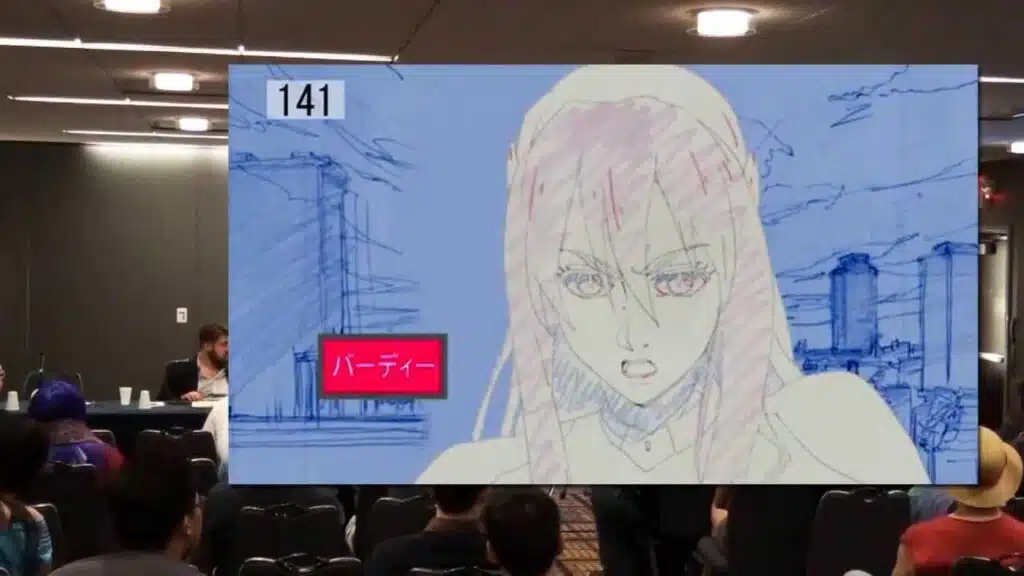
- Visual Representation: Storyboards act as a visual guide for the anime, detailing the sequence of scenes, camera angles, and transitions. This part of how anime is produced is critical for visual storytelling.
No products found.
Voice Casting
- Voice Actors: Casting calls are organized to select voice actors who can bring characters to life. This process often involves auditions and careful consideration of the actors’ vocal qualities and acting skills.
Production Process
The actual production process of anime is where everything comes together. This stage can take several months and involves different teams focusing on various aspects of the anime.
Animation Techniques
Anime can be produced using various animation techniques. Understanding these methods is vital to grasp how anime is produced.
Traditional Animation
- Frame-by-Frame Animation: Traditional hand-drawn animation involves creating images for each frame. While labor-intensive, it allows for a unique aesthetic and meticulous details.
Digital Animation
- Computer-Generated Imagery (CGI): Many modern anime productions incorporate CGI to enhance visual effects and 3D elements. This technique streamlines certain processes while allowing for stunning visuals.
Production Coordination
- Production Management: Production managers coordinate between different teams, ensuring that each stage progresses smoothly and on schedule. They monitor resources, deadlines, and workflows.
- Animation Supervisors: These supervisors oversee the animation quality, ensuring that the art style remains consistent throughout the production.
Post-Production and Finalization
Once the animation is completed, the project moves into the post-production phase. This is when sound, editing, and special effects are added to create the final product.
Editing
- Editing Team: Editors work to compile the scenes, ensuring proper pacing and continuity. They collaborate closely with the director to implement final changes.
Sound Design
- Sound Effects and Music: Sound designers and composers develop the soundtrack, sound effects, and background scores. Music significantly enhances the emotional depth of scenes and character moments.
Final Review
- Quality Control: Before the anime is released, the final product undergoes thorough quality control checks, reviewing animation quality, audio balance, and overall coherence.
Distribution and Marketing
Once post-production is complete, anime faces a crucial phase: distribution and marketing. Effective marketing strategies are essential for the success of an anime series or film.
Marketing Strategies
- Trailers and Teasers: Creating trailers and teaser videos generates buzz before the premiere, attracting viewers and building anticipation.
- Social Media Campaigns: Leveraging social media platforms allows studios to reach a broader audience, employing strategies such as behind-the-scenes content and engaging fan interactions.
Distribution Channels
- Streaming Services: Many anime are distributed through popular streaming platforms. This has revolutionized how viewers access anime globally.
- Television Broadcast: Traditional broadcasting remains a prevalent method for distributing anime, particularly in Japan.
The Impact of Technology on Anime Production
The technological advancements over the years have significantly influenced how anime is produced. Understanding the role of technology reveals how anime adapts to contemporary trends.
Digital Tools and Software
- Animation Software: Tools like Toonz, Clip Studio Paint, and Adobe Animate facilitate digital animation, providing features that simplify the animation process and enhance creativity.
- Collaborative Platforms: Cloud-based systems enable talent from around the world to collaborate, making it easier to work with international artists, animators, and voice actors.
Industry Growth and Global Reach
The anime industry has witnessed phenomenal growth, expanding beyond Japan’s borders. Its global appeal can be attributed to diverse storytelling and the richness of cultural expression.
- Cultural Exchange: Anime has become a conduit for cultural exchange, introducing global audiences to Japanese culture while adapting unique storytelling styles.
- Fan Engagement: The rise of conventions and fan communities celebrates anime culture, creating a deeply engaged viewer base that contributes to its popularity.
Conclusion
understanding how anime is produced reveals the dedication, creativity, and collaboration involved in bringing animated stories to life. From concept development to post-production and marketing, each stage is crucial in shaping the final product. The impact of technology continues to evolve the production landscape, enabling a new generation of filmmakers and animators to explore limitless creative possibilities. As anime continues to grow and adapt, its influence on global entertainment and culture remains profound.
For a deeper exploration of the anime industry and its evolution, consider visiting Anime News Network for more insights or tap into resources such as MyAnimeList for an extensive anime database.

