
1. Introduction
Eating out in a Japanese restaurant can be a unique and exciting experience. Japan has its own set of customs and etiquette when it comes to dining in restaurants, and understanding these customs can help you to enjoy your meal even more. From greeting the staff to finishing the meal, there are certain dos and don’ts that you should be aware of before entering a Japanese restaurant. In this article, we will provide an overview of how to behave in a Japanese restaurant so that you can make the most of your dining experience.
2. Greeting and Seating Etiquette
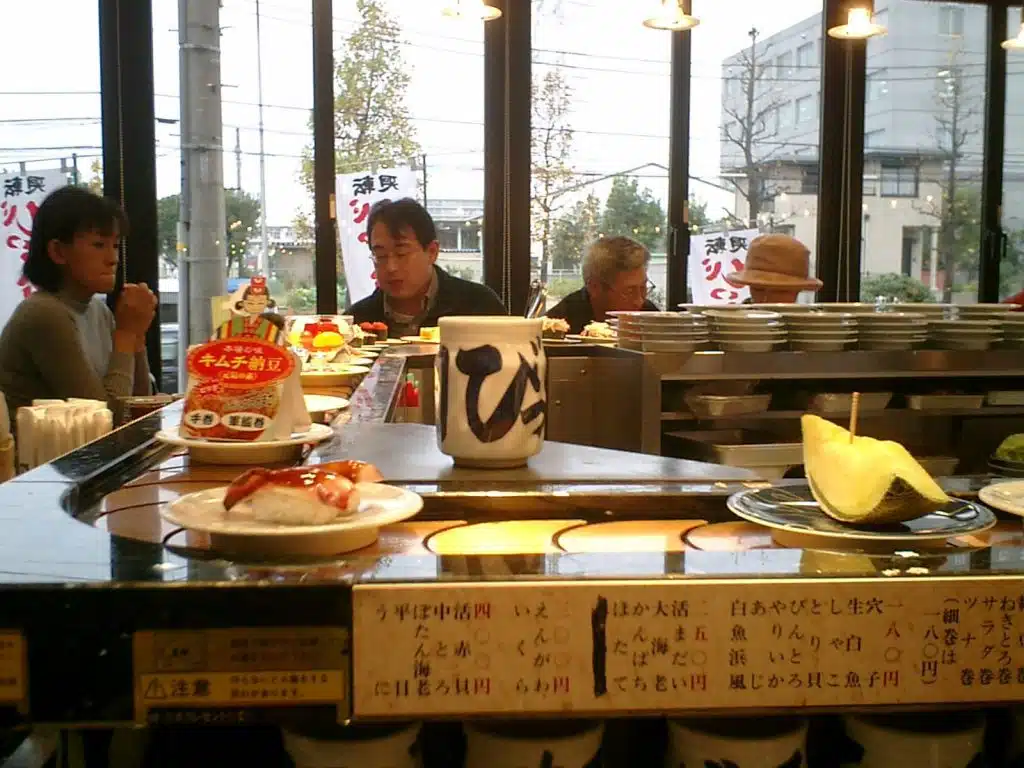
When you enter a Japanese restaurant, it is important to greet the staff with respect. A simple bow with your hands clasped together is usually enough to show respect and politeness. You may also be asked if you would like to sit at the counter or at a table; it is up to you which one you choose, but keep in mind that sitting at the counter is usually more informal than sitting at a table.
3. Table Manners
Once seated, there are several rules of etiquette that should be followed while dining in Japan. The first rule is not to start eating until everyone has been served their food; this shows respect for all diners present as well as for the chef who prepared the meal. It is also polite to wait for everyone else at the table before beginning to eat; this helps ensure that everyone has an enjoyable experience while dining together.
4. Ordering Food and Drinks
When ordering food or drinks, it is important to remember that most restaurants will serve dishes family-style; this means that everyone at the table will get their own dish but also share dishes with each other so that everyone gets a taste of different foods from around the menu. It is also polite to order drinks for everyone at the table rather than just yourself; this shows consideration for others and allows everyone to enjoy their meal together without feeling left out or excluded from ordering their own drinks.
No products found.
5 Eating Etiquette
Once your food has arrived, there are several rules of etiquette related specifically to eating in Japan: slurping noodles loudly is considered polite as it shows appreciation for the chef’s cooking; using chopsticks correctly is essential as incorrect use may be seen as disrespectful; leaving some food on your plate after finishing indicates satisfaction with what was served; speaking loudly during meals should be avoided as this may disturb other diners; and finally, never leave chopsticks sticking upright in rice bowls – doing so is considered bad luck!
6 Finishing the Meal
When finishing your meal, it is important not to leave any food on your plate or bowl – doing so indicates dissatisfaction with what was served – but instead express gratitude for what was eaten by saying “gochisousama desu” (“thank you for the delicious food”). It is also customary not to ask for doggy bags when eating out in Japan as it implies that there was too much food served – instead politely ask if they could provide some disposable containers if needed!
7 Tips for Dining Out in Japan
While dining out in Japan, remember these tips: always greet staff politely upon entering; wait until everyone has been served before starting to eat; order drinks for everyone at the table rather than just yourself; slurp noodles loudly as a sign of appreciation; use chopsticks correctly; leave some food on your plate after finishing indicates satisfaction with what was served ; avoid speaking loudly during meals ; never leave chopsticks sticking upright in rice bowls ; express gratitude by saying “gochisousama desu” (“thank you for the delicious food”); and never ask for doggy bags when eating out!
8 Conclusion
Dining out in Japan can be an enjoyable experience if done correctly! By following these basic rules of etiquette related specifically to Japanese restaurants such as greeting politely upon entering, waiting until all have been served before beginning eating,ordering drinks for all,using chopsticks correctly,expressing gratitude after finishing etc., anyone can feel comfortable enjoying their meal without feeling like they are breaking any cultural norms or taboos!
9 References
Japan Guide: Dining Etiquette https://www.japan-guide.com/e/e2021_dining_etiquette_japanese_restaurants_barbecue_izakaya_ryokan_.html
Japan Talk : Chopstick Etiquette https://japantalkblogdotcom1000000000848458225645074331935769925390989035174130851167235853122779226380707588492695609905476829181287156560781407136968018824008618863801891051410409736314705977663253102034375040083166760736953722153210443745005944309533789908345624079571034288906578708821202103877875021420942365743140344928157392285015680843075974768508743348662477141019351248348544986744185279847062983980800693605909600749879010290740749175513003716462847764
No products found.
What is considered disrespectful in Japanese restaurants?
Do not use chopsticks as swords or skewers. The Japanese consider this behavior rude. If the food is too difficult to pick up (which is often the case with flat food) use a fork instead.
What is considered disrespectful while leaving Japanese restaurant?
What is considered disrespectful when leaving a Japanese restaurant? In Japan it is rude to leave food on your plate. Dont skip meals. Leaving rice grains on is also considered bad manners so be sure to clean your plate.
What are bad Japanese table manners?
When eating from a shared plate (which is common in some restaurants such as izakaya) it is polite to use the opposite end of the chopsticks or dedicated serving chopsticks to transfer the food to the plate. In Japan it is considered rude to blow your nose at the table.
Is it rude to finish your plate in Japan?
Japanese consider it rude to put food on your plate especially if you order more food when you havent eaten everything you already have. It is associated with grief for the destruction of something called motenai a core concept of Japanese culture.
Is it rude to talk with food in your mouth in Japan?
Another universal rule is: When you chew dont talk with your mouth full. Perhaps the most unique feature of Japanese cuisine is the use of chopsticks. Please refrain from eating with two pairs of chopsticks.
How do I get waiters attention in Japan?
In Japan you have to call a waiter. Excuse me (su-mi-ma-sen) in Japanese means say it so loudly that your voice echoes in the restaurant.

