
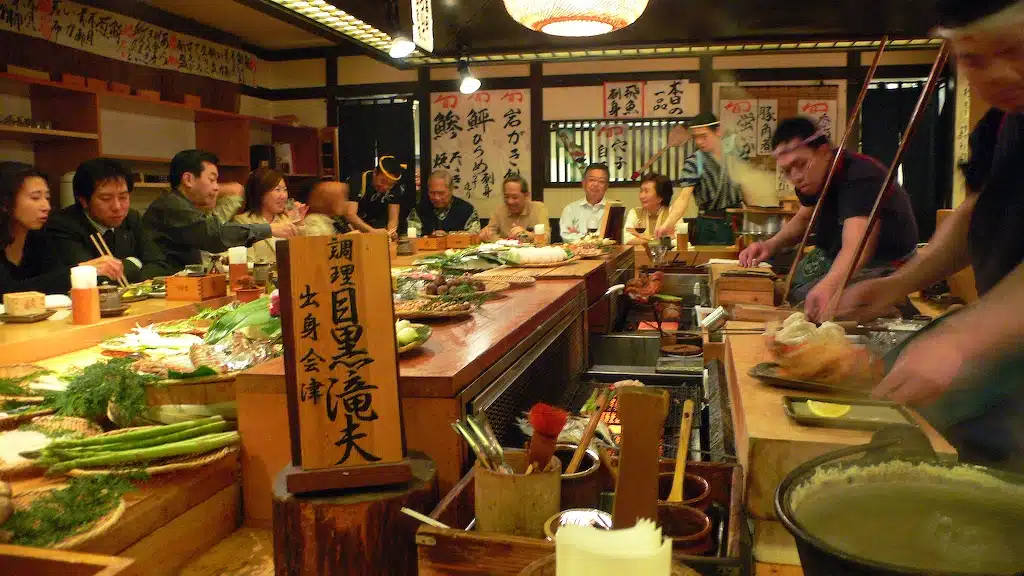
1. Introduction
Japanese restaurants are unique in their customs and etiquette. Knowing what not to do can help you enjoy a pleasant experience when dining out in Japan. In this article, we will discuss the most important things to avoid doing in a Japanese restaurant, as well as tips on how to act appropriately while dining out.
2. Take off Your Shoes
In many Japanese restaurants, especially those that serve traditional cuisine, it is customary to take off your shoes before entering the dining area. This is usually done at the entrance of the restaurant and it is essential to follow this custom if you want to have a pleasant experience while dining out in Japan.
3. Don’t be Too Loud
Most Japanese restaurants are quite quiet and it is important to maintain an appropriate level of volume when conversing with others at your table. It is considered bad manners to be too loud or boisterous when dining out in Japan, so try to keep your conversations at a moderate volume and avoid shouting or raising your voice unnecessarily.
4. Don’t Tip
Tipping is not customary in Japan and it is considered rude and inappropriate for customers to leave gratuities for servers or other staff members at a restaurant. If you want to show appreciation for good service, simply thank your server or other staff members with a smile or bow instead of leaving money behind as a tip.
No products found.
5. Don’t Bring Your Own Food or Drinks
Many Japanese restaurants have strict rules against bringing outside food or drinks into their premises, so it’s best to check with the restaurant beforehand if you plan on bringing anything from home with you when eating out in Japan. Bringing outside food into the restaurant may also be seen as disrespectful by some staff members, so make sure you ask permission first before doing so.
6. Don’t Talk on Your Phone at the Table
Talking on your phone while sitting at the table is generally frowned upon in most Japanese restaurants, as it can be seen as disruptive and rude by other diners around you. If you need to take an urgent call while eating out, make sure you excuse yourself from the table first before answering your phone and try not to talk for too long as this can be seen as impolite by other diners around you.
7. Don’t Point with Your Chopsticks
Chopsticks are considered sacred utensils in Japan, so pointing them at someone else or using them to gesture during conversation should be avoided when eating out in a Japanese restaurant. If you need to point something out during conversation at the table, use your hands instead of chopsticks and handle them respectfully when using them during mealtime.
8. Don’t Play With Your Food
>Playing with food should also be avoided when eating out in a Japanese restaurant, as this can be seen as disrespectful towards both the chef who prepared it and other diners around you who are enjoying their mealtime experience without disruption from others around them.
9.Conclusion In conclusion,knowing what not to do in a Japanese restaurant can help ensure that everyone has an enjoyable experience while dining out.By following these simple guidelines,customers can show respect for both their fellow diners and the staff members of the establishment,ensuring that everyone enjoys their time spent together.
🇯🇵 Japan lovers, don’t miss these essential picks for learning and travel!
No products found.
No products found.
What is considered disrespectful in Japanese restaurants?
Dont use chopsticks as knives and your food as spears. The Japanese consider this behavior rude. If the food is too difficult to pick up (which is often the case with slippery foods) use a fork instead.
What is considered disrespectful while leaving Japanese restaurant?
What is considered disrespectful when leaving a Japanese restaurant? Is it OK to leave raw food on the plate in Japan? Dont leave food alone. Bad habit known to leave even grains of rice so be sure to clean your dishes!
Is it rude to finish your plate in Japan?
In Japan not finishing a meal is not considered bad manners but rather a signal to the host to expect another helping. On the contrary the end of the meal especially the rice indicates that the person is satisfied and therefore does not want to serve himself anymore.
What are bad table manners in Japan?
When eating from a shared plate (as is customary in some restaurants such as izakaya) it is polite to transfer food to your plate using chopsticks or the tip of special chopsticks. Blowing your nose and chewing at the table are considered bad habits in Japan.
What is seen as rude in Japan?
Pointing at people or things is considered rude in Japan. Instead of pointing Japanese people wave lightly to indicate what they want. People touch their noses with their index fingers instead of pointing at themselves when talking about themselves.
Tipping is not customary in Japan. It is in Japanese culture to take pride in ones work. Because such employees have the highest standards when providing service and do not feel the need to accept tips to feel valued. In fact many Japanese tour guides will tell you tipping staff can be rude.

