
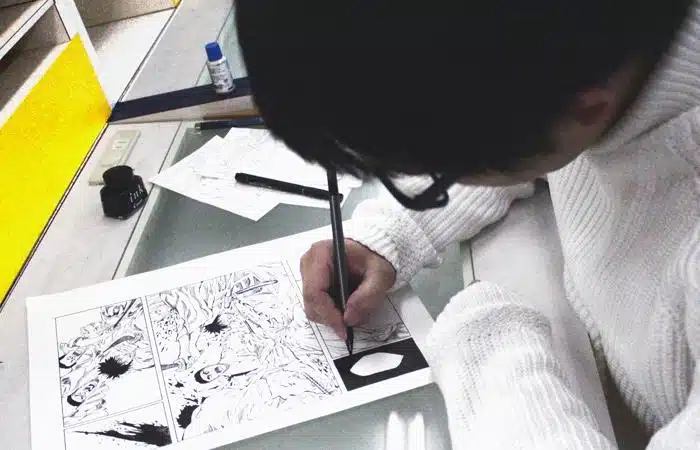

What is the typical format for writing a manga script?
Creating a manga has become an increasingly popular endeavor for aspiring artists and storytellers worldwide. How to write a manga? This process involves careful planning, unique storytelling, and artistic flair. This comprehensive guide will take you through the essential steps of conceptualizing, writing, and illustrating your own manga. Whether you are just starting or seeking to refine your skills, this article serves as your ultimate resource.
Understanding the Basics of Manga Writing
Before diving into the intricacies of writing a manga, it’s essential to understand what manga is. Manga is a style of Japanese comic books or graphic novels that encompass a wide range of genres and styles. They are typically serialized and illustrated in black and white, although color variants exist. To effectively learn how to write a manga, familiarize yourself with its formats, storytelling techniques, and audience preferences.
The Different Types of Manga
Manga can be classified into various genres and target demographics. Understanding these can help you tailor your writing and artistic style to meet readers’ expectations. Here are some common types of manga:
No products found.
| Type | Target Audience | Characteristics |
|---|---|---|
| Shonen | Males, ages 12-18 | Action-packed, focuses on friendship and adventure |
| Shoujo | Females, ages 10-18 | Romantic themes, emotional storytelling |
| Seinen | Males, ages 18+ | More mature themes, complex storylines |
| Josei | Females, ages 18+ | Realistic portrayals of relationships and adult life |
| Kodomo | Children | Educational or entertaining, simple narratives |
Having a strong grasp of these categories will guide your decisions as you learn how to write a manga.
Developing Your Concept and Themes
The first step in how to write a manga is to develop a compelling concept and thematic focus. Every engaging manga begins with a profound idea. Here are tips to help you shape your narrative:
- Brainstorm Ideas: Use techniques like mind mapping or free writing to generate potential storylines.
- Choose Your Themes: Identify the overarching themes you want to explore—love, friendship, betrayal, honor, etc.
- Create a Unique Concept: Think about what holds your audience’s interest and how to present it differently from existing manga.
A strong foundation will guide the flow of your story and help captivate readers. Reflect on what made your favorite manga appealing; these insights can inform your own concept.
Crafting Characters and Dialogue
Characters are heart and soul of any manga. As you learn how to write a manga, make character development a priority.
Designing Multi-Dimensional Characters
- Character Profiles: Develop profiles for each character, detailing their background, motivations, and relationships.
- Start with Protagonists and Antagonists: Focus on your main characters first, as they drive the story.
- Secondary Characters: Enhance the story with supporting characters that complete the narrative and deepen themes.
Remember to give your characters flaws and strengths, making them relatable and believable.
Writing Authentic Dialogue
Writing compelling dialogue is another crucial aspect of how to write a manga. Follow these guidelines:
- Keep it Natural: Read your dialogue out loud to check for authenticity.
- Use Character-Specific Voices: Ensure characters have distinct ways of speaking that reflect their personality and background.
- Balance Action and Dialogue: Combine illustrations with concise dialogue to advance the story without overwhelming the reader.
Authentic dialogue enriches the reading experience, helping the audience connect with the characters.
Structuring Your Story
Effective storytelling involves careful structuring. Familiarize yourself with traditional story arcs to formulate a compelling narrative flow.
Understanding Story Arcs
A strong story generally follows a recognizable structure, often articulated through three-act storytelling:
- Act One – Introduction: Present characters, setting, and conflict.
- Act Two – Development: Explore character development, escalating conflict, and rising action.
- Act Three – Resolution: Resolve conflicts and tie up loose ends.
Plotting Techniques
Several techniques can help you craft an engaging plot as you learn how to write a manga:
- Outline Your Story: Create a step-by-step outline detailing each scene and its purpose in the overall narrative.
- Include Subplots: Introduce secondary plots to add depth and complexity to the overarching story.
Finding a balance between your main plot and subplots will enhance reader engagement.
Visual Storytelling Techniques
Manga is a visual medium; hence, mastering storytelling through illustrations is vital in how to write a manga.
Emphasizing Art Style
- Choose Your Art Style: Decide on a specific art style that aligns with the themes and emotions of your story. This can range from realistic to chibi.
- Character Design: Ensure consistency in character visuals through different scenes, paying attention to expressions, clothing, and movements.
Utilizing Panel Layouts
Effective panel designs communicate pacing and action effectively. Here are tips for panel composition:
- Vary Panel Size: Use different-sized panels to create emphasis during crucial moments. Larger panels can heighten dramatic scenes.
- Incorporate Motion: Utilize diagonal lines and overlapping panels to convey action and dynamism.
Capturing Emotions through Expressions
Facial expressions significantly impact how readers perceive characters’ emotions. Practice drawing different expressions to convey a range of feelings effectively.
Incorporating Manga Formatting Elements
To make your final product professional and appealing to readers, understand the traditional manga formatting elements.
Page Layout Guidelines
- Standard Sizes: Keep to standard manga sizes (typically A5 or B5) to ensure ease of reading.
- Readability: Ensure text is legible and panels are not overcrowded.
Dialogue and Sound Effects
- Thought Bubbles and Speech Balloons: Use these effectively to differentiate between dialogue and thought processes.
- Sound Effects: Incorporate Japanese onomatopoeia (e.g., “ドキドキ” for heartbeat) to enhance the visual storytelling.
Paying attention to these elements can make your manga more enjoyable and accessible to readers.
Editing and Refining Your Manga
Once your manga is written and illustrated, it’s time to refine your work.
Self-Editing Techniques
- Take a Break: Step away from your manga for a few days to return with fresh eyes.
- Seek Feedback: Share your manga with beta readers or fellow creators for constructive criticism.
- Revise: Be open to making changes based on feedback; editing is crucial in how to write a manga.
Professional Proofreading
Consider hiring professional proofreaders or editors who specialize in manga to ensure high-quality storytelling and art.
Publishing Options for Manga
Knowing how to publish your manga is the final step in the how to write a manga journey.
Self-Publishing
- Digital Platforms: Platforms such as Comixology or Webtoon enable creators to publish their work digitally.
- Print-on-Demand: Services like Lulu and CreateSpace allow authors to print physical copies without large upfront costs.
Traditional Publishing
- Manga Publishers: Research and submit your work to established manga publishers like VIZ Media or Kodansha.
- Submissions Guidelines: Follow specific submission guidelines provided by publishers to increase your chances of being accepted.
Make sure to explore various publishing avenues to find the best fit for your work.
Conclusion
Learning how to write a manga is a rewarding journey that combines creativity and technique. By understanding the fundamentals—from character development and story structuring to visual storytelling and publishing options—you can create a manga that resonates with readers. Remember, creating a manga requires patience, practice, and perseverance, so keep refining your skills and stay true to your unique artistic vision. Happy creating!
For more keys to successful writing and artistic techniques, check out this detailed guide and explore further into the world of manga on Manga UK.
By following these guidelines, aspiring manga creators can embark on their journey with more confidence and clarity.

