

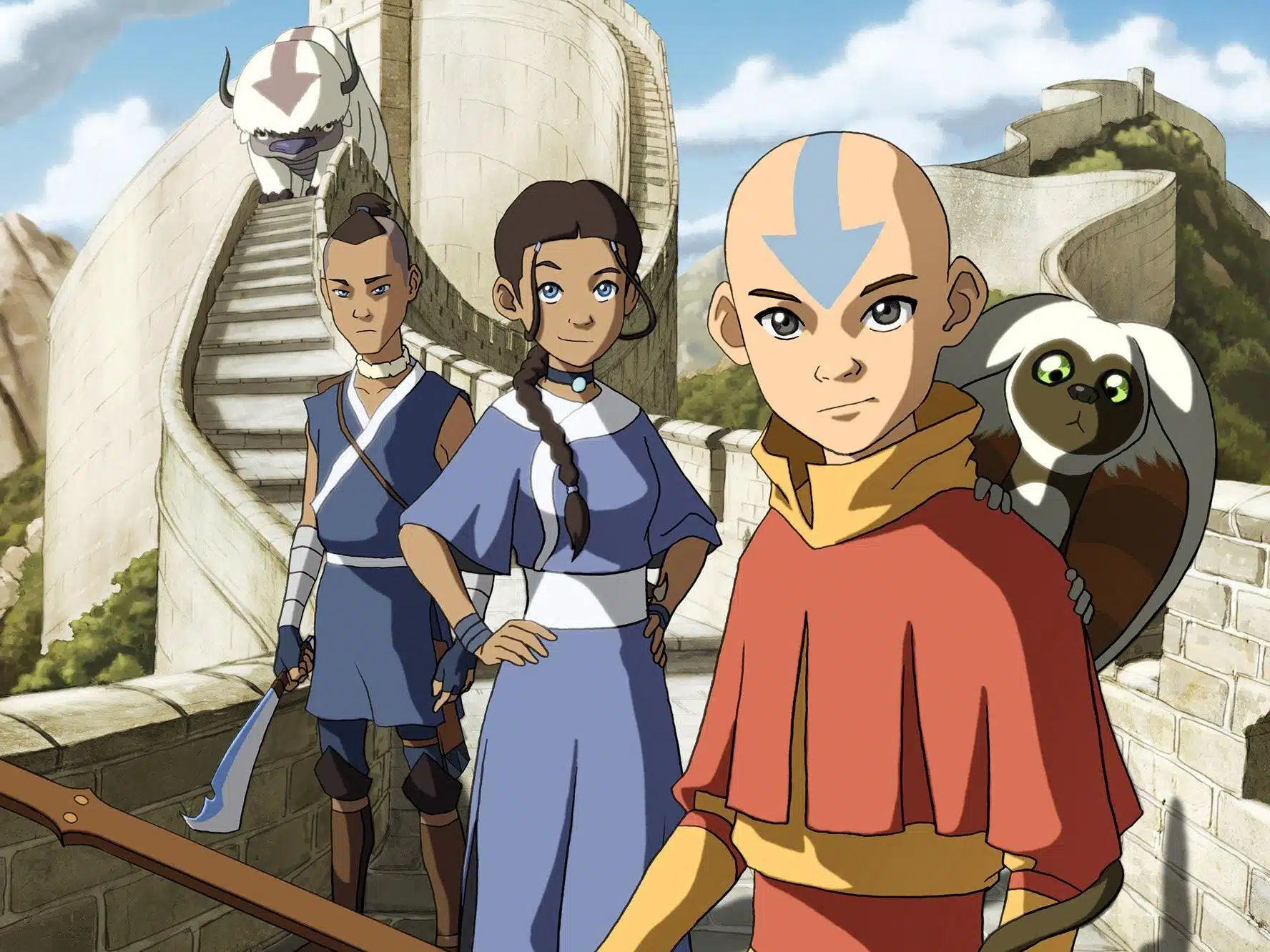
– What are the main differences between Avatar and typical anime series?
Is avatar anime? This question has sparked numerous debates among fans of animated series worldwide. ”Avatar: The Last Airbender,” often referred to simply as ”Avatar,” has become a cultural phenomenon, beloved for its intricate world-building, compelling characters, and thoughtful storytelling. However, it occupies a unique position that blurs the lines between traditional anime and Western animation. This article aims to explore this distinction in depth, providing insights into what defines anime, how “Avatar” fits within those parameters, and why fans continue to debate its classification.
Understanding Anime
Anime is a style of animation that originated in Japan and has gained worldwide popularity. Characterized by colorful artwork, fantastical themes, and vibrant characters, anime encompasses a broad range of genres and target audiences. Some key features that define anime include:
- Artistic Style: Anime often exhibits a unique visual aesthetic, characterized by exaggerated facial expressions, distinct character designs, and elaborate backgrounds.
- Narrative Depth: Many anime series tackle complex themes and character arcs that resonate with viewers of all ages.
- Cultural Influence: Anime is deeply influenced by Japanese culture, including folklore, traditions, and societal norms.
No products found.
It’s essential to recognize that not all animated works produced in Japan fit the traditional mold of anime. Likewise, Western animation has evolved significantly and often borrows elements from anime without necessarily being classified as such.
Avatar’s Origins and Style
“Avatar: The Last Airbender” was created by Michael Dante DiMartino and Bryan Konietzko and premiered on Nickelodeon in 2005. The series follows Aang, the last Airbender, as he embarks on a journey to bring peace to the Four Nations of the world, each representing different elemental abilities. Its narrative is heavily influenced by Asian cultures, philosophy, and martial arts.
Cultural Inspirations in Avatar
“Avatar” famously draws from a wide range of Asian cultural elements:
No products found.
- Elemental Bending: The concept of elemental bending is reminiscent of Chinese martial arts, particularly Tai Chi, which emphasizes fluid movements.
- Spiritual Themes: The series explores themes such as balance, harmony, and reincarnation, concepts prevalent in various Asian spiritual philosophies.
- Art and Aesthetics: The animation style mirrors traditional East Asian art, from character designs to environmental art.
These cultural inspirations often lead fans to label “Avatar” as an anime work, even though it is produced by a Western studio.
Technical Definition of Anime vs. Avatar Classification
The distinction between anime and Western animation can also be understood through technical aspects:
- Production Style: Anime is typically produced in Japan with Japanese animators, voice actors, and studios. ”Avatar,” while inspired by anime, is produced in the United States.
- Art Techniques: Traditional anime employs specific artistic techniques and animation processes unique to Japanese production. While “Avatar” exhibits similarities, it diverges in animation methodology, utilizing differing production techniques often seen in Western animation.
Visual Comparison Table
Below is a table that visually compares key elements of traditional anime and “Avatar”:
| Attribute | Anime | Avatar |
|---|---|---|
| Production Origin | Japan | United States |
| Art Style | Exaggerated features, detailed backgrounds | Blends anime-inspired designs with Western animation aesthetics |
| Themes | Fantasy, societal issues, life lessons | Elements of Eastern philosophy, friendship, and personal growth |
| Target Audience | Varies from children to adults | Primarily children, but appeals to all ages |
Audience Reception and Cultural Impact
Despite its Western origins, “Avatar” has garnered a massive following among anime enthusiasts. The show’s intricate character development and rich storytelling have led many to view it through the anime lens.
- Fan Base: The resurgence of interest in “Avatar” through platforms like Netflix and the continuation of the franchise with “The Legend of Korra” has expanded its reach, contributing to an ever-growing community of fans who view it as an anime work.
- Cultural Appreciation: Viewers often appreciate ”Avatar” for its respectful representation of Asian cultures, contrasting with many other animated shows that may perpetuate stereotypes.
The Relationship Between Avatar and Anime
“Avatar: The Last Airbender” serves as a bridge between Western animation and anime. The show incorporates elements that resonate with anime fans while still retaining its identity as a product of Western media.
Blending of Genres
One defining feature of “Avatar” is its ability to blend various genres and narrative styles. The series incorporates elements of:
- Adventure: Characters embark on epic quests, facing challenges and adversaries.
- Fantasy: The presence of bending techniques and mythical creatures enriches the world.
- Drama: Emotional narratives about loss, growth, and friendship drive the plot.
This blending creates a unique viewing experience that resonates with fans across both animation cultures.
Exploring the Avatar Community
The debate regarding “Is avatar anime?” persists within various forums, fan groups, and social media platforms. This dialogue highlights important aspects of identity, representation, and cultural exchange in animation.
Fan Perspectives
- Anime Fans: Many within the anime community readily accept “Avatar” as part of the genre due to its aesthetic metrics and storytelling depth.
- Western Animation Advocates: Some argue that “Avatar” should be categorized strictly within Western animation due to its production origins and distribution.
This discourse emphasizes the diversified nature of animation and the ways it transcends geographical boundaries.
Conclusion: Navigating the Anime Question
the question “Is avatar anime?” ultimately depends on one’s definitions of both anime and animated media. While “Avatar: The Last Airbender” originates from Western animation, its stylistic and thematic influences invite comparisons to anime. The discussion surrounding its classification enriches our understanding of animation’s evolution and the complex cultural exchanges that shape these creative forms.
The success of “Avatar” signifies the possibility of blending cultural elements to create meaningful art that resonates with diverse audiences. Whether categorized as anime or not, it stands as a remarkable achievement in animated storytelling that continues to inspire discussion and engagement in the animated community.
For further exploration, visit reputable sources like Anime News Network and Encyclopedia of Anime to expand on your understanding of these mediums.

