

What defines a series as an anime?
Is Avatar: The Last Airbender an anime? This question piques the interest of many fans and newcomers alike. While the series has garnered immense popularity and a devoted fanbase, its classification is often debated among animation enthusiasts. By exploring the origins, style, influence, and reception of this iconic series, we can shed light on whether it fits into the anime definition or stands apart as a unique form of animated storytelling.
Understanding Anime and Its Characteristics
To determine if Avatar: The Last Airbender is an anime, it is crucial to first understand what anime is. Primarily, anime refers to a style of animation that originated in Japan. It encompasses a wide range of genres and themes, aimed not only at children but also at adults. Here are some defining characteristics of anime:
- Cultural Influence: Anime often reflects Japanese culture, traditions, and societal issues.
- Visual Style: It features distinct character designs, vibrant colors, and fantastical elements.
- Storytelling Techniques: Anime frequently incorporates complex plots, emotional depth, and well-developed characters.
No products found.
Avatar’s Production Background
Avatar: The Last Airbender is an American animated television series created by Michael Dante DiMartino and Bryan Konietzko. It premiered on Nickelodeon in 2005 and ran for three seasons until 2008. The show follows the journey of Aang, the last surviving Airbender, as he seeks to master all four elements—water, earth, fire, and air—to defeat the Fire Nation’s tyrannical rule.
Production Influences and Style
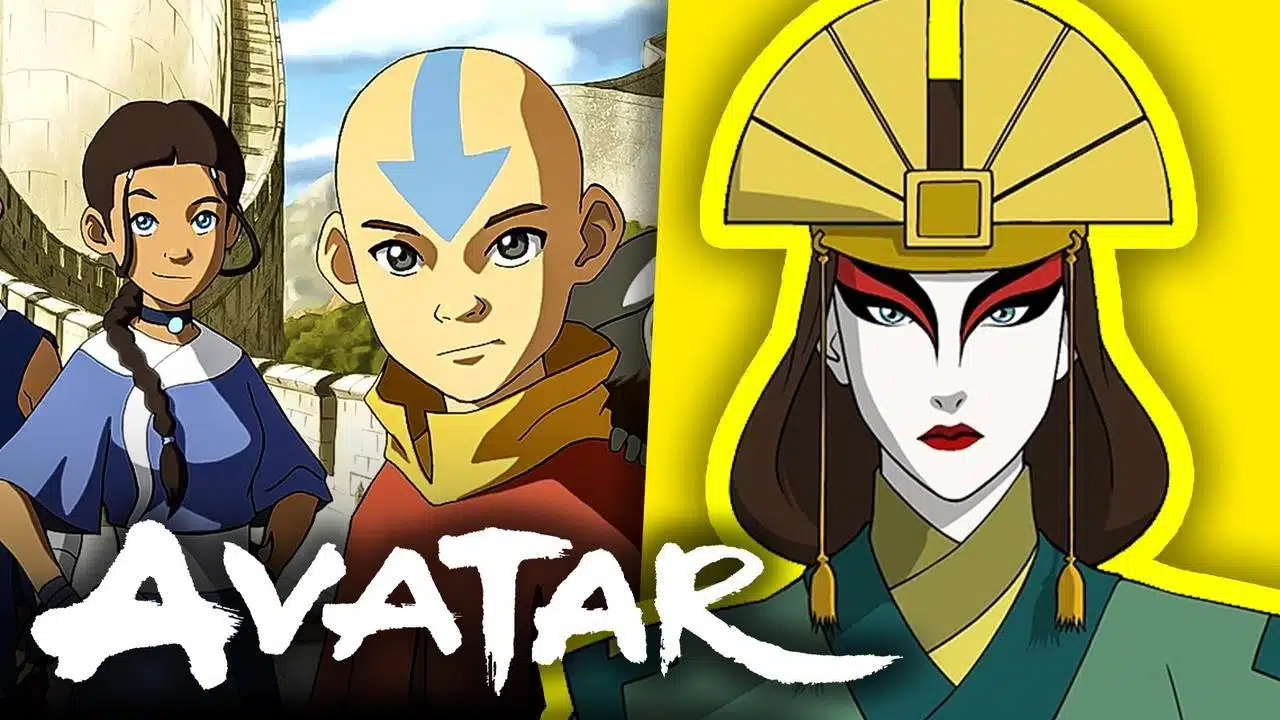
Though Avatar: The Last Airbender is not produced in Japan, it borrows significant stylistic elements and storytelling techniques from anime. The creators were heavily inspired by Asian cultures, particularly Chinese martial arts and philosophy. The show’s visual aesthetic also echoes anime, characterized by:
- Character Design: Rounded faces, large expressive eyes, and hair styles resonate with anime.
- Action Sequences: The fight scenes are akin to martial arts films, highlighting fluidity and kinetic artistry often seen in anime.
No products found.
Cultural Context and Audience
To ascertain if Avatar: The Last Airbender qualifies as an anime, it is essential to analyze its cultural context and target audience. Although it features significant elements influenced by Japanese aesthetics, the story remains rooted in Western storytelling conventions.
- Target Audience: Unlike typical anime, which often caters to niche groups, Avatar is designed for a broader audience, including children and families.
- Cultural Representation: The narrative draws from various cultures, particularly Asian influences, rather than sticking solely to Japanese culture.
Comparing Avatar and Traditional Anime
Understanding the differences can shine a light on the nuances that might classify Avatar: The Last Airbender as either an anime or an animated series distinct from the genre. Here’s a breakdown comparing the two:
| Element | Avatar: The Last Airbender | Traditional Anime |
|---|---|---|
| Cultural Origin | American | Japanese |
| Visual Style | Influenced by anime but distinct | Distinct anime style |
| Storytelling Style | Western storytelling | Varied, often complex and diverse |
| Target Audience | Wider demographic, family-oriented | Often tailored to specific age groups or niches |
Fan Reception and Community Responses
Another significant aspect of determining whether Avatar: The Last Airbender can be regarded as an anime lies within the community and fan reception. The series has amassed an extensive fandom that passionately discusses its themes, characters, and artistic choices.
Critical Acclaim and Awards
The show has received numerous accolades, including multiple Annie Awards and a Peabody Award. Its compelling story and intricate character arcs, appealing to both children and adults, strengthen its position in animated television but may not classify it as traditional anime.
Community Perspectives
Fans often have differing opinions. Many embrace Avatar as part of the anime community due to its stylistic choices and thematic depth, while others firmly believe it belongs in the realm of Western animation. This ongoing debate reflects the complex nature of categorizing animated content.
Conclusion and Final Thoughts on Avatar as Anime
So, is Avatar: The Last Airbender an anime? The answer is nuanced. While it incorporates many elements reminiscent of anime—including a profound story, character design, and influences from martial arts—it ultimately stands apart due to its American origins and broad target audience. Thus, it can be categorized as a unique animated series that transcends borders, appealing to fans of both Western animation and anime.
By understanding the intricate relationship between Avatar: The Last Airbender and the anime genre, fans can engage in a richer discussion, appreciating the show’s influences without feeling confined to strict definitions. For further reading on animation styles and cultural impacts of animated series, check reputable sources such as Anime News Network and Vogue.
In a world where cultural boundaries are merging, Avatar: The Last Airbender exemplifies how influences can be beautifully intertwined, illustrating that the essence of animation goes beyond simple categorization. Whether seen as a part of the anime genre or as a stand-alone triumph of Western animation, it continues to resonate deeply with audiences globally.

