
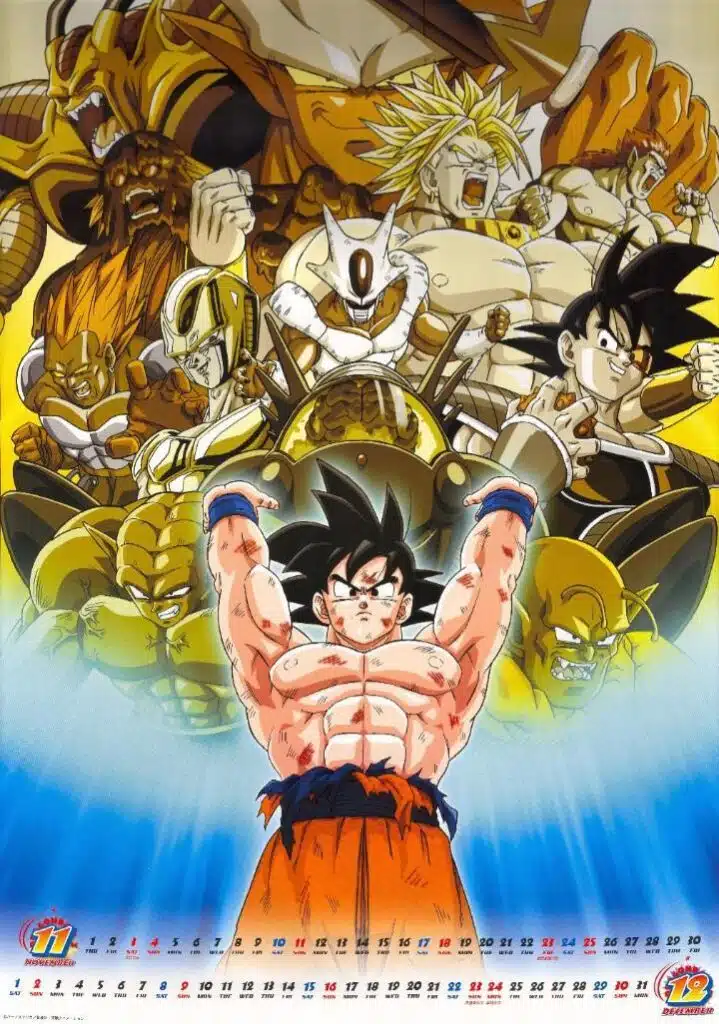

How does Dragon Ball Z differ from the original Dragon Ball series?
Is dbz anime? If you’re a fan of Japanese animation, you have probably come across the term “DBZ”. For many, it brings to mind epic battles, powerful transformations, and a diverse cast of characters. In this article, we will explore the fascinating world of Dragon Ball Z, commonly referred to as DBZ, its impact on the anime genre, and why it holds a special place in the hearts of fans worldwide.
Overview of Dragon Ball Z
Dragon Ball Z is a Japanese animated television series that serves as a sequel to the original Dragon Ball series. Created by Akira Toriyama, it first aired in Japan from 1989 to 1996. The series follows the adventures of Goku, who defends Earth against formidable foes, facing various challenges along the way.
The Origins of DBZ
The roots of the DBZ anime can be traced back to the early chapters of the Dragon Ball manga, which was serialized in Weekly Shōnen Jump beginning in 1984. The original manga focused on Goku’s training and his quest to find the seven Dragon Balls, objects that summon the eternal dragon Shenron, who grants wishes.
No products found.
In 1986, the first anime adaptation of the manga was released, famously known as Dragon Ball. The series laid the groundwork for Goku’s character development, introducing viewers to his friends, enemies, and the Dragon Ball universe. With the conclusion of the original series, the sequel Dragon Ball Z began and took the story to new heights.
Major Themes in DBZ
Dragon Ball Z is not just a simple action series; it’s rich with themes and messages that resonate with viewers of all ages. Here are some major themes reflected in the DBZ anime:
The Importance of Friendship and Teamwork
Throughout the series, Goku and his friends showcase the power of collaboration. Many battles are won not solely by Goku’s strength but through the unity and coordination among his allies. This reinforces the idea that teamwork can overcome even the strongest adversaries.
The Quest for Improvement
A significant element of Dragon Ball Z is the relentless pursuit of strength and personal growth. Characters consistently train to enhance their abilities, which speaks to the theme of perseverance. This aspect encourages viewers to strive for self-improvement in their own lives.
Good vs. Evil
The classic theme of good versus evil is central to DBZ. The series features various villains, each embodying evil in different forms. Goku’s unwavering commitment to justice serves as an inspiration for viewers, showcasing the importance of standing up for what is right.
No products found.
The Impact of DBZ on Anime Culture
Dragon Ball Z has made an indelible mark on the anime industry. Its influence can be seen across multiple dimensions of pop culture, inspiring countless creators and generating a devoted fanbase. Here’s a closer look at the impact of the DBZ anime:
Establishing New Standards for Action Anime
Before Dragon Ball Z, action anime often lacked the intense scale and depth found in this series. The dramatic battles, characterized by extensive enemy transformations and power-ups, paved the way for future action-oriented anime. Shows like Naruto and One Piece adopted similar storytelling techniques, creating epic battles that captivated audiences globally.
Broader Appeal to International Audiences
Unlike many anime series at the time, DBZ achieved immense popularity outside Japan. The series was dubbed into numerous languages and broadcast on various networks, increasing its accessibility. As a result, Dragon Ball Z is often credited with popularizing anime in the West, sparking interest in the genre.
Merchandise and Expansion of the Franchise
The popularity of DBZ led to an expansive range of merchandise, including toys, video games, and clothing. This enormous commercial success has turned Dragon Ball Z into a cultural phenomenon, generating billions in revenue and fostering numerous adaptations, including films and spin-off series like Dragon Ball Super.
Character Analysis in DBZ
A focal point of the DBZ anime is its diverse array of characters, each with their unique personalities and powers. Let’s review some of the iconic characters that have defined the series:
Goku
Goku is the protagonist and arguably the most recognizable character in the DBZ franchise. His unwavering determination, kind-hearted nature, and passion for fighting define his character. Goku continuously seeks stronger opponents, making him a quintessential hero in not just anime, but global pop culture.
Vegeta
Vegeta, the Prince of all Saiyans, initially appears as an antagonist. Over time, he evolves into a complex character with a rich backstory. His rivalry with Goku and subsequent character development make him a fan-favorite, showcasing the theme of redemption present in the series.
Gohan
Gohan, Goku’s eldest son, presents the idea of strength in gentleness. Although powerful, he initially prefers peace over fighting, contrasting with the series’ action-heavy nature. His evolution from a timid child to a formidable warrior is a central focus in the early arcs of DBZ.
Animation Style and Techniques
The DBZ anime is known for its distinctive animation style and innovative techniques that enhance the viewing experience. Below are some notable aspects that contribute to the appeal of Dragon Ball Z:
Futuristic Art and Design
The character designs, especially the Saiyan transformations, set a precedent for many anime series. The use of vibrant colors, elaborate costumes, and unique fighting techniques creates an engaging visual experience for viewers.
Engaging Fight Sequences
The fight scenes in Dragon Ball Z are legendary. The combination of fast-paced action, dramatic camera angles, and explosive effects create pulse-pounding moments that keep viewers on the edge of their seats. This has led to a high standard for future action anime, establishing benchmarks for quality.
Influence on Animation Techniques
Dragon Ball Z introduced techniques like the use of “screaming” during transformations, which have become staples in the anime industry. Additionally, the creation of vibrant energy blasts and beams captured the imagination of fans, becoming synonymous with the DBZ brand.
Evolution of the DBZ Franchise
The evolution of the DBZ anime has been multi-faceted, with various series and adaptations expanding the original story. Here is an overview of its journey:
Dragon Ball Z: Kai
In 2009, Dragon Ball Z: Kai was released as a remastered version of the original series. It features enhanced visuals, improved audio, a more concise storyline, and the removal of filler episodes. This version appeals to both long-time fans and newcomers to the franchise.
Dragon Ball Super
Following the success of Dragon Ball Z: Kai, the series expanded into Dragon Ball Super, launching in 2015. This new series continues Goku and his friends’ adventures, introducing new characters, transformations, and universes. It successfully reignited interest in the franchise, bringing in both old fans and new generations.
Dragon Ball Super: Super Hero
In 2022, the franchise was reinvigorated with the release of the animated film Dragon Ball Super: Super Hero, which showcased advances in animation techniques and storytelling. The movie received positive feedback, indicating the sustained popularity of the DBZ anime.
The Legacy of DBZ
The legacy of Dragon Ball Z is profound and far-reaching. Its impact on anime culture and storytelling continues to resonate.
Influence on Future Generations
Many contemporary anime creators cite DBZ as a significant inspiration in their works, showcasing its enduring influence on the genre. It has nurtured a generation of fans eager to explore anime and its array of diverse stories.
Community and Fandom
The DBZ fandom is one of the largest and most passionate. From fan art and cosplay to online communities and conventions, the legacy of Dragon Ball Z thrives. The community fosters creativity, allowing fans to express their love for the series through various mediums.
Cultural References and Citations
Dragon Ball Z has made its way into numerous facets of pop culture. It has been referenced and parodied in television shows, films, music, and even video games, showcasing its relevancy and continued influence.
Conclusion
Dragon Ball Z is undeniably a cornerstone of anime culture, influencing countless aspects of media and entertainment. Its thrilling storylines, dynamic characters, and enduring themes have earned it a revered place in the hearts of fans and creators alike. So, is dbz anime? Absolutely, it is not just a series; it is a cultural phenomenon that has shaped the landscape of animation and beyond.
For further reading on the evolution of anime, check out this insightful article from Anime Planet and learn more about the characters of Dragon Ball Z from Character Database.

