

– How did Hatsune Miku become a cultural icon in anime and music?
Is Hatsune Miku anime? This question has sparked a great deal of debate among fans and newcomers alike. With her vibrant character design and association with Japanese pop culture, Hatsune Miku has become a significant figure in the realm of virtual entertainment. This article explores the origins of Hatsune Miku, her relationship with anime, and her impact on music and pop culture.
Understanding Hatsune Miku’s Origins and Character
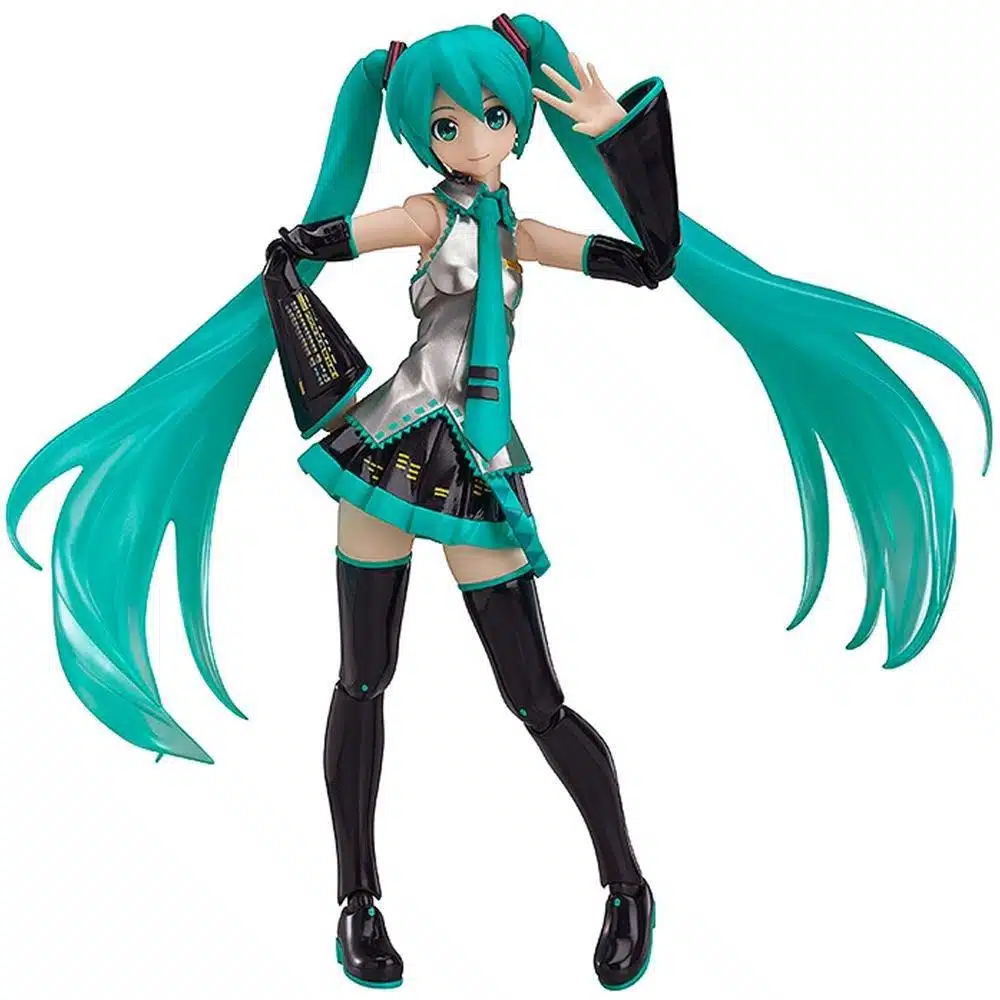
Hatsune Miku is a vocaloid, a voice synthesizer software product developed by Crypton Future Media, launched in 2007. The name “Hatsune Miku,” which translates to ”the first sound of the future,” reflects the software’s innovative approach to music production. The character Miku is visually represented as a 16-year-old girl with long teal hair, large expressive eyes, and a futuristic outfit, embodying a perfect blend of traditional anime aesthetics and modern technology.
No products found.
The Evolution of Hatsune Miku in Japanese Media
Hatsune Miku is often featured in various media forms, including music, video games, and concerts, but her strong association with anime culture raises the question: Is Hatsune Miku anime? To understand this, it’s essential to explore the different avenues through which Miku has maintained her presence in Japanese pop culture.
- Music Career: Since her initial release, Hatsune Miku has gained significant traction among music producers, with thousands of songs created using her vocal capabilities. Her ability to capture emotions and convey messages has made her a beloved figure in both the vocaloid and broader music community.
- Anime Influence: Many of the songs Miku performs are often animated in styles that are closely tied to the anime aesthetic. From colorful visuals to the storytelling elements commonly found in anime, Hatsune Miku showcases how music and anime influence each other.
- Media appearances: Hatsune Miku has made multiple appearances in anime series, animated web series, and even video games. Her collaborations with artists and presence in media strengthen her ties to the anime industry.
No products found.
Hatsune Miku in the Anime Industry
While Hatsune Miku is not an anime character in the traditional sense, her influence on anime is undeniable. Her character has been featured in numerous anime-inspired projects:
- Anime Collaborations: Miku often appears alongside anime characters in crossovers and special projects. Many anime series incorporate her music into their soundtracks or use her in promotional material.
- Music Videos: Several animated music videos feature Miku, showcasing her in various anime-inspired settings and narratives, amplifying her connection to the anime industry.
- Merchandise: The tremendous popularity of Hatsune Miku has led to a wide array of merchandising opportunities, including figurines, clothing, and accessories adorned with her likeness, many of which cater to anime fans.
Hatsune Miku’s Cultural Impact
The question of whether Hatsune Miku is anime opens discussions related to her cultural significance. Not merely a character, Miku has evolved into a symbol of digital artistry and the merging of music and visual media.
The Global Appeal of Hatsune Miku
Hatsune Miku’s popularity extends far beyond Japan’s borders. She has captivated audiences worldwide, leading to international concerts and collaborations that highlight her appeal:
- Virtual Concerts: Miku’s concerts employ cutting-edge technology to project her holographic form in stadiums, creating an immersive experience for fans. This unique format resonates with the anime community, drawing in enthusiasts who appreciate innovative performances.
- Cultural Events: Miku often appears at various cultural events, such as anime conventions and music festivals, representing the bridging of anime, music, and technology.
The Relationship Between Hatsune Miku and Japanese Pop Culture
There’s a strong link between Hatsune Miku and Japanese pop culture that can’t be overlooked. This relationship illustrates the ways in which anime and music coexist in contemporary society.
- Fan Art and Communities: The vast realm of fan art showcases Miku in traditional anime styles, portraying her as part of the anime creative community. Sharing artwork on platforms such as DeviantArt and Pixiv signifies Miku’s acceptance and recognition as an anime-like icon.
- Impact on Other Vocaloids: Hatsune Miku’s success paved the way for other virtual idols, often with character designs reminiscent of anime aesthetics. This phenomenon further underlines the intertwining of the vocaloid and anime worlds.
Understanding Vocaloid Culture and Community
To answer the question of “Is Hatsune Miku anime,” one must appreciate the broader context of vocaloid culture. The community surrounding vocaloids is steeped in creativity, innovation, and collaboration, drawing from both music and visual art.
Key Characteristics of Vocaloid Culture
- Collaboration: A hallmark of the vocaloid community is collaboration, where producers, illustrators, and animators come together to create diverse music videos, concerts, and art.
- Accessibility: Vocaloid software, including Hatsune Miku, allows users from all skill levels to produce music easily, encouraging a diverse array of styles and genres, many of which reflect anime themes.
- Fandom: The fandom surrounding Hatsune Miku includes a rich tapestry of dedicated followers engaging in cosplay, fan art, and music creation, further blurring the lines between anime and vocaloid culture.
Opportunities to Experience Hatsune Miku
For those questioning Is Hatsune Miku anime, exploring her wide-ranging platforms provides insight into her blend of music and anime culture.
- Live Concerts: Attending a Hatsune Miku concert can be an exhilarating experience. Fans can enjoy her performances along with thematic visual displays that echo anime styles.
- Video Games: Several video games feature Hatsune Miku, such as the Project DIVA series. These games allow players to interact with Miku while immersing themselves in anime-inspired gameplay.
- Anime Collaborations: Fans can find numerous anime series that have directly referenced or featured Miku, serving as a testament to her influence in the anime world.
Conclusion on Hatsune Miku and Anime Relationship
determining whether Hatsune Miku is anime leads to more profound insights regarding her character and cultural significance in Japan and around the world. While she isn’t an anime character in the traditional sense, the crossover between her music, performances, and anime aesthetics is ever-present.
The vibrant interplay between anime and vocaloid culture exemplifies the evolving landscape of digital entertainment. Miku’s influence is firmly rooted in Japanese pop culture and continues to expand globally. For fans and newcomers alike, engaging with Hatsune Miku offers a unique experience bridging the worlds of music and anime, reinforcing her significance as a cultural icon.
For more information about digital characters in pop culture, consider visiting Anime News Network and Crunchyroll for comprehensive updates on ongoing trends and news in the anime and vocaloid communities.

