

Is Hatsune Miku a character from a specific anime series?
What anime is Hatsune Miku from? This question often arises among anime enthusiasts and music fans alike. While Hatsune Miku is primarily recognized as a virtual pop star and vocal synthesizer developed by Crypton Future Media, her cultural impact has transcended beyond mere software, embedding her into various media forms, including video games, concerts, and even some animated series and projects. This article explores the origins of Hatsune Miku, her relationship with anime, and the various mediums where she has made appearances.
H2: The Origins of Hatsune Miku
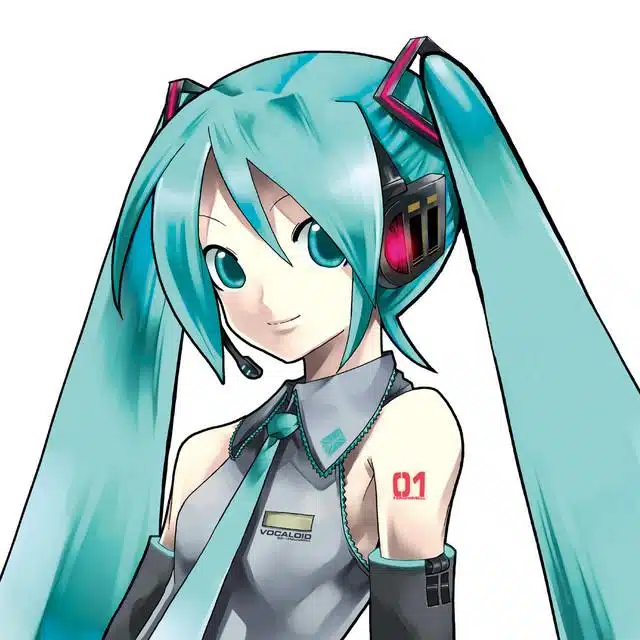
Hatsune Miku was introduced to the world in 2007 as a part of the Vocaloid software series. Her voice is created using recordings from voice actress Saki Fujita, and she has since gained immense popularity within the music community. Hatsune Miku’s character is depicted as a 16-year-old girl with long turquoise hair styled into pigtails and a futuristic outfit featuring a distinctive green and black color scheme.
No products found.
Originally designed to provide music producers with a digital vocalist tool, Miku quickly gained a following. Her unique design, catchy tunes, and the innovative way the community engaged with her—through user-generated content—transformed her into a phenomenon. While Hatsune Miku is not specifically from an anime series, her character has appeared in many contexts that resonate with anime fans, including music videos, concerts that display anime-style visuals, and promotional artwork.
H3: The Connection Between Hatsune Miku and Anime Culture
Anime culture has always been integrally linked to music. The vibrant visuals, engaging narratives, and emotional storytelling lend themselves well to musical accompaniment and concert-style performances. Hatsune Miku serves as a bridge between the worlds of anime and music.
- Music Videos and Anime Aesthetics: Many of Miku’s music videos adopt anime-style animation. The collaboration between freelancers and fan creators leads to innovative and visually appealing content that reflects the unique art style widespread in the anime community.
- Character Designs and Collaborations: Miku has collaborated with numerous artists, some of whom have prominent ties to the anime industry. Many illustrators, known for their anime-style work, often create pieces featuring Hatsune Miku. This has helped foster a sort of cultural symbiosis between Vocaloid creators and anime artists.
No products found.
- Virtual Concerts: Hatsune Miku’s live concerts heavily borrow from anime aesthetics, where holographic displays and animated backgrounds immerse audiences in a visually stunning experience reminiscent of an anime episode. Events such as “Hatsune Miku Expo” demonstrate her place in both music and anime landscapes.
H2: Where You Can Find Hatsune Miku in Media
Hatsune Miku’s influence extends far beyond her Vocaloid software. While she may not be from a traditional anime series, her collaborations and appearances in various media are quite significant. Below are notable mentions:
H3: Video Games Featuring Hatsune Miku
Hatsune Miku has become a central figure in rhythm games, which capitalize on her musical talents. The following list highlights some of the most notable video games where players can interact with her character:
| Game Title | Release Year | Platform |
| Hatsune Miku: Project DIVA | 2009 | PSP |
| Hatsune Miku: Project DIVA Future Tone | 2016 | PS4 |
| Hatsune Miku: Project Sekai Colorful Stage! | 2020 | Mobile |
These games showcase a variety of classic and new songs, allowing fans to experience interactive gameplay while enjoying Miku’s music.
H3: Anime Appearances and Cameos
While Hatsune Miku does not star in a conventional anime series, she has made cameo appearances in various anime-related projects:
- “Zoku Sayonara, Zetsubou-Sensei”: Miku made a brief appearance as an avatar of despair in this satirical series.
- “Miku Hatsune’s Heart Throb: I’m That Girl!”: This short animation dedicated to Miku includes various visuals depicting her in anime styles.
H2: Hatsune Miku’s Impact on Anime and Music Industry
Hatsune Miku’s status as a cultural icon extends well into the anime and music industries. Her ability to captivate audiences has provided a platform for both established and budding artists.
H3: Collaborations with Famous Artists
Over the years, Hatsune Miku has collaborated with many renowned musicians, including:
- Supercell
- Kz (livetune)
- Ryo (supercell)
These collaborations enhance her visibility and contribute significantly to her brand authority in both music and anime fandoms, creating a marriage of different art forms that thrive on mutual appreciation and creativity.
H3: The Role of Social Media in Miku’s Popularity
Social media platforms have played an essential role in Miku’s proliferation. Twitter, YouTube, and Instagram allow fans to share creations, remix songs, and interact with Miku in ways that traditional media forms cannot. The role of the fan community in promoting Miku through fan art, translations, and original compositions demonstrates the power of collaborative creativity that defines her journey.
H2: The Future of Hatsune Miku in Anime and Music
As we look at the trajectory of Hatsune Miku, it’s vital to consider how she could evolve in the coming years. With her established digital presence and the advancements in technology, the possibilities are limitless.
H3: The Advancement of Virtual Performances
New innovations in augmented reality and virtual reality could redefine how audiences experience Miku’s performances. Imagine watching a virtual concert where Miku interacts with audience members, leading to a more immersive experience reminiscent of an anime story where the character breaks the fourth wall.
H3: Continuous Engagement with the Community
Hatsune Miku’s evolution also relies on fan engagement and involvement. She is not a character bound by a singular narrative; she flourishes as a canvas for creativity. Events that embrace fan art, contests, and collaborative projects contribute to her narrative, allowing her to remain relevant not just as a character but as an influential cultural figure.
Conclusion: Summing Up Hatsune Miku’s Cultural Impact
What anime is Hatsune Miku from? While she does not originate from a specific anime series, her status as a virtual pop star has fostered deep connections with anime culture through music, art, and multimedia experiences. Her continual presence in video games, collaborations with artists, and innovative performances solidify her as a cultural icon that resonates with fans of both music and anime. Hatsune Miku represents a blend of art forms that will likely inspire future generations of artists and creators.
To explore Hatsune Miku further, you can check her official website for updates on new music, collaborations, and upcoming virtual concerts. For those interested in the latest trends in anime and music, visiting reputable sources like Anime News Network can provide in-depth coverage and insightful articles regarding her cultural impact and developments.

