

Are there different types of anime, and where does Pokemon belong?
Is Pokémon considered anime? This question arises frequently among fans and newcomers to the Pokémon franchise. To explore the depth of this subject, we will analyze what anime is, the origins of Pokémon, and how Pokémon fits into the broader anime culture.
Understanding Anime
What is Anime?
Anime is a style of animation that originated in Japan and encompasses a wide variety of genres and themes. It typically features colorful artwork, vibrant characters, and fantastical storytelling. The term “anime” is derived from the English word “animation,” but in Japan, it refers to all forms of animated works, both domestic and international.
No products found.
Key Characteristics of Anime
Anime is distinguished by several defining characteristics:
- Art Style: The art style of anime can vary significantly, but it often includes unique character designs, dynamic expressions, and visually stunning environments.
- Storytelling: Anime narratives can range from light-hearted and whimsical to serious and dramatic, catering to various age groups and audiences.
- Cultural Themes: Many anime series incorporate elements of Japanese culture, mythology, and folklore, offering insights into the culture’s values and traditions.
The Origins of Pokémon
A Brief History of Pokémon
No products found.
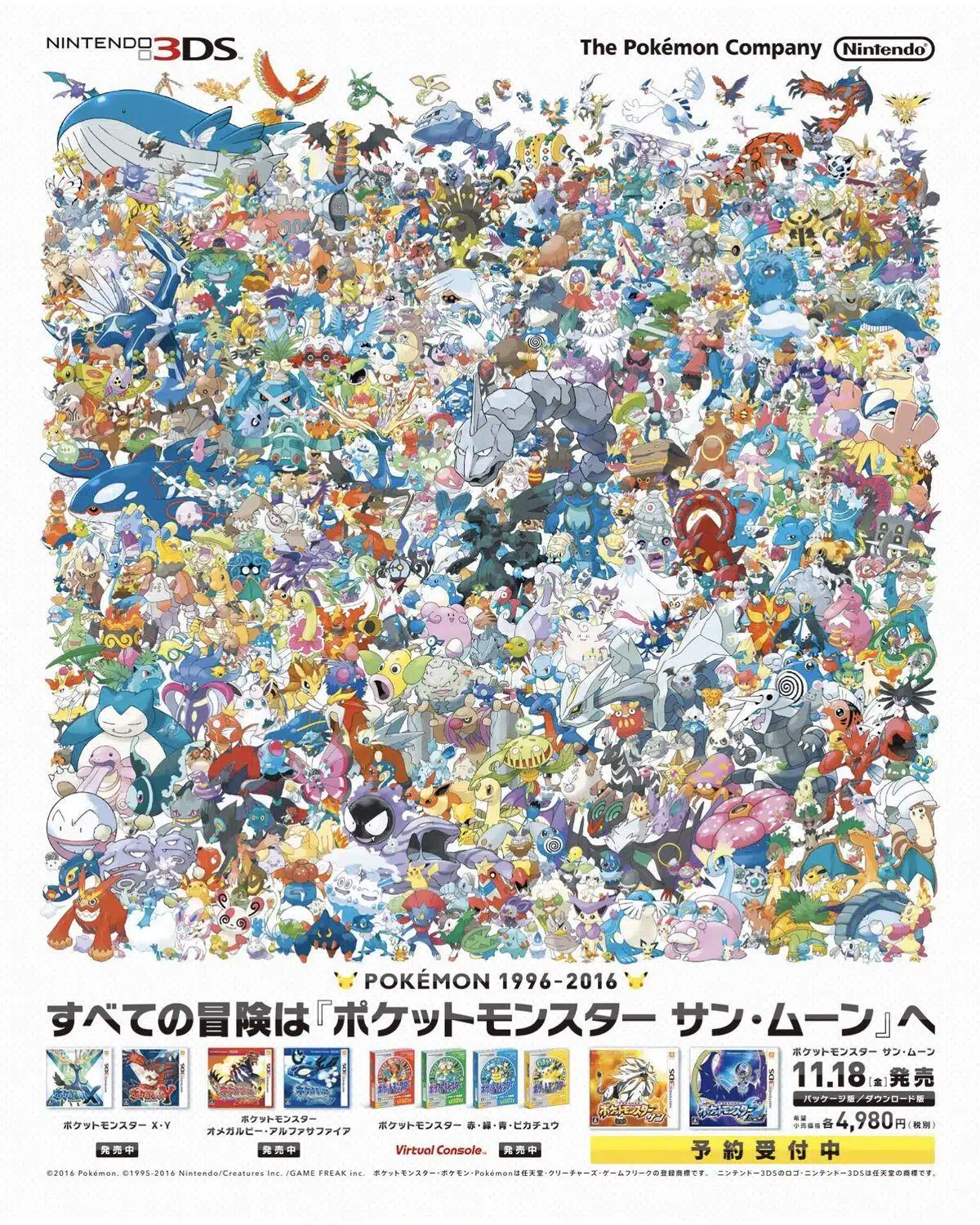
Pokémon, short for “Pocket Monsters,” began as a video game created by Satoshi Tajiri and Ken Sugimori, and was released by Nintendo in 1996. The franchise quickly expanded into television shows, trading card games, movies, and merchandise. The Pokémon anime series premiered in Japan in 1997 and followed the adventures of Ash Ketchum, who aims to become a Pokémon Master.
Key Features of the Pokémon Franchise
- Video Games: At the core of Pokémon is its series of video games focused on capturing and training creatures known as Pokémon.
- Trading Card Game: The Pokémon Trading Card Game allows players to battle using decks made up of Pokémon cards.
- Merchandising: Pokémon’s vast range of products includes toys, apparel, and more, contributing to its status as a global brand.
Is Pokémon Considered Anime?
Defining Pokémon as Anime
The fundamental question remains: Is Pokémon considered anime? The answer is an emphatic yes. Since Pokémon originated in Japan, was produced by Japanese companies, and adheres to the stylistic and narrative characteristics of anime, it fits firmly within the category of anime.
Why Pokémon is Classified as Anime
- Japanese Origin: Pokémon was created in Japan and continues to be developed and distributed by Japanese companies such as Nintendo and The Pokémon Company.
- Animation Style: The Pokémon anime features the typical visual style associated with anime, including character design, vibrant colors, and fluid animation.
- Diverse Genres: The Pokémon series contains numerous episodes, films, and spin-offs, which explore various genres and themes aligned with other anime series.
The Global Impact of Pokémon as Anime
Cultural Significance
The success of Pokémon has transcended borders, making it a staple of global pop culture. Its influence can be seen in various forms of entertainment and media worldwide, leading to the proliferation of anime as a prominent genre outside Japan.
Pokémon’s Role in Promoting Anime
- Anime Popularization: Pokémon played a pivotal role in introducing Western audiences to the world of anime. Its catchy theme song, recognizable characters, and engaging storylines contributed to the growing interest in Japanese animation.
- Influence on Future Works: The popularity of Pokémon paved the way for other anime series to gain traction in the West, including titles like “Naruto,” “Dragon Ball,” and “My Hero Academia.”
The Evolution of Pokémon in Anime
Changing Trends in Animation
Since its initial release, Pokémon has evolved significantly in terms of storytelling, character development, and animation quality. The series has adapted various themes and elements to resonate with contemporary audiences.
Significant Developments in the Pokémon Anime
- Character Growth: From the early episodes, Ash Ketchum’s character has experienced tremendous growth, evolving from an inexperienced trainer to a formidable Pokémon Master.
- Expanded Lore: The Pokémon universe has expanded through various seasons, introducing new regions, Pokémon, and lore that enhance the viewer’s experience.
- Modern Techniques: Advances in animation technology have seen Pokémon embrace new techniques and styles, providing a visually captivating viewing experience.
The Pokémon Community
Fan Engagement and Culture
Another vital aspect of Pokémon being considered anime is the vibrant community that surrounds it. Fans from all walks of life engage in discussions, create fan art, and organize events centered around Pokémon. This community plays an essential role in shaping the series’ identity as an integral part of the anime landscape.
Fan Activities
- Cosplay: Fans often dress as their favorite characters at conventions and gatherings, demonstrating their love for both Pokémon and anime culture.
- Fan Art and Fiction: The creativity within the community has led to the proliferation of fan art and fan fiction that further depicts the Pokémon universe.
- Online Communities: Social platforms and forums serve as spaces where fans can discuss theories, share experiences, and connect over their love for the franchise.
Pokémon’s Cultural Influence on Modern Anime
A Benchmark for Success
Pokémon’s success has set a benchmark for future anime franchises, influencing areas such as merchandise, storytelling, and character development. It serves as a reference point for new shows and games, and its innovative marketing strategies have become staples in the industry.
Learning from Pokémon
- Merchandising Strategies: Pokémon’s approach to merchandise illustrates the potential for expanding a brand beyond its primary medium.
- Cross-Media Development: The franchise’s interconnectivity across video games, anime, and merchandise serves as a model for other anime series looking to create a comprehensive brand presence.
Conclusion
the question “Is Pokémon considered anime?” is firmly answered in the affirmative. Pokémon’s origin in Japan, its adherence to the stylistic conventions of anime, and its significant impact on global culture speak volumes about its place within the anime canon. The franchise has not only entertained millions but has also played an essential role in promoting anime to audiences worldwide. As it continues to evolve and expand, Pokémon will undoubtedly remain a pivotal part of the anime landscape for years to come.
For further exploration and detailed insights about anime, you can visit Anime News Network and MyAnimeList.

