

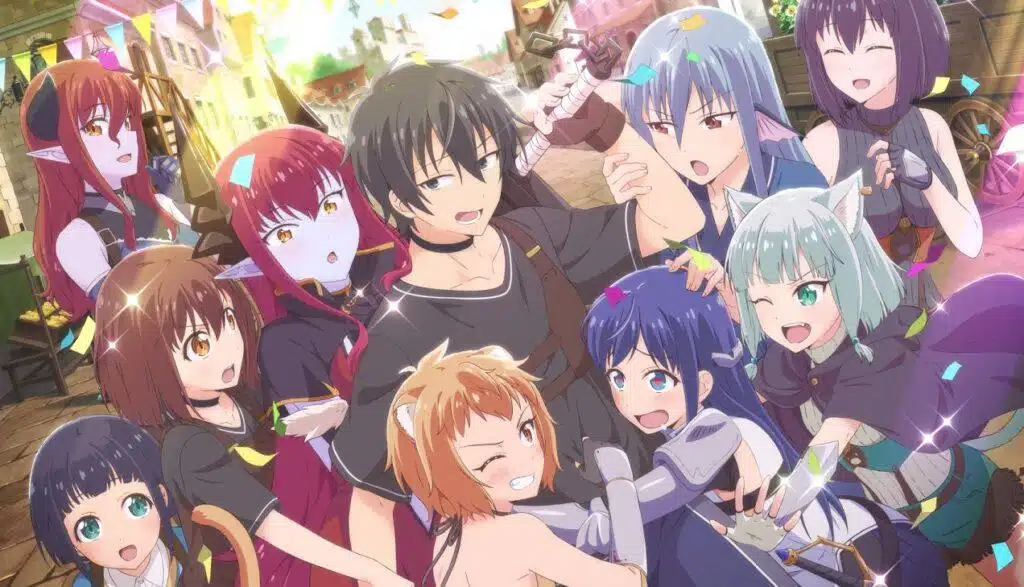
Can harem anime have a serious storyline?
In the expansive realm of anime, numerous themes and genres capture audiences, but few are as compelling and widely recognized as the harem genre. What does harem mean in anime? It refers to a narrative structure where a central character, usually male, is surrounded by multiple characters of the opposite gender who are romantically interested in him. This concept typically invites a blend of romantic tension, comedy, and sometimes action, appealing specifically to viewers who enjoy intricate character dynamics and emotional depth.
Understanding Harem Genre in Anime
Definition of Harem in Anime
The term “harem” originates from the Arabic word, which denotes a secluded space reserved for a family or specific individuals, particularly women. In anime, the harem genre develops around a male protagonist surrounded by several female characters, each vying for his affection. This setup facilitates romantic engagements that vary from lighthearted and comedic to serious emotional connections.
Characteristics of Harem Anime
Harem anime tends to share several key characteristics that define the experience for viewers:
No products found.
- Central Male Protagonist: The story typically centers around one male character, who eventually becomes the object of affection.
- Multiple Female Characters: There is a diverse cast of female characters, each with distinct personalities and reasons for their affection toward the protagonist.
- Romantic Rivalry: The relationship dynamics often involve rivalry among female characters, creating tension and dramatic narrative arcs.
- Comedy and Fan Service: Many harem anime incorporate comedic elements and fan service to enhance viewer engagement, appealing to a broader audience.
- Evolving Relationships: The relationships evolve throughout the series, leading to various emotional resolutions, cliffhangers, or even open-ended conclusions.
No products found.
Popular Harem Anime Titles
To illustrate the prevalence and appeal of what does harem mean in anime, here are some noteworthy titles that have captured audiences:
| Title | Synopsis |
| Tenchi Muyo! | This foundational harem anime showcases Tenchi, whose peaceful life is turned upside down by alien women vying for his affection. |
| Sword Art Online | A blend of action and romance, this series features Kirito, who finds himself entangled in romantic interests within a virtual game. |
| To Love-Ru | This series chronicles the exaggerated romantic misadventures of Rito, who becomes involved with multiple alien girls. |
| The World God Only Knows | Keima seeks to conquer the hearts of various girls within a dating sim framework, showcasing humor and romance. |
These titles highlight the versatility of the harem genre, showcasing different storytelling techniques and genres while staying true to the foundational premise.
The Appeal of Harem Anime
Emotional Engagement and Character Development
One of the significant draws of what does harem mean in anime is the emotional engagement it offers. Viewers become invested in the characters’ journeys, watching how their relationships mature and evolve. Harem anime often delve into themes of love, friendship, jealousy, and personal growth, resonating with viewers’ experiences. The variety of characters allows for exploring various personalities, demonstrating different facets of relationships.
Audience Connection and Representation
Harem anime serves as a form of escapism, allowing the audience to connect with characters that represent various facets of Japanese youth culture. For many, these stories reflect their experiences, dreams, and aspirations when it comes to romance and friendship. This strong connection contributes to the genre’s popularity, as it embodies a bridge between fantasy and reality.
Light-hearted Fun and Humor
The humorous undertones prevalent in many harem anime provide a light-hearted approach to potentially serious topics like romance and relationships. This blend of comedy with romantic themes invites viewers to enjoy the series without taking the emotional stakes too seriously, thus making harem anime an enticing choice for diverse audiences.
The Evolution of Harem Trope
Traditional vs. Modern Harem Anime
As with any genre, what does harem mean in anime has evolved over the years. Traditional harem anime often depicted stereotypical character types, known as “archetypes,” such as the shy girl, the outgoing one, or the childhood friend. In contrast, modern harem anime tend to paint richer, more complex characters with backstories that add depth to their interactions with the central protagonist.
Sub-Genres and Variations
The harem genre has expanded into various sub-genres that showcase different storytelling styles. Here are some notable variations:
- Reverse Harem: Instead of a male protagonist, reverse harem features a female lead surrounded by multiple male characters enamored with her.
- Harem-comedy: This sub-genre emphasizes comedy, often exploring absurd situations and misunderstandings between characters.
- Harem-action: Combining action elements with romantic storylines, these anime typically involve adventures, quests, or battles alongside the romantic tension.
Harem in Cultural Context
Harem Trope in Anime and Western Media
What does harem mean in anime is also contextualized within broader cultural norms. While harem anime has resonated strongly within Japanese culture, its influence can be seen in western media and entertainment. Concepts of romance and love triangles appear in many forms, although they often adhere to different cultural storytelling norms.
Viewer Perspectives and Cultural Reception
Audience reception of harem anime varies on a global scale, reflecting distinct cultural attitudes toward romance, relationships, and gender roles. For example, certain viewers appreciate the traditional aspects of harem while others critique it for reinforcing stereotypes and unrealistic expectations. This dichotomy makes harem a fascinating subject in discussions about cultural exchange and media consumption.
Critiques and Challenges of Harem Anime
Gender Representations and Stereotypes
Despite their popularity, what does harem mean in anime is often questioned concerning gender portrayals. Critics point out that the majority of harem anime reinforce traditional gender roles, presenting women primarily as objects of desire. This critique has spurred discussions on the need for more nuanced and diverse representations of characters within the genre.
Plot Development and Resolution
Another common critique involves the plot development and resolutions found in harem anime. Some viewers express dissatisfaction with open-ended conclusions that leave romantic relationships unresolved or rely on cliches. Audiences often seek more satisfying conclusions that provide closure and a sense of progression in character arcs.
The Future of Harem Anime
As the genre continues evolving, what does harem mean in anime is likely to adapt to contemporary viewer expectations. There’s increasing demand for shows that challenge existing stereotypes and innovate within traditional frameworks. As audiences seek more diverse, gender-inclusive narratives, it’s essential for creators to explore new themes and character dynamics within the harem genre.
Conclusion
what does harem mean in anime encompasses a rich tapestry of storytelling, character dynamics, and romantic engagements. The genre’s blend of humor, drama, and emotional depth enables a connection with audiences, drawing them into the intricate world of relationships. By exploring its complexities, from emotional engagement to cultural implications, one can appreciate the enduring appeal and evolving nature of the harem genre in anime. As creators respond to critiques and changing viewer expectations, the future of harem anime promises exciting new opportunities for character and storytelling innovation.
For further exploration into the significance of this genre, readers can refer to these reputable sources: Anime News Network and Crunchyroll.

