
Are cartoons and anime produced in different cultural contexts?
What is the difference between cartoons and anime? This question has sparked discussions among fans of animated media worldwide. While both forms of animation share similarities, they are distinct in style, cultural significance, and storytelling techniques. In this article, we will explore these differences in depth, shedding light on their unique characteristics, production methods, and target audiences.
Understanding the Basics of Cartoons and Anime
To effectively answer the question, ”What is the differernce between cartoons and anime?” we first need to define what each term means.
Definition of Cartoons
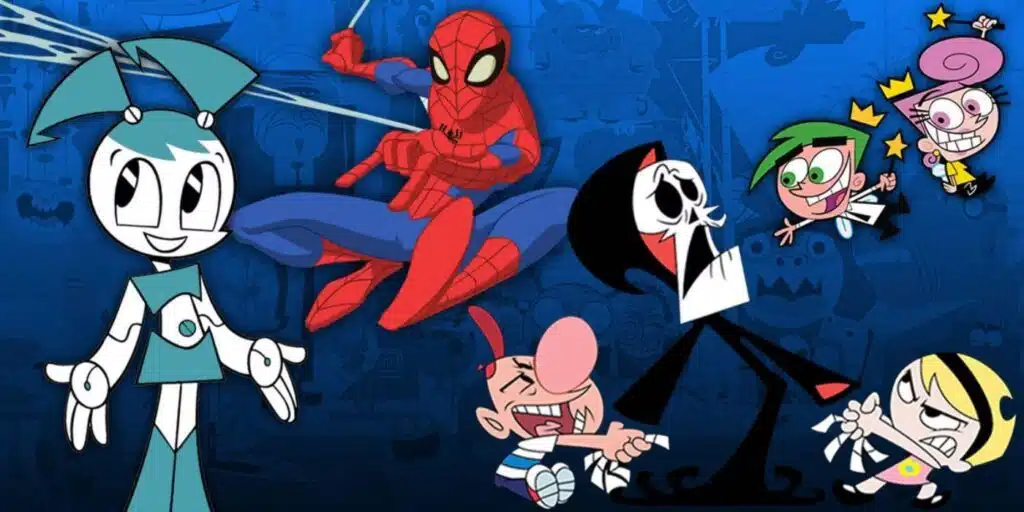
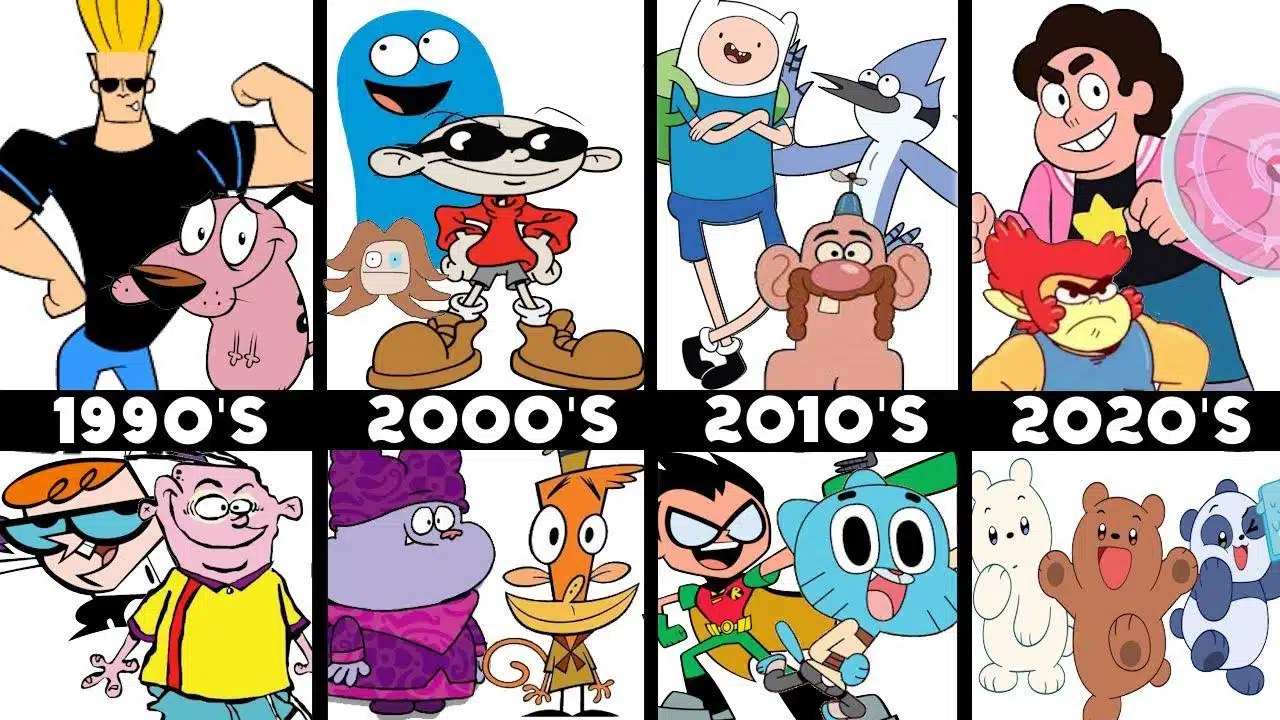
Cartoons refer to animated television shows or films that are typically produced in Western countries. They are characterized by their colorful artwork, exaggerated character designs, and humorous storylines. Generally aimed at a younger audience, cartoons often employ simple plots, comedic elements, and moral lessons. Some classic examples of cartoons include:
No products found.
- Tom and Jerry
- Mickey Mouse
- SpongeBob SquarePants
Definition of Anime
Anime, on the other hand, is a style of animation that originated in Japan. It encompasses a wide range of genres aimed at various age groups, including children and adults. Anime features a distinctive art style that often includes detailed backgrounds, varied character designs, and an emphasis on emotional storytelling. Popular examples of anime include:
- Naruto
- Attack on Titan
- My Neighbor Totoro
No products found.
Style and Artistry: Cartoons vs. Anime
Visual Style Characteristics
One of the most noticeable differences between cartoons and anime lies in their artistic style.
1. Character Design
Cartoons often adopt a simplistic and exaggerated style, emphasizing humor and expressiveness. Characters might have oversized heads, overly exaggerated features, and a more “childish” appearance. Anime, however, tends to focus on proportionate, often more realistic designs. Anime characters usually have large eyes, unique hairstyles, and intricate details that can denote a character’s personality or background.
2. Background and Setting
Cartoons typically feature vibrant and less detailed backgrounds, designed to maximize the comedic impact of the character’s antics. In contrast, anime often showcases highly detailed environments, designed to immerse viewers in the story’s world. For instance, anime like Your Name presents stunning visuals that highlight settings in a way that enhances the narrative.
Animation Techniques
The techniques used in producing cartoons and anime also reflect their differences.
1. Frame Rate
Typically, cartoons are animated at a lower frame rate compared to anime. While standard cartoons may use 12 frames per second (fps), anime often enhances this with smoother transitions and more frames, resulting in a fluid visual experience.
2. CGI Integration
Recent trends have seen the integration of computer-generated imagery (CGI) in both mediums, but anime has taken a more significant leap in this direction, utilizing CGI to create dynamic action scenes and fantastical elements while retaining a traditionally hand-drawn aesthetic.
Storytelling and Themes: A Core Difference
Target Audience
When considering “What is the differernce between cartoons and anime?” storytelling and intended audiences offer crucial distinctions.
1. Audience Range
Cartoons are primarily geared towards children and often include simple moral lessons or slapstick humor, while anime addresses a wider demographic, ranging from children to adults. For instance, anime like Death Note deals with complex psychological themes, moral ambiguity, and societal issues, which may not be suitable for younger audiences.
2. Emotional Depth
Anime frequently explores deep emotional themes and character development, allowing for multi-dimensional narratives. In contrast, cartoons traditionally focus on humor and entertainment, often sacrificing deeper storytelling techniques. Characters in anime, such as those in Your Lie in April, experience profound growth and emotional arcs that resonate with older viewers.
Genre Variety
Anime encompasses a plethora of genres, including:
- Shonen (teen male): My Hero Academia
- Shojo (teen female): Fruits Basket
- Seinen (adult male): Berserk
- Josei (adult female): Nana
This genre diversity allows anime to cater to various interests and narratives, while cartoons usually remain focused on family-friendly humor or adventure themes.
Cultural Significance and Influence
Origins and Cultural Context
Understanding “What is the differernce between cartoons and anime?” involves considering their cultural roots.
1. Cultural Reflection
Cartoons often reflect Western cultural norms, values, and humor, with storylines that may center around family, friendship, or adventure. Anime, contrastingly, is deeply rooted in Japanese culture, often incorporating aspects like honor, folklore, and themes pertinent to Japanese society.
2. Global Reach
Anime has gained immense global popularity, leading to the emergence of subcultures and communities dedicated to it. Over time, it has fostered a unique fandom and inspired Western creators. Shows like Avatar: The Last Airbender, though not technically anime, exhibit clear influences from the medium.
The Future of Cartoons and Anime
Evolving Genres and Technologies
The animation landscape is rapidly evolving, with technology playing a key role in both genres. The rise of digital platforms allows for greater accessibility, enabling audiences to enjoy both cartoons and anime at their convenience.
1. Streaming Platforms
With the proliferation of streaming platforms like Netflix, Disney+, and Crunchyroll, viewers have unprecedented access to a variety of animated content. This has led to an increase in crossover projects that blend elements from both cartoons and anime, reshaping traditional definitions.
Emerging Trends
As storytelling techniques and animation styles continue to evolve, new trends are emerging in both genres.
1. Hybrid Forms
Recent examples of hybrid projects showcase the merging of cartoon and anime elements, like The Dragon Prince. Such series utilize anime-inspired animation to tell stories rooted in cartoonish humor.
2. Expanding Fanbases
With the growing popularity of anime in Western countries, we might see an increasing number of collaborations that draw from both cultures. This creates unique opportunities for storytellers to innovate and reach larger audiences.
Conclusion: The Distinct Worlds of Cartoons and Anime
understanding “What is the differernce between cartoons and anime?” is essential for appreciating the rich tapestry of animated storytelling. While both forms hold unique artistic and thematic qualities, they cater to different audiences and emotional experiences. As animation continues to evolve and cross cultural boundaries, the future may bring exciting new developments that blur the lines between cartoons and anime.
Ultimately, both cartoons and anime have their place in our hearts and on our screens, providing entertainment, inspiration, and joy for generations to come. For more insights into the world of animation, consider exploring reputable sites like Anime News Network and Cartoon Brew.

