

What are some common misconceptions about anime and cartoons?
What’s the difference between anime and cartoons? This is a question often posed by fans and newcomers to the vibrant worlds of animated entertainment. Despite their visible similarities, anime and cartoons are distinct forms of art that vary significantly in origin, style, themes, and cultural context. In this article, we will delve into the specifics of these two forms of animated storytelling, illuminating their unique characteristics and comparing them comprehensively.
Cultural Origins of Anime and Cartoons
Anime originates from Japan and is characterized by its unique artistry and storytelling approach. Japanese animation (anime) has its roots in the early 20th century, heavily influenced by Western animations but quickly developing its iconic style. On the other hand, cartoons, primarily an American creation, gained popularity in the 1920s with creators like Walt Disney leading the charge.
No products found.
Key Differences in Cultural Context
- Artistic Style and Techniques
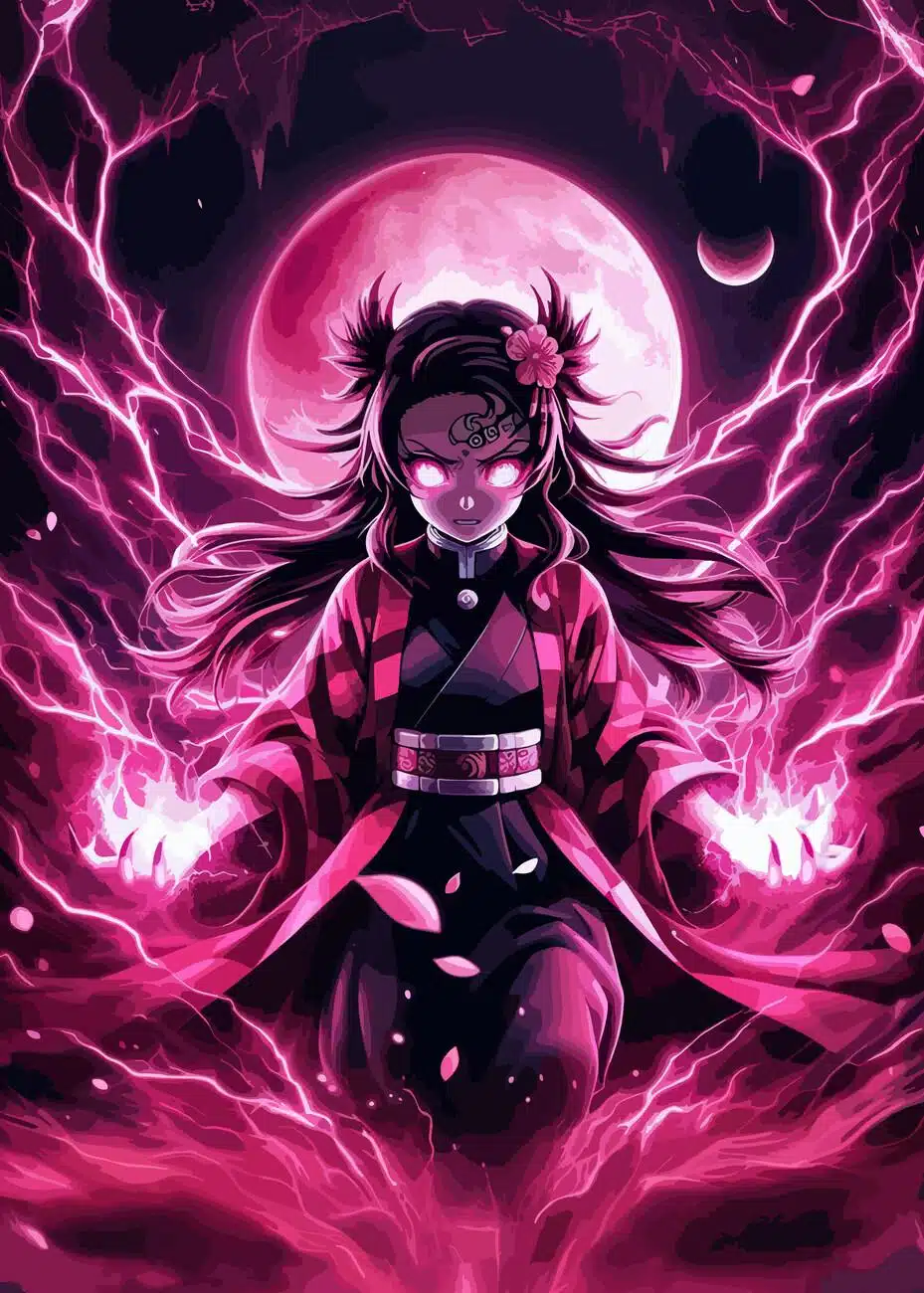
– Anime Style: Anime features distinct character designs, including large eyes, colorful hair, and exaggerated facial expressions. The animation often combines 2D and 3D techniques, enhancing the visual depth of the story. The use of backgrounds and environmental details is significant, creating immersive worlds.
– Cartoon Style: Cartoons generally adopt a more simplistic and exaggerated style. Character designs often emphasize humor and caricature. The use of vivid colors is prevalent, but the focus is more on the storyline and comedy rather than detailed artwork.
- Themes and Storylines
No products found.
- Anime Themes: Anime covers a broad spectrum of genres and themes, ranging from action to romance, horror, and psychological thrillers. An emphasis is placed on character development, complex plotlines, and emotional depth, appealing to diverse demographics, including adults.
– Cartoon Themes: Cartoons tend to be more geared towards children and family-friendly content, focusing on humor and moral lessons. However, many modern cartoons do incorporate themes that resonate with older audiences, blurring the lines in recent years.
The Role of Target Audience in Anime and Cartoons
Understanding the target audience is crucial when exploring what’s the difference between anime and cartoons?
- Anime: Anime caters to a wide demographic, attracting children, teenagers, and adults. Many anime series include mature themes and intricate plots, often leading to a substantial following beyond their country of origin. Shows like Attack on Titan and Death Note have gained immense popularity globally, showcasing anime’s ability to transcend cultural boundaries.
- Cartoons: Traditionally designed for younger audiences, cartoons aim to entertain children while teaching important life lessons. However, shows like The Simpsons, Family Guy, and Rick and Morty appeal to adult audiences with satirical humor and complex storytelling.
Animation Techniques and Production Quality
Another critical factor in understanding what’s the difference between anime and cartoons? is the approach to animation techniques and production quality.
- Animation Techniques in Anime
– Anime often relies on techniques such as limited animation, which uses fewer frames per second than traditional animation. This allows for creating detailed art scenes while maintaining a manageable production budget.
- The combination of hand-drawn elements and computer-generated techniques adds depth to visual storytelling, enhancing emotional resonance.
- Animation Techniques in Cartoons
– Cartoons typically use full animation, showcasing more frames per second, which creates a smooth flow of motion. This technique emphasizes comedic timing and exaggerated actions.
– Modern cartoons also integrate advanced technologies, including CGI (Computer-Generated Imagery), to create dynamic and visually captivating content.
Societal Reflections and Cultural Influences
Both anime and cartoons reflect their respective societies’ values and sentiments.
- Cultural Impact of Anime: Anime often tackles societal issues, philosophy, and existential themes, offering viewers the ability to reflect on their realities. Works like Your Name or Spirited Away explore love, loss, and the importance of human connections. They symbolize Japan’s rich cultural heritage and modern societal challenges.
- Cultural Impact of Cartoons: Cartoons usually mirror the humorous aspects of societal life, often serving as satire to comment on politics, relationships, and everyday situations. Shows like South Park and The Boondocks critique contemporary society, underscoring the significance of humor in commentary.
Emotional Depth and Character Development in Anime and Cartoons
When evaluating what’s the difference between anime and cartoons?, emotional depth and character development stand out as significant differentiators.
- Character Development in Anime: Anime is known for its intricate character arcs that allow viewers to witness growth over time. This depth fosters attachment and investment in the characters, as they navigate complex relationships and personal dilemmas.
- Character Development in Cartoons: While cartoons do have character development, it often leans towards episodic narratives. Characters can undergo changes; however, they usually return to their original states at the end of episodes, preserving comedic elements rather than emotional growth.
The Global Phenomenon of Anime and Cartoons
In recent years, both anime and cartoons have gained international traction, with dedicated fan bases worldwide.
- Global Popularity of Anime: Streaming platforms have significantly contributed to the global admiration of anime. Titles like My Hero Academia and Demon Slayer have sparked a new era of anime fervor outside Japan, leading to conventions, merchandise, and fan art.
- Global Popularity of Cartoons: The advent of digital streaming channels has similarly escalated the reach of cartoons, leading to increased diversity in animated offerings. Cartoons like Avatar: The Last Airbender and The Legend of Korra have gained cult statuses, reflecting their variability in themes and audience engagement.
The Future of Anime and Cartoons
Both anime and cartoons continue to evolve, adapting to technological advancements and changing audience preferences.
- The Future of Anime: The anime industry shows no signs of slowing down, with continuous investment in production quality, storytelling, and genre diversity. Collaborations between Western and Japanese animation studios may create exciting crossover possibilities.
- The Future of Cartoons: The growing acceptance of animation as a legitimate storytelling medium indicates a promising future for cartoons. They are diversifying into new themes, and genres, and even exploring formats like web series.
Conclusion on the Distinction between Anime and Cartoons
Understanding what’s the difference between anime and cartoons? is essential for appreciating their unique contributions to the world of entertainment. While both forms utilize the art of animation, they cater to different cultural, social, and emotional narratives. By acknowledging these differences, audiences can enjoy the diverse experiences offered by each medium.
As animated storytelling continues to innovate, both anime and cartoons will undoubtedly continue to grow, engage, and inspire viewers around the world. For further insights on Japanese anime and its cultural significance, check out Anime News Network.
Digital Resources for Further Exploration
Here are some informative resources that delve deeper into the world of anime and cartoons.
| Resource | Description |
|---|---|
| Crunchyroll | Streaming platform for anime series and films. |
| Cartoon Brew | News and information about the animation world. |
By embracing the unique elements that define anime and cartoons, enthusiasts can foster a deeper understanding of both art forms and enjoy what they uniquely offer.

