
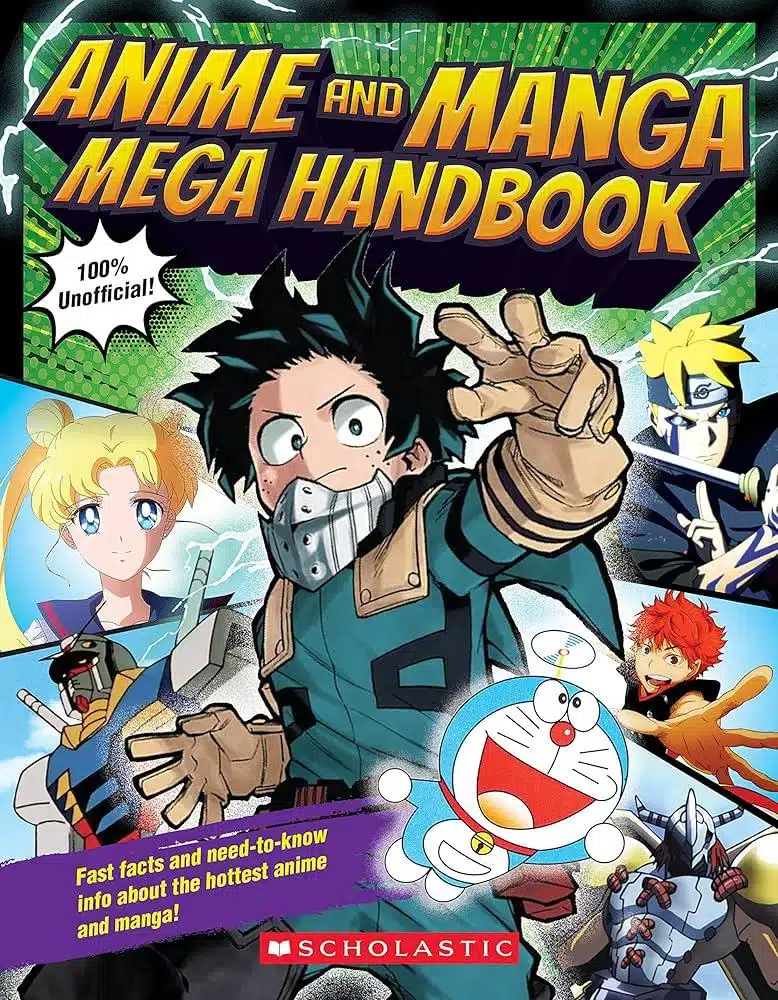
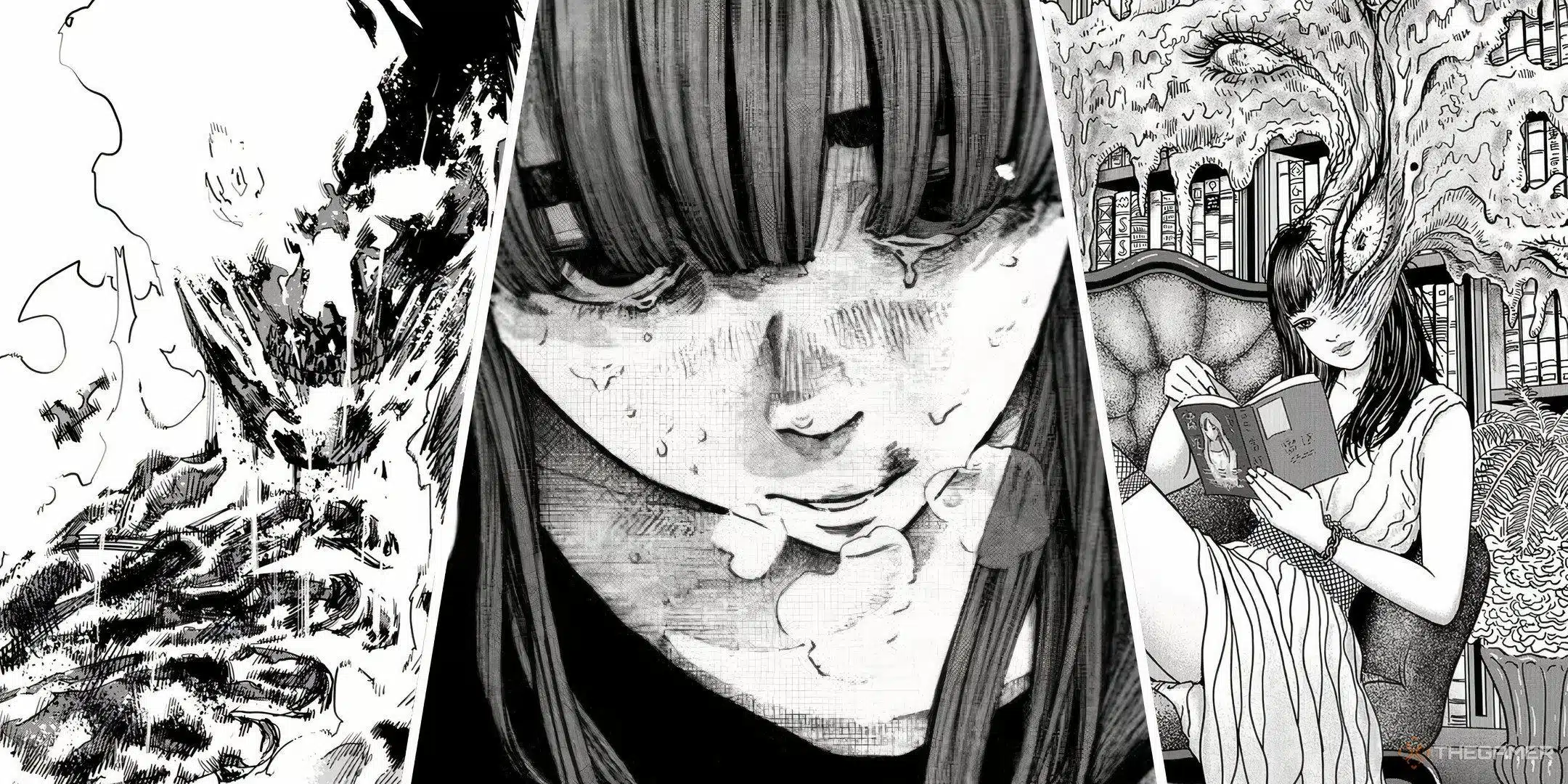
– What are some popular examples of manga that have been adapted into anime?
Understanding the Difference Between Manga and Anime
In the world of Japanese entertainment, two terms—manga and anime—often come up in discussions. When someone asks, “What’s the difference between manga and anime?” they are pointing to two closely related yet distinctly different forms of media. Anime refers to animated productions, while manga signifies printed comics or graphic novels. In this article, we will delve deeper into these two fascinating elements of Japanese culture, their characteristics, origins, and impact on global media, helping answer the frequently asked question, “What’s the difference between manga and anime?”
Defining Manga and Anime
What is Manga?
Manga is a style of comic books and graphic novels that originates from Japan. Typically characterized by black-and-white illustrations, manga has continued to evolve since its origins in the early 20th century. Here are key features of manga:
No products found.
- Artistic Style: Manga employs a unique visual aesthetic, with exaggerated facial expressions, stylized character designs, and intricate backgrounds.
- Serialization: Many manga series are serialized in magazines before being collected into volumes called “tankōbon.” This gives readers a chance to follow the story over time and build anticipation.
- Genres and Themes: Manga covers a wide range of genres and themes, from romance and horror to fantasy and science fiction, attracting diverse audiences.
What is Anime?
Anime is the animated counterpart of manga and encompasses a broad range of animated works produced in Japan. The art style is often inspired by and derived from manga, but it introduces unique elements due to the animated format. Here are some important attributes of anime:
- Diverse Formats: Anime can exist as television series, films, or even web series, with varying lengths and types of storytelling.
- Color and Movement: Unlike manga, anime combines color, voice acting, music, and motion, offering a dynamic viewing experience.
- Adaptations: A significant portion of anime is adapted from manga series, light novels, or video games, bringing beloved stories to life on screen.
No products found.
Key Differences Between Manga and Anime
While manga and anime complement each other, understanding their differences is essential for fans and newcomers alike.
Visual Presentation
An immediate distinction between manga and anime is their presentation. Manga’s intricate black-and-white illustrations draw readers in through static images, inviting them to use their imagination to interpret emotions and actions. In contrast, anime’s use of vibrant colors, movement, and audio creates a multisensory experience that engages viewers in a different way.
Consumption Format
Manga is typically consumed as printed material, allowing readers the freedom to explore it at their own pace. On the other hand, anime requires fixed viewing times, as viewers must watch episodes or films in real-time. This difference in consumption formats greatly influences how stories are told and experienced.
Storytelling Techniques
The storytelling in manga often allows for more character development and detailed exposition. Since manga chapters come out weekly or monthly, they offer creators time to construct complex plots with in-depth narratives. Conversely, anime often condenses story arcs to fit within a limited timeframe; thus, some nuances might be lost. However, anime can leverage visual storytelling through dynamic sequences and creative adaptations.
Cultural Impact of Manga and Anime
Manga’s Global Penetration
Manga has significantly shaped the global comic landscape, influencing the style and storytelling of various other graphic narratives. Major titles like “One Piece,” “Naruto,” and “Attack on Titan” have garnered huge followings outside Japan, leading to the growth of local manga markets worldwide. The availability of translations and digital platforms has made it even easier for international audiences to engage with the medium.
The Rise of Anime Worldwide
Anime has, in recent years, outstripped manga in popularity, thanks in part to streaming platforms that make it accessible to international audiences. Successful franchises like “My Hero Academia” and “Demon Slayer” have led to increased recognition and appreciation for this art form. Anime conventions, cosplays, and merchandise have brought fans together, enhancing community engagement across the globe.
Cross-Pollination of Media
The relationship between manga and anime is reciprocal; popular manga often inspires anime adaptations, and successful anime can drive manga sales. This cross-pollination has led to a thriving ecosystem where both forms complement each other. Fans eager to delve into the original stories often turn to manga after watching an anime series.
Why Choose One Over the Other?
Advantages of Consuming Manga
- Detailed Storylines: Since manga often allows for longer storytelling, readers may find richer character arcs and deeper plots.
- Pace Control: Readers can consume manga at their own pace, allowing for easier re-reading and reflection on content.
- Art Appreciation: Many readers are captivated by the artistry and intricacy of manga illustrations, which can sometimes get lost in animated adaptations.
Advantages of Watching Anime
- Dynamic Experiences: Anime’s incorporation of music, voice, and motion brings stories to life in ways that static images cannot.
- Cinematic Quality: The production quality of many anime films rivals that of animation from around the world, making them visually stunning.
- Community Engagement: Watching anime often leads to shared experiences among fans, whether through discussions, watch parties, or community events.
Conclusion on the Difference Between Manga and Anime
understanding what’s the difference between manga and anime is crucial for fans and newcomers alike. While they share similarities in art style and storytelling, their differences in presentation, pacing, and audience engagement make each a unique entity within Japanese culture. Both manga and anime have solidified their places in the global entertainment landscape, appealing to vast audiences and inspiring countless creators.
By appreciating each medium’s strengths and nuances, fans can enjoy a more enriched and comprehensive experience of Japanese storytelling. Whether you prefer the intricate storytelling of mangaw or the dynamic artistry of anime, both formats have plenty to offer. Explore the journeys within these creative forms, and you’ll uncover the rich storytelling potential that lies in this fascinating world.
For further exploration of manga and anime, check out these reputable sources:

