

Where can I read manga online or buy printed copies?
What is a manga? This question opens the door to an exciting, diverse world of Japanese comics and graphic novels that have garnered international acclaim. Origins rooted in Japanese history, manga is more than just a form of entertainment; it’s a cultural phenomenon, reflecting Japan’s rich storytelling traditions and artistic styles. Through this comprehensive guide, we will explore the essence of manga, its unique characteristics, its various genres, and its global influence.
Understanding the Basics of Manga
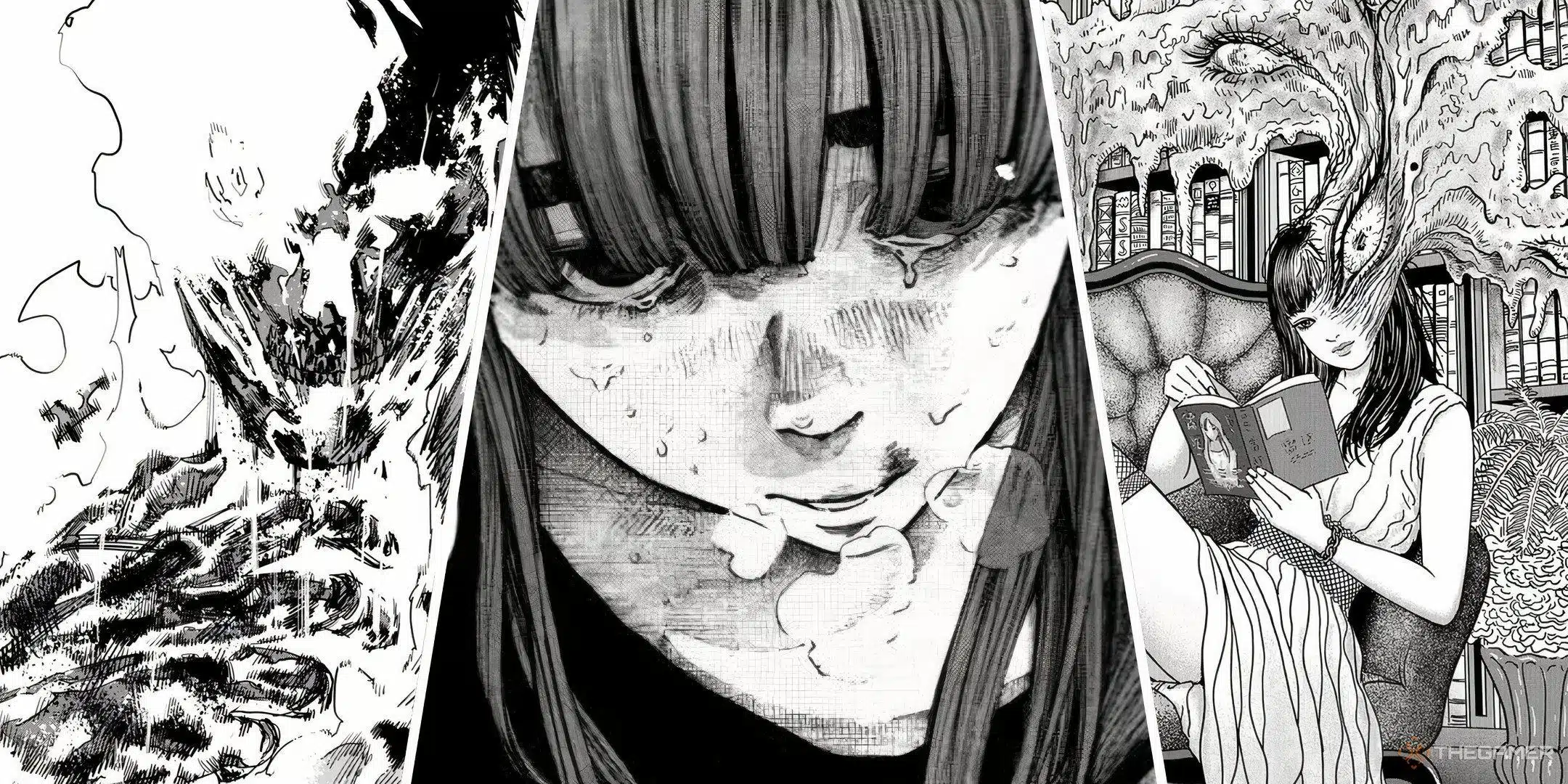
Manga refers to a style of comic books and graphic novels that originated in Japan. While the word “manga” literally translates to “whimsical pictures” in Japanese, its meaning encompasses a wide range of styles and narratives. Manga is typically characterized by its engaging storylines, vibrant characters, and a distinctive artistic style that includes exaggerated facial expressions and dynamic action sequences.
Historical Context of Manga
The history of manga can be traced back to ancient Japanese art forms. Influences from ukiyo-e (woodblock prints) and tsuzuri-e (color-printing techniques) laid the groundwork for modern manga. The term “manga” itself gained popularity in the late Edo period (1603-1868), and by the Meiji era (1868-1912), the art form began to evolve with Western influences. Notable figures, like Rakuten Kitazawa and Osamu Tezuka, played pivotal roles in defining modern manga, establishing foundational styles and storytelling techniques that continue to inspire creators today.
No products found.
Characteristics of Manga
When questioning “What is a manga?” one must consider its distinct features that set it apart from Western comics. Here are some key characteristics:
- Artistic Style: Manga artists often use a simplified yet expressive artistic style. Character features like large eyes, exaggerated facial expressions, and stylized hair contribute to emotional storytelling.
- Panel Layout: Manga is read from right to left, which is the traditional Japanese reading format. This unique layout requires readers to adapt, providing a fresh experience compared to conventional Western comics.
- Serialization: Many manga series are serialized in magazines, allowing readers to anticipate episodes regularly. This format encourages ongoing engagement with the storyline.
- Diversity of Genres: Manga encompasses a wide range of genres, appealing to various demographics, which enhances its accessibility. From action and adventure to romance and horror, there’s a manga for everyone.
No products found.
Exploring Different Genres of Manga
Understanding the various genres within manga is essential to appreciating what manga is as a whole. The genres cater to different audiences and often reflect societal trends and themes.
Shonen Manga: The Adventurous Spirit
Shonen manga is aimed primarily at young male readers, typically featuring action-packed adventures and coming-of-age stories. Popular series in this genre include:
| Title | Author | Description |
|———————|—————-|————————————-|
| Naruto | Masashi Kishimoto | Chronicles the journey of a young ninja. |
| One Piece | Eiichiro Oda | Follows a group of pirates searching for treasure. |
| Attack on Titan | Hajime Isayama | Explores humanity’s struggle against giant humanoid creatures. |
Shojo Manga: The Romantic Narrative
Shojo manga appeals primarily to young female readers, focusing on romance and personal relationships. Notable examples include:
| Title | Author | Description |
|————————-|———————|————————————|
| Sailor Moon | Naoko Takeuchi | A magical girl battles evil while navigating love. |
| Ouran High School Host Club | Bisco Hatori | A humorous take on a class of rich students and their romantic escapades. |
| Nana | Ai Yazawa | A story of two women sharing the same name and their intertwining lives. |
Seinen and Josei Manga: Adult Themes
Seinen (for men) and Josei (for women) manga delve into more mature themes, encompassing complex plots and character development.
- Seinen Manga: Focused on adult males, this genre often features deeper themes and graphic content. Examples include Berserk by Kentaro Miura and Tokyo Ghoul by Sui Ishida.
- Josei Manga: Aimed at adult females, Josei often portrays realistic love stories and relationships. Notable titles include Nana by Ai Yazawa and Paradise Kiss by Ai Yazawa as well.
The Cultural Impact of Manga
The significance of manga extends beyond entertainment; it has become a lasting part of Japanese culture and continues to influence global media.
Influence on Global Pop Culture
What is a manga? It is a global phenomenon that has influenced numerous forms of media worldwide. From anime adaptations to video games and novels, manga has inspired a generation of creators. The crossover appeal has introduced diverse audiences to Japanese culture and storytelling.
Economic Contribution
Manga is a multi-billion dollar industry. It encompasses not only the publication of comics but also merchandise, conventions, and adaptations. Major manga publishing companies like Shogakukan and Kodansha have successfully catered to both domestic and international markets, significantly contributing to Japan’s economy.
Preservation of Cultural Heritage
Manga serves as a medium for preserving and sharing Japanese culture. Genres like historical manga explore Japan’s past, while others delve into folklore and modern societal issues, helping to educate readers about complex topics while keeping traditions alive.
Understanding Manga Formats and Publications
To gain a deeper appreciation of what a manga is, it’s important to be familiar with its various formats and how they are published.
Types of Manga Publications
- Serialized Manga: Often found in magazines, serialized manga are published in chapters, keeping readers eagerly awaiting the next installment.
- Tankobon: These are compiled volumes of serialized manga chapters, usually released after a series has been serialized. They are the go-to format for most readers who wish to own collected editions of their favorite stories.
- Digital Manga: With the rise of technology, digital manga has become increasingly popular. Readers can access their favorite titles online through various platforms, making manga more accessible than ever.
Leading Manga Publishers
The landscape of manga publishing is dominated by several key players, each contributing significantly to the industry.
| Publisher | Notable Series |
|———————–|—————————————-|
| Shueisha | Naruto, Dragon Ball, One Piece |
| Kodansha | Attack on Titan, Sailor Moon |
| Shogakukan | Detective Conan, My Hero Academia |
The Global Rise of Manga
What is a manga? It’s not just a Japanese cultural export; it has become a global sensation. The rise of manga outside of Japan has seen its roots planted firmly in many cultures around the world.
Localization and Translation Efforts
The growing popularity of manga in Western countries has sparked significant localization and translation efforts. Publishers work to adapt the content while retaining the essence of the original work. Various manga retailers and online platforms have made it easier for fans globally to access their favorite titles.
Cosplay and Conventions
Manga has also inspired a vibrant cosplay culture, where fans dress as their favorite characters and participate in events around the world. Conventions dedicated to anime and manga have surged, providing a platform for fans to share their interests, meet others, and express their love for the medium. Events like Anime Expo and Comic-Con attract thousands of fans each year.
Conclusion: The Enduring Legacy of Manga
manga is a multifaceted medium that embodies incredible storytelling and artistic expression. Its genres cater to a wide audience, while its cultural impact resonates globally, fostering greater understanding and appreciation of Japanese culture. As we explore what manga is, it becomes evident that its artistry, emotional depth, and cultural significance ensure its place in both local and global contexts for years to come. For more in-depth insights on the evolution of manga and its cultural impact, you can visit Anime News Network and The Japan Times Culture Section.

