

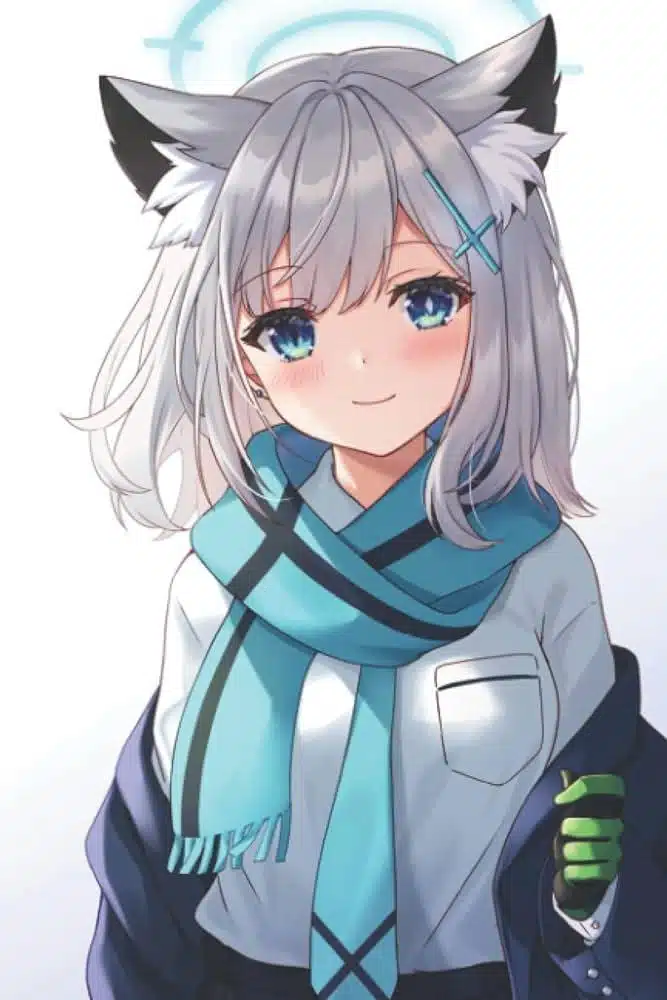
What are the defining characteristics of anime?
What makes an anime an anime? This question often arises among fans and newcomers alike, as the genre has grown to encompass a vast array of styles, stories, and cultural influences. Understanding the foundational elements that classify a work as anime helps to appreciate the rich tapestry of this unique art form. This article will explore these key attributes, cultural significance, artistic styles, and the impact of anime in global media.
Defining Anime
Anime, a term derived from the English word “animation,” refers specifically to a style of animation that originated in Japan. While the term can also be used broadly to describe all animated works, it has become synonymous with the distinctive visual and narrative characteristics associated with Japanese animation. What makes an anime an anime? The answer lies in several defining features that set it apart from other forms of animation.
Unique Artistic Style
One of the most recognizable aspects of anime is its distinctive aesthetic. Artists often employ exaggerated facial expressions, vibrant colors, and stylized characters.

- Used Book in Good Condition
- George Trombley (Author)
- English (Publication Language)
- 376 Pages - 08/22/2014 (Publication Date) - Learn From Zero (Publisher)

- Ken Fukuyama, Yuki Fukuyama (Author)
- English (Publication Language)
- 246 Pages - 10/11/2022 (Publication Date) - Independently published (Publisher)

- Used Book in Good Condition
- Sumiko Uo (Author)
- English (Publication Language)
- 6 Pages - 01/01/2005 (Publication Date) - BarCharts Publishing Inc. (Publisher)
Key Elements of Artistic Style
- Character Design: Anime characters often possess large, expressive eyes and unique hair colors, which help convey emotion and personality.
- Background Art: The environments in anime are intricately detailed, enhancing the narrative and creating immersive worlds.
- Animation Techniques: Anime employs a variety of animation techniques, including limited animation, to convey dynamic action while managing production costs. This can lead to the strategic use of still frames or a focus on striking visual sequences.
the artistic style of anime is characterized by its vibrant visuals that hold cultural significance and convey emotions effectively, evoking a sense of connection with viewers worldwide.
Storytelling Approaches
What makes an anime an anime is not just its art style but also its storytelling techniques. Anime encompasses a wide array of genres and narratives, from adventure, romance, and horror to slice-of-life stories.
Common Narrative Structures in Anime
- Used Book in Good Condition
- George Trombley (Author)
- English (Publication Language)
- 376 Pages - 08/22/2014 (Publication Date) - Learn From Zero (Publisher)
- Ken Fukuyama, Yuki Fukuyama (Author)
- English (Publication Language)
- 246 Pages - 10/11/2022 (Publication Date) - Independently published (Publisher)
- Used Book in Good Condition
- Sumiko Uo (Author)
- English (Publication Language)
- 6 Pages - 01/01/2005 (Publication Date) - BarCharts Publishing Inc. (Publisher)
- Character Development: Anime often places a heavy emphasis on character arcs and personal growth, which is vital to engaging viewers and establishing emotional ties.
- Cultural References: Many anime incorporate elements of Japanese culture, folklore, and societal issues, offering insights into Japanese life while resonating with international audiences.
- Thematic Depth: Themes such as friendship, sacrifice, and the struggle against adversity are prevalent, often leading to complex moral dilemmas that engage viewers on multiple levels.
Anime’s storytelling is unique in its ability to fuse deep emotional narratives with fantastical and imaginative elements, setting it apart from Western animation.
Cultural Context of Anime
When examining what makes an anime an anime, one must consider the cultural context in which these works are created.
Historical Evolution of Anime
Anime has its roots in early 20th-century Japanese cinema but gained significant popularity after World War II. Key developments include:
- Influence of Osamu Tezuka: Often referred to as the “God of Manga,” Tezuka’s work established a distinctive narrative style and visual approach that heavily influenced anime.
- Rise of Popular Series: From classics like “Astro Boy” to contemporary hits such as “Attack on Titan,” these series contributed to expanding anime’s global reach and acceptance.
Understanding the historical context provides insights into how cultural shifts and societal changes shaped the industry and its storytelling methods.
Impact on Global Media
Anime’s influence has transcended national boundaries, impacting global pop culture in remarkable ways.
- International Recognition: With the advent of streaming services like Crunchyroll and Netflix, anime reached a wider audience than ever before.
- Collaborations and Crossovers: There have been notable collaborations between anime studios and Western creators, blending styles and expanding narrative possibilities.
The cultural impact of anime illustrates its power to resonate with diverse audiences and contribute to a global dialogue.
Genres and Audience Appeal
What makes an anime an anime is also rooted in its diverse array of genres and the wide-ranging audiences it appeals to.
Diverse Genre Exploration
Anime is not confined to one specific genre; rather, it spans numerous categories.
- Shonen: Targeted at young males, shonen anime often features action, adventure, and coming-of-age themes (e.g., “Naruto”).
- Shojo: Aimed at young females, shojo anime frequently centers on romance and relationships (e.g., “Sailor Moon”).
- Seinen and Josei: These genres target adult audiences, presenting more mature themes and complex narratives.
This genre diversity allows anime to attract a broad spectrum of viewers, fostering a passionate fanbase.
Fan Culture and Community
Anime has spawned dedicated fan communities that contribute to its vibrant culture.
- Fandom: Creators and fans actively engage through forums, fan art, and conventions, creating a communal atmosphere that fuels the genre’s growth.
- Cosplay: Dressing up as favorite characters enhances the immersive experience of anime and connects fans even further.
The fan culture surrounding anime adds depth to the medium as viewers share their passion and creativity.
Conclusion
In answering the question, what makes an anime an anime? one finds a rich tapestry of artistic styles, narrative approaches, and cultural significance woven together. Anime is a unique art form that offers emotional depth, creativity, and cultural representation, engaging audiences worldwide. As the medium continues to evolve, its impact on global media will only grow, ensuring that anime remains a beloved and influential genre for generations to come.
To further delve into the cultural impact of anime, visit Anime News Network for updates and insights, or explore the history of this art form through Crunchyroll’s extensive library.
By understanding the foundational elements of anime, enthusiasts and newcomers alike can appreciate what truly makes an anime an anime. Whether through its artistic expressions, storytelling nuances, cultural roots, or passionate fan base, anime continues to thrive as a pivotal component of modern entertainment.

