

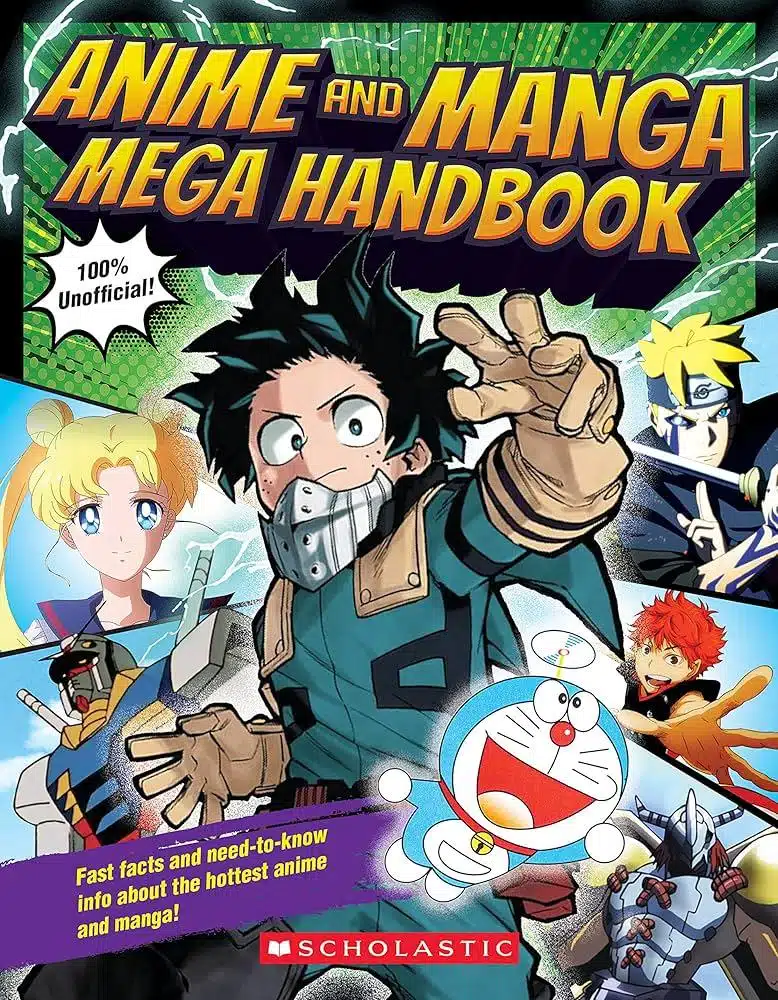
Where can I read or buy manga online?
What is the manga? It is a style of comic book and graphic novel originating from Japan that has gained immense popularity globally. Characterized by its distinct art styles and diverse genres, manga offers readers a unique storytelling experience that combines visual art with narrative depth. This article delves into the origins, styles, genres, and impact of manga, providing a comprehensive exploration of this fascinating medium.
Understanding the Origins of Manga
Manga has a rich history that dates back to the early 12th century but started to gain its modern form in the 19th century during the Meiji era. The term “manga” itself translates to “whimsical pictures,” and it encompasses a variety of artistic influences and storytelling traditions. In the early days, manga was often used to satirize political figures and societal issues. The woodblock printmaker Katsushika Hokusai is credited with popularizing the term with his “Hokusai Manga” series in the early 1800s, which featured sketches of various subjects.
The evolution of manga continued through the 20th century, especially after World War II, when it exploded in popularity. Influential artists like Osamu Tezuka, often referred to as the “God of Manga,” pioneered techniques that shaped modern manga storytelling. Tezuka’s works, such as “Astro Boy” and “Kimba the White Lion,” introduced cinematic techniques and complex characters that resonated with audiences, setting a precedent for future manga.
No products found.
Manga’s growth was also heavily influenced by cultural changes in Japan, including the rise of entertainment industries, the development of anime, and the increasing interest in comic books from Western cultures. Today, manga is not only a national treasure but also a significant export for Japan, enjoyed by millions of readers worldwide.
The Distinct Art Styles of Manga
One of the most defining features of manga is its art style, which varies significantly across different genres and artists. Here are some key characteristics:
Visual Style
- Character Design: Manga characters often feature exaggerated expressions, large eyes, and stylized hairstyles. These elements help convey emotions effectively, making it easier for readers to connect with the characters.
- Panel Layout: Unlike traditional Western comics, manga is typically read from right to left. The layout can vary widely, with flexible use of panels that enhances the flow of action and storytelling.
- Background Art: Manga artists often invest a great deal of effort into background art, using intricate details to create immersive settings. This attention to detail helps establish the overall atmosphere of the story.
No products found.
Genres and Themes in Manga
Manga covers an extensive range of genres and themes, appealing to various audience demographics. Here are some prominent genres within the manga universe:
Shonen
Targeted primarily at young males, shonen manga often features action-packed plots, adventure, and camaraderie. Popular series such as “Naruto,” “One Piece,” and “Dragon Ball” are iconic examples. These stories frequently focus on characters’ growth and self-discovery, using battle sequences and friendship as central themes.
Shojo
Shojo manga is aimed at young females and typically revolves around romance, relationships, and personal struggles. These stories often emphasize character emotions and include detailed art styles. Notable series include “Sailor Moon,” “Fruits Basket,” and “Ouran High School Host Club.”
Seinen and Josei
Seinen manga targets adult males, characterized by more mature themes, complex narratives, and sophisticated character development. Titles like “Berserk,” “Tokyo Ghoul,” and “Attack on Titan” showcase darker narratives and adult subject matter. Meanwhile, josei manga is aimed at adult females, featuring realistic portrayals of relationships and life challenges. Popular series in this genre include “Nana” and “Paradise Kiss.”
The International Impact of Manga
“What is the manga?” and why has it achieved such global prominence? Manga has transcended cultural barriers, appealing to audiences regardless of their background. This section explores how manga has impacted international media and culture.
Mainstream Acceptance of Manga
In the last few decades, manga has seen a significant increase in Western acceptance. Major publishers like VIZ Media and Kodansha USA have contributed by localizing and distributing popular manga titles, making them accessible to English-speaking audiences.
Moreover, the rise of digital platforms has revolutionized how readers consume manga. Websites and apps like Crunchyroll and Webtoon offer platforms for manga enthusiasts to read their favorite series online, further boosting manga’s popularity.
Manga Influence on Other Media
Many popular anime series are adaptations of manga, allowing for stories to reach wider audiences. Series like ”My Hero Academia” and ”Death Note” have become cultural phenomena, leading to merchandise, video games, and films, thereby increasing awareness about manga as a storytelling medium.
The influence of manga can also be seen in Western comic book industries, as creators incorporate styles and narratives inspired by Japanese practices. This fusion of artistic styles has led to innovative storytelling approaches, further enriching global comic book culture.
Manga as a Cultural Phenomenon
The impact of manga extends beyond entertainment; it serves as a medium for exploring social issues and cultural themes. Manga often addresses real-world problems, such as identity, discrimination, and relationships, engaging readers in meaningful discussions.
Manga and Social Issues
Through various genres, manga provides commentary on contemporary societal issues. Titles like “March Comes in Like a Lion” tackle mental health and personal struggles, while “Tokyo Ghoul” reflects on issues of alienation and identity. This ability to address complex themes resonates with readers and fosters empathy and understanding among diverse communities.
The Global Manga Community
The international manga community has flourished, with conventions, fan art, and online forums dedicated to discussing and celebrating manga culture. Events like Anime Expo and Comic-Con showcase manga artists and offer fans opportunities to meet their favorite creators, participate in panels, and immerse themselves in the vibrant world of manga.
Furthermore, social media platforms, including Twitter and Instagram, have become critical spaces for sharing original content, fan theories, and discussions about manga. This interconnectedness fosters a sense of community and encourages more people to explore various manga genres.
The Future of Manga
As we progress further into the digital age, what lies ahead for manga? Here are some anticipated trends:
Digital Manga and Accessibility
The digital transition of manga is likely to continue, with more creators publishing online content, reducing barriers to entry for new readers. The accessibility of digital platforms will enable emerging artists to showcase their work and attract a global audience.
Diverse Representation in Manga
The manga industry is witnessing a gradual shift towards greater diversity in representation. More creators from different backgrounds are entering the industry, introducing fresh perspectives and stories. This change will contribute to an enriched manga landscape, appealing to even broader demographics.
Conclusion: What is the Manga? A Portal to Diverse Stories
In summation, what is the manga? It represents far more than a mere comic book; it serves as a vibrant cultural medium that intertwines art with storytelling, influencing generations of readers worldwide. From profound narratives that tackle social issues to the whimsical and adventurous tales that captivate young audiences, manga has carved a significant niche in the world of entertainment.
With its rich history, unique art styles, and diverse genres, manga continues to evolve and adapt in the face of changing cultural landscapes. Its extensive impact on global media, coupled with a growing community of passionate fans, ensures that manga will remain relevant and cherished for years to come.
For further insights into the history and significance of manga, check out this informative source on blank”>MangaUpdates.

