
1. Introduction
When it comes to dinner, it is important to consider what kind of drinks are available to accompany the meal. In Japan, there is a wide variety of drinks that can be enjoyed with dinner, both alcoholic and non-alcoholic. From traditional beverages such as sake and green tea to modern favorites such as beer and whiskey, there are plenty of options for those looking for something to sip on during their meal. In this article, we’ll take a look at what Japanese people drink with dinner, including traditional drinks, non-alcoholic beverages, popular brands in Japan, regional and seasonal variations, etiquette and customs when drinking in Japan.
2. Traditional Drinks
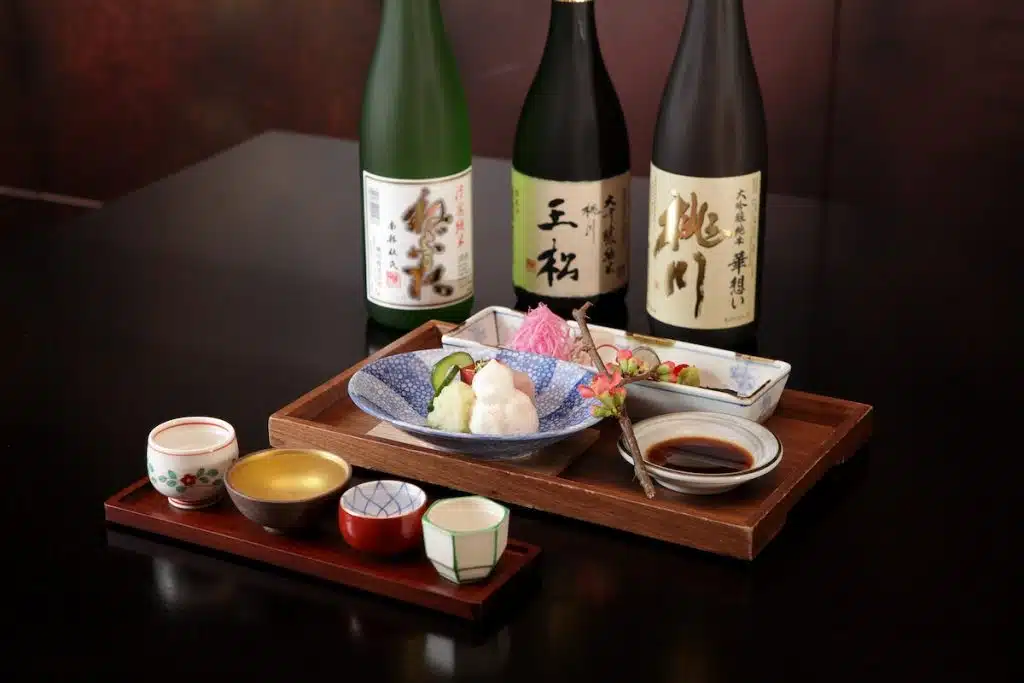
When it comes to traditional Japanese beverages that are served with dinner, sake is probably the most famous option. Sake is a type of rice wine that has been brewed for centuries in Japan and is often served warm or cold depending on preference. Other popular traditional drinks include green tea (ocha), which is usually served hot or cold; shochu (a distilled spirit made from barley or sweet potatoes); and awamori (a type of distilled liquor made from long grain rice).
3. Non-Alcoholic Drinks
In addition to alcoholic beverages, there are also plenty of non-alcoholic options available in Japan. These include various types of juices such as apple juice or orange juice; carbonated drinks like cola; sports drinks like Pocari Sweat; tea such as green tea or oolong tea; coffee; and flavored waters like Calpis Water or Pocari Sweat Water.
4. Alcoholic Drinks
When it comes to alcoholic beverages served with dinner in Japan, beer is the most popular option by far. Japanese beers come in both light and dark varieties and can be enjoyed either cold or warm depending on preference. Other popular alcoholic options include whiskey (both domestic and imported), shōchū (a distilled spirit made from barley or sweet potatoes), awamori (a type of distilled liquor made from long grain rice), wine (both domestic and imported) and sake (rice wine).
No products found.
5. Popular Brands in Japan
When it comes to popular brands of alcohol consumed in Japan at dinner time, Asahi Super Dry beer is one of the most well-known names. Asahi Super Dry beer has become increasingly popular over the years due to its crisp taste and light body making it an ideal accompaniment for food dishes such as sushi or tempura. Other popular brands include Kirin Ichiban Shibori beer (which has a rich flavor) and Suntory Whiskey which comes in several varieties including The Yamazaki Single Malt Whisky 12 Years Old which has won numerous awards for its unique flavor profile.
6 Regional & Seasonal Variations
In addition to the more widely available alcoholic beverages mentioned above there are also some regional variations that can be enjoyed throughout different parts of Japan depending on the season. For example during summer months many people enjoy drinking nihonshu which is a type of sake brewed with fresh spring water from mountain streams while winter months will often see people drinking mugi shōchū which is made from roasted barley grains.During autumn months many people enjoy drinking amazake which is a sweet low alcohol beverage made from fermented rice while during spring months they may opt for umeshu which is a sweet liqueur made by steeping ume fruits in alcohol.
7 Etiquette & Customs When Drinking in Japan
When it comes to drinking etiquette there are certain customs that should be followed when enjoying any type of beverage in Japan whether it be alcoholic or non-alcoholic.Firstly,when pouring someone else’s drink it’s polite to use two hands,one hand holding the bottle while the other holds the glass.Secondly,when offering someone else a drink you should always pour your own glass first before pouring theirs.Finally,when clinking glasses together you should always say ‘kanpai’ meaning ‘cheers’!
8 Conclusion
In conclusion,there are many different types of drinks that can be enjoyed with dinner in Japan both alcoholic & non-alcoholic ranging from traditional favorites such as sake & green tea all the way through modern favorites like beer & whiskey.There are also regional & seasonal variations depending on where you are located within Japan along with etiquette & customs that should be followed when enjoying these beverages.
9 Sources
[1] https://www.japaninsidersguidebookbloggerzinecom/what-do-japanese-drink/
[2] https://wwwjpnscom/en/articles/what-do-japanese-people -drink /
[3] https://enwikipediaorg/wiki/Japanese_cuisine#Drinks
🇯🇵 Japan lovers, don’t miss these essential picks for learning and travel!
No products found.
When it comes to drinking etiquette there are certain customs that should be followed when enjoying any type of beverage in Japan whether it be alcoholic or non-alcoholic.Firstly,when pouring someone else’s drink it’s polite to use two hands,one hand holding the bottle while the other holds the glass.Secondly,when offering someone else a drink you should always pour your own glass first before pouring theirs.Finally,when clinking glasses together you should always say ‘kanpai’ meaning ‘cheers’!
8 Conclusion
In conclusion,there are many different types of drinks that can be enjoyed with dinner in Japan both alcoholic & non-alcoholic ranging from traditional favorites such as sake & green tea all the way through modern favorites like beer & whiskey.There are also regional & seasonal variations depending on where you are located within Japan along with etiquette & customs that should be followed when enjoying these beverages.
9 Sources
[1] https://www.japaninsidersguidebookbloggerzinecom/what-do-japanese-drink/
[2] https://wwwjpnscom/en/articles/what-do-japanese-people -drink /
[3] https://enwikipediaorg/wiki/Japanese_cuisine#Drinks
🇯🇵 Japan lovers, don’t miss these essential picks for learning and travel!
No products found.
[1] https://www.japaninsidersguidebookbloggerzinecom/what-do-japanese-drink/
[2] https://wwwjpnscom/en/articles/what-do-japanese-people -drink /
[3] https://enwikipediaorg/wiki/Japanese_cuisine#Drinks
No products found.
https://www.youtube.com/watch?v=nqvo6bN9USo
Do Japanese drink with their meals?
5. Japanese dont drink a lot of water with meals.
What do the Japanese drink after meals?
green tea
At restaurants, green tea is often served with or at the end of a meal for free. At lower end restaurants, green tea or mugicha tend to be available free for self-service, while konacha is commonly provided at inexpensive sushi restaurants.
Do Japanese people drink tea with dinner?
Actually people in Japan drink tea during or after a late dinner.
Do Japanese drink sake with dinner?
Drinks with appetizers are traditionally best enjoyed during the appetizer phase of dinner or during a typical izakaya-style tapas meal. You can also enjoy lighter sushi options like sashimi or nigiri.
What do Japanese drink the most?
Whilst sake (rice wine) is the national drink of Japan, lager-beer (pronounced beer-ru in Japanese) is the most popular drink. Widely available brands include Kirin, Sapporo, Suntory, andAsahi. They are all worth a taste and average about percent abv.
What tea do Japanese drink at night?
Sobasha is a caffeine-free Japanese herbal tea. Buckwheat tea is also known as the roasted buckwheat kernels found in soba noodles. Sobacha imparts a delicious nutty flavor that can be enjoyed hot or cold. Sopacha is usually enjoyed in the evening due to its fun and laid-back nature.

