

1. Introduction
Japan is well-known for its hot and humid summers, with temperatures often soaring above 30°C (86°F). With its warm climate, Japan is a popular tourist destination in the summer months. But while many people enjoy the heat, there are those who find it too hot and uncomfortable. So, is Japan too hot in summer? In this article, we’ll explore the climate of Japan during the summer months, average temperatures, humidity levels, heat wave warnings, and how to beat the heat in Japan during summer. We’ll also look at the pros and cons of hot summers in Japan.
2. Climate of Japan
Japan has a temperate climate with four distinct seasons – spring (March to May), summer (June to August), autumn (September to November) and winter (December to February). The country experiences high humidity levels throughout the year due to its location close to the sea. Summers are typically hot and humid with temperatures ranging from 25°C (77°F) to 35°C (95°F). Heat waves are not uncommon during this time of year, with temperatures sometimes reaching 40°C (104°F).
3. Average Temperature in Summer
The average temperature in Japan during summer is around 28-30°C (82-86°F). However, temperatures can reach up to 40°C (104°F) or higher depending on where you are located in the country. The highest recorded temperature was 41.1 °C (106 °F) at Shimanto City on August 16th 2013.
4. Humidity Levels in Summer
Humidity levels can be very high during Japanese summers with an average relative humidity level of 70%. This means that even if temperatures are lower than 30 °C (86 °F), it can still feel very uncomfortable due to the high humidity levels combined with heat from direct sunlight.

- Used Book in Good Condition
- George Trombley (Author)
- English (Publication Language)
- 376 Pages - 08/22/2014 (Publication Date) - Learn From Zero (Publisher)

- Ken Fukuyama, Yuki Fukuyama (Author)
- English (Publication Language)
- 246 Pages - 10/11/2022 (Publication Date) - Independently published (Publisher)
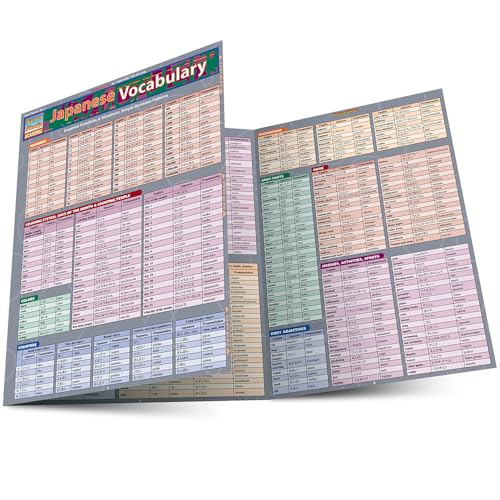
- Used Book in Good Condition
- Sumiko Uo (Author)
- English (Publication Language)
- 6 Pages - 01/01/2005 (Publication Date) - BarCharts Publishing Inc. (Publisher)
5. Heat Wave Warnings in Japan
The Japanese Meteorological Agency issues heat wave warnings when temperatures exceed 35 °C (95 °F) for more than three days consecutively or when temperatures exceed 40 °C (104 °F) for more than one day consecutively. When these warnings are issued, people should take extra precautions such as drinking plenty of fluids and avoiding strenuous activity during peak hours of sunshine and heat.
6. How to Beat the Heat in Japan During Summer?
There are several ways you can beat the heat during a Japanese summer season:
• Wear light clothing made from natural materials such as cotton or linen which will help keep your body cool by allowing air circulation around your skin;
• Stay indoors or seek out air conditioned spaces such as shopping malls or cinemas;
• Take regular cool showers throughout the day;
• Drink plenty of fluids such as water or tea;
• Avoid strenuous activity during peak hours of sunshine and heat;
7. Pros and Cons of Hot Summers in Japan
Hot summers in Japan have both pros and cons:
Pros: • Warmer weather allows people to enjoy outdoor activities such as camping or swimming; • Longer days mean more time available for sightseeing; • Milder winters mean less need for heating costs; Cons: • High humidity levels can make it difficult to stay cool; • Heat waves can cause health problems such as dehydration or heat stroke; • Air conditioning costs can be expensive due to long periods of use;
8 Conclusion
Japan’s hot summers may be too much for some people but there are ways you can beat the heat such as wearing light clothing made from natural materials or seeking out air conditioned spaces. It’s important to take precautions against health risks associated with high temperatures such as dehydration or heat stroke by drinking plenty of fluids and avoiding strenuous activity during peak hours of sunshine and heat.Despite its drawbacks,many people still love visiting Japan during summertime because it allows them to enjoy outdoor activities like camping or swimming,sightseeing,milder winters,etc.
9 Sources Is Japan too hot in July?
July is hot and humid in Japan. Average daily temperatures range from 20 to 31°C (68 to 87°F). Japan receives an average of 154 mm (6 inches) of rainfall in July. Wear short-sleeved shirts shorts and hats and/or UV cream to protect against sunburn.
- Used Book in Good Condition
- George Trombley (Author)
- English (Publication Language)
- 376 Pages - 08/22/2014 (Publication Date) - Learn From Zero (Publisher)
- Ken Fukuyama, Yuki Fukuyama (Author)
- English (Publication Language)
- 246 Pages - 10/11/2022 (Publication Date) - Independently published (Publisher)
- Used Book in Good Condition
- Sumiko Uo (Author)
- English (Publication Language)
- 6 Pages - 01/01/2005 (Publication Date) - BarCharts Publishing Inc. (Publisher)
How hot can Japan get in summer?
The highest monthly average temperature is 28.9 °C (84.02 °F). Around Tokyo and other parts of the Japanese island of Honshu summers are hot with temperatures reaching around 40 °C (104 °F).
Why is Japanese summer so hot?
High pressure builds up in the Pacific Ocean so it contains a lot of water vapor. When summer comes it moves north and covers the Japanese archipelago. Therefore the south wind brings warm and moist air from the Pacific Ocean to Japan and converts it into moisture.
What does summer in Japan feel like?
Summer – June to August is summer in Japan and is very hot and humid. It feels hot when you cross Honshu but urban areas such as Tokyo are hotter and the humidity in the air actually makes it feel like the temperature is in the low to mid range.
What is considered a hot day in Japan?
The temperature of the hottest day
Is Tokyo too hot in August?
Summer in Japan lasts from June to August and is generally a very hot season with high humidity and daytime temperatures exceeding 30 °C (86 °F) especially in Tokyo Kyoto Osaka and other metropolitan areas.

