

Who created The Boondocks, and what influences did they draw from?
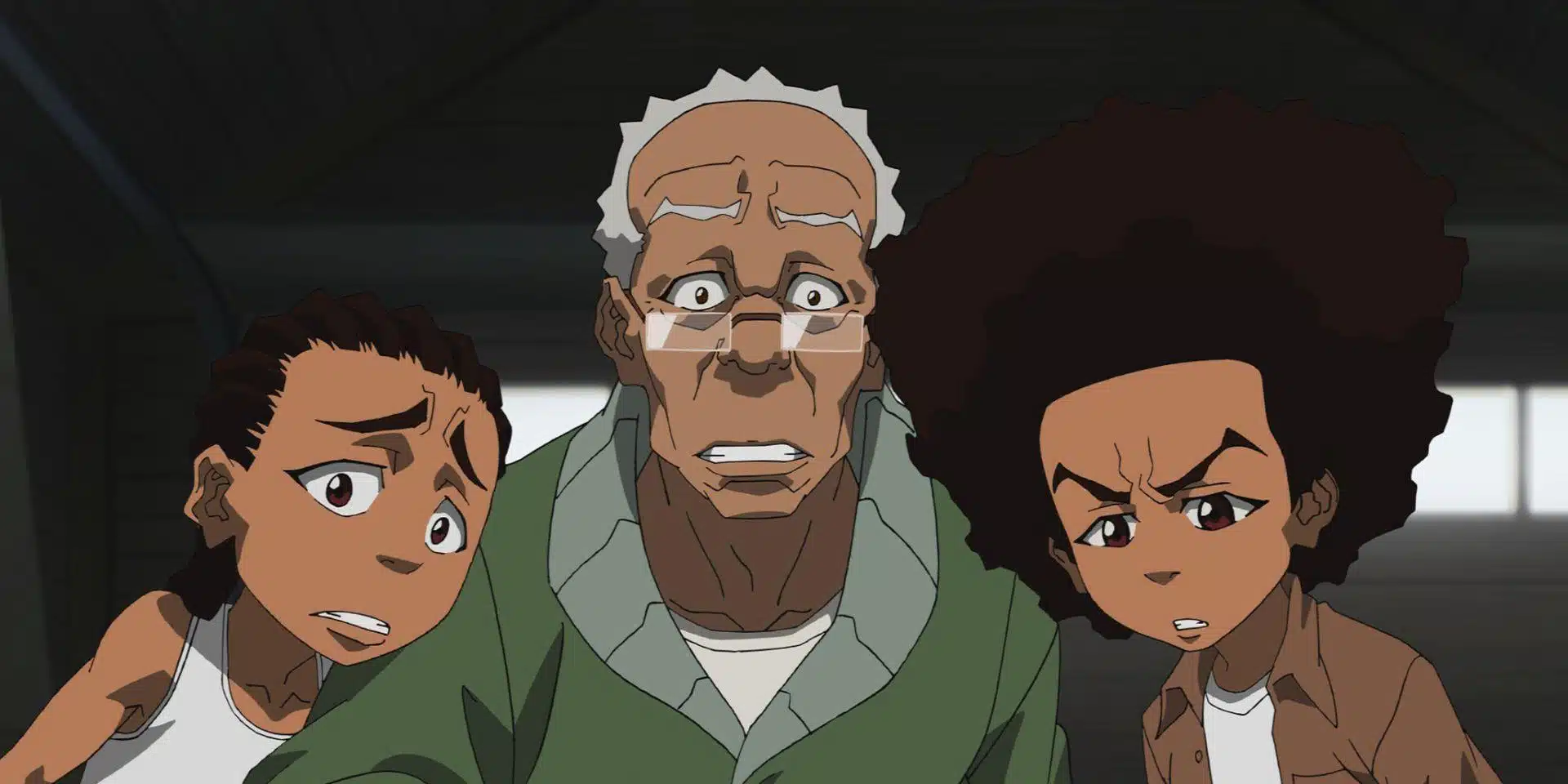
Is the boondocks an anime? This question has sparked debates among fans of animation and cultural studies alike for years. The Boondocks is a groundbreaking series that combines themes of race, culture, and societal issues with a unique animation style, which leads many to consider it as part of the anime genre. In this article, we will explore what defines anime, the origins and characteristics of The Boondocks, and why it occupies a specific niche that sometimes blurs the lines between Western animation and anime.
Understanding Anime and Its Characteristics
The term “anime” refers to a style of animation that originated in Japan. It encompasses a wide range of genres and themes and is recognized by its distinct visual art style, vibrant characters, and complex narratives. To determine whether The Boondocks qualifies as anime, it’s essential to examine the defining traits of traditional anime:
No products found.
- Art Style: Anime typically features colorful artwork, exaggerated facial expressions, and detailed backgrounds.
- Narrative Complexity: Anime often explores intricate storylines, character development, and social issues.
- Cultural Influences: Many anime series incorporate Japanese culture, mythology, and societal norms.
Additional characteristics might include the target demographic, character archetypes, and thematic elements.
Key Differences Between The Boondocks and Traditional Anime
No products found.
Although The Boondocks shares some traits with anime, it is categorized primarily within Western animation. Here are some key differences that highlight why The Boondocks is often viewed separately:
- Cultural Context: The Boondocks draws heavily on African American culture, addressing issues such as systemic racism and social justice. Conversely, most anime tends to reflect Japanese cultural themes and societal issues.
- Production Locale: The Boondocks is produced in the United States, whereas anime is produced predominantly in Japan. This geographic difference significantly influences storytelling techniques and artistic styles.
- Artistic Style: While The Boondocks shares some stylistic elements with anime, it is more influenced by the aesthetics of American comic strips and Western animation.
A Closer Look at The Boondocks’ Creation and Impact
The Boondocks was created by Aaron McGruder and originally ran as a comic strip before being adapted into an animated television series on Cartoon Network’s Adult Swim. The show debuted in 2005 and quickly gained a loyal fanbase due to its sharp political commentary and satirical approach to pressing social issues. Here’s a breakdown of its significance:
- Cultural Commentary: The series boldly tackles complex issues such as identity, racial discrimination, and the African American experience in contemporary society. As such, it serves as an important cultural artifact for discussions about race relations.
- Character Development: The Boondocks introduces multi-dimensional characters, including Huey, Riley, and Granddad, allowing it to resonate with viewers on various levels. Huey Freeman, the show’s primary protagonist, embodies the struggle between cultural heritage and modern influences.
Why The Boondocks is Often Confused with Anime
The confusion surrounding the classification of The Boondocks as an anime can be attributed to several factors:
- Influence of Anime: Aaron McGruder has cited various animes as inspirations for his stylistic choices. The kinetic energy and some visual elements are reminiscent of popular anime series.
- Target Audience: The adult themes, humor, and complex storylines align with mature anime series, further blending the perceived divisions between Western animated works and anime.
Viewer Reception and Critical Acclaim
The Boondocks received widespread acclaim for its daring storytelling and representation of African American culture. Here are several highlights:
- Awards and Recognition: The series received multiple awards, including a Peabody Award for its outstanding contributions to the television landscape.
- Cultural Impact: The Boondocks has left an indelible mark on pop culture, inspiring discussions about race, identity, and social justice within comedic contexts.
Comparative Analysis: The Boondocks vs. Other Animated Series
To provide a clearer picture of where The Boondocks stands in relation to both anime and Western animation, the following table summarizes crucial comparisons:
| Aspect | The Boondocks | Traditional Anime |
| Origin | United States | Japan |
| Cultural Focus | African American culture | Japanese society and culture |
| Art Style | American comic influences | Distinctive Japanese animation style |
| Target Audience | Adults | Varies (children to adults) |
| Thematic Elements | Social justice, race relations | Varied (adventure, romance, drama) |
The Boondocks and Its Influence on Modern Animation
The Boondocks has significantly influenced a generation of animators and writers, encouraging a more profound exploration of social issues within animated formats. The series has paved the way for other creators to infuse their cultural narratives and address social issues in their works.
- Legacy: Its success demonstrates that animated shows can tackle complex themes while maintaining humor and entertainment value.
- Emerging Trends: Similar series that blend humor, social issues, and cultural representation have emerged, pushing the envelope in what animated narratives can achieve.
Conclusion: Defining The Boondocks within the Animation Spectrum
In light of the analysis presented, we can conclude that The Boondocks, while sharing some elements with anime, is fundamentally a distinct form of Western animation. Although it draws inspiration from various sources, including anime, its unique cultural context shapes its narrative stylings and thematic expressions. So, to answer the question, “Is the boondocks an anime?” — it is more accurate to view it as a culturally relevant animated series that straddles the lines between traditional Western animation and anime influences.
For those interested in a deeper exploration of the influences and evolution of The Boondocks, consider checking out The Root’s exploration of The Boondocks and further understand its cultural significance through series analyses and retrospectives.
As viewers continue to engage with series like The Boondocks, the conversations about what constitutes anime and animated works from varying cultural backgrounds will inevitably evolve, echoing the diversity of experiences they seek to portray.

