

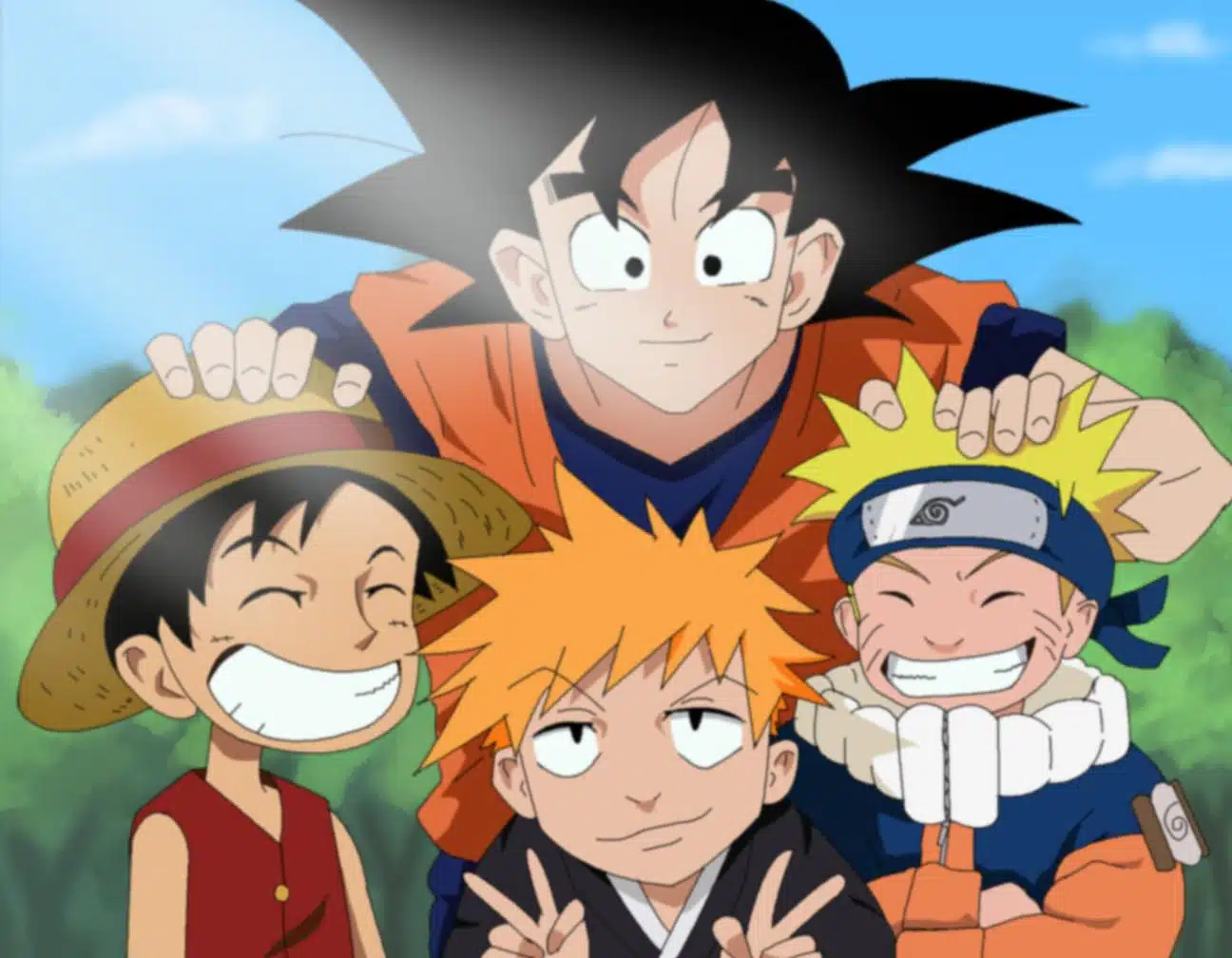
How does the animation style of anime compare to that of Western cartoons?
What’s the difference between anime and cartoon? This question intrigues many fans of animated shows but can often lead to confusion due to the subtle yet significant distinctions between the two. While both anime and cartoons are forms of animated entertainment, they each have unique characteristics, cultural implications, and artistic styles that set them apart. This article aims to provide a comprehensive analysis of these differences, catering to both seasoned enthusiasts and newcomers.
Understanding Animation: The Broader Spectrum
Before diving into the specific differences between anime and cartoon, it’s essential to understand animation in general. Animation, as a medium, encompasses various styles and forms, from traditional hand-drawn techniques to modern 3D computer-generated imagery (CGI). Animated shows can convey a wide range of genres, themes, and narratives, appealing to diverse audiences across different cultures.
No products found.
Key Elements Distinguishing Anime from Cartoons
Anime and cartoons differ in several fundamental aspects. These differences can be categorized into artistic style, cultural significance, storytelling techniques, and audience demographic.
Artistic Style and Visual Aesthetics
One of the most noticeable differences when examining what’s the difference between anime and cartoon lies in their artistic styles.
Anime Features:
- Detailed Artworks: Anime is often characterized by intricate backgrounds and vibrant character designs that reflect a high level of artistry.
- Character Design: Characters in anime typically possess large, expressive eyes, unique hairstyles, and exaggerated facial expressions that convey emotions more profoundly.
- Color Palette: Anime frequently employs a rich and specific color palette that deepens the artistic expression.
No products found.
Cartoon Features:
- Simplicity in Design: Cartoons usually prioritize simple and exaggerated character designs, allowing for easy recognition and appeal to a broader audience.
- Exaggeration: The humor in many cartoons is enhanced through playful exaggeration of movements and facial expressions, contributing to the lighthearted tone of the series.
- Diverse Styles: While varied, the styles in cartoons are often more standardized compared to the more diverse visual compositions seen in anime.
Cultural Significance and Origin
Another vital point in understanding what’s the difference between anime and cartoon pertains to their cultural backgrounds and origins.
Cultural Roots of Anime:
- Japanese Heritage: Anime is a product of Japanese culture, often incorporating traditional themes, folklore, and societal values.
- Subcultural References: Many anime series delve into complex themes and subcultures, attracting niche audiences interested in specific genres, such as seinen or shoujo.
Cultural Roots of Cartoons:
- Western Origins: Cartoons have evolved primarily in Western societies, with iconic figures like Mickey Mouse and Bugs Bunny symbolizing cartoon heritage.
- Broad Appeal: The themes in cartoons are typically designed for mass appeal, often featuring exaggerated humor and simple moral lessons.
Storytelling Techniques and Themes
The storytelling approach distinguishes anime from cartoons in terms of depth, complexity, and audience engagement.
Anime Narrative Style:
- Complex Narratives: Many anime series focus on intricate plots with character development and emotional arcs, encouraging viewers to invest in the storyline.
- Target Audience Diversity: Anime caters to a wide range of demographics, including children, teenagers, and adults, allowing for varied themes and genres like horror, romance, and psychological drama.
Cartoon Narrative Style:
- Simplified Plots: The storytelling in cartoons tends to favor humor and episodic adventures, often prioritizing laughs over character arc development.
- Youth-Oriented: Cartoons traditionally target children, although there are exceptions aimed at adult audiences (e.g., The Simpsons).
Major Genres in Anime and Cartoons
As we explore what’s the difference between anime and cartoon, it’s important to recognize the genres prevalent in each medium. This section clarifies the genres often found in anime versus those typically associated with cartoons.
Popular Anime Genres
- Shounen: Targeted primarily at young males, this genre includes action-packed stories featuring male protagonists (e.g., Naruto, My Hero Academia).
- Shojo: Targeted at young females, this genre focuses on romance and relationship dynamics (e.g., Sailor Moon, Fruits Basket).
- Seinen: Aimed at adult men, these series include more mature themes (e.g., Attack on Titan, Berserk).
- Josei: Aimed at adult women, including realistic portrayals of relationships and life (e.g., Nana, Paradise Kiss).
Popular Cartoon Genres
- Comedy: Encompasses various comedic styles aimed at entertaining both children and adults (e.g., SpongeBob SquarePants, Family Guy).
- Adventure: Often includes quirky characters on whimsical journeys (e.g., Adventure Time, The Amazing World of Gumball).
- Fantasy: Explores imaginative worlds, making use of colorful visuals and outlandish stories (e.g., DuckTales, Steven Universe).
The Audience Demographic: Who Watches What
Examining audience demographics is crucial to understanding what’s the difference between anime and cartoon.
Anime Audiences
- Varied Age Groups: Anime caters to diverse age groups, from children to adults, often containing themes that resonate with explicit age demographics.
- Niche Followings: Certain anime genres cultivate passionate fan bases, with conventions and fan art elevating community engagement.
Cartoon Audiences
- Primarily Children: Cartoons traditionally target younger audiences, though some series gain popularity among adults due to their satire and humor.
- Family-Friendly: Many cartoons are structured to appeal to families, providing entertainment suitable for all ages.
Viewing Formats: How Audiences Consume Anime and Cartoons
Another consideration in what’s the difference between anime and cartoon is the viewing experience and format through which audiences access content.
Anime Viewing Trends
- Seasonal Releases: Anime is typically released in seasonal blocks, creating anticipation and community discussions.
- Streaming Platforms: The rise of streaming services like Crunchyroll and Funimation has given fans access to a vast array of anime series.
Cartoon Viewing Trends
- Episodic Release: Cartoons often follow a more episodic format with new episodes airing regularly.
- Broad Distributions: Available through various network channels, cartoons are accessible on multiple platforms, including cable and streaming.
Conclusion: Embracing the Differences
Understanding what’s the difference between anime and cartoon involves recognizing not just the artistic and cultural distinctions, but also their impact on global audiences. Both mediums deliver entertainment through unique storytelling techniques, artistic styles, and thematic depth, catering to varied preferences and age groups.
while anime and cartoons both hold a significant place in animation, their differences are profound and worth appreciating. As fans of animation continue to explore various forms of media, recognizing these distinctions only deepens the experience and enjoyment of their favorite shows.
For further exploration of animation styles and cultural significance, check out these reputable sources: Anime News Network and Cartoon Brew.

