
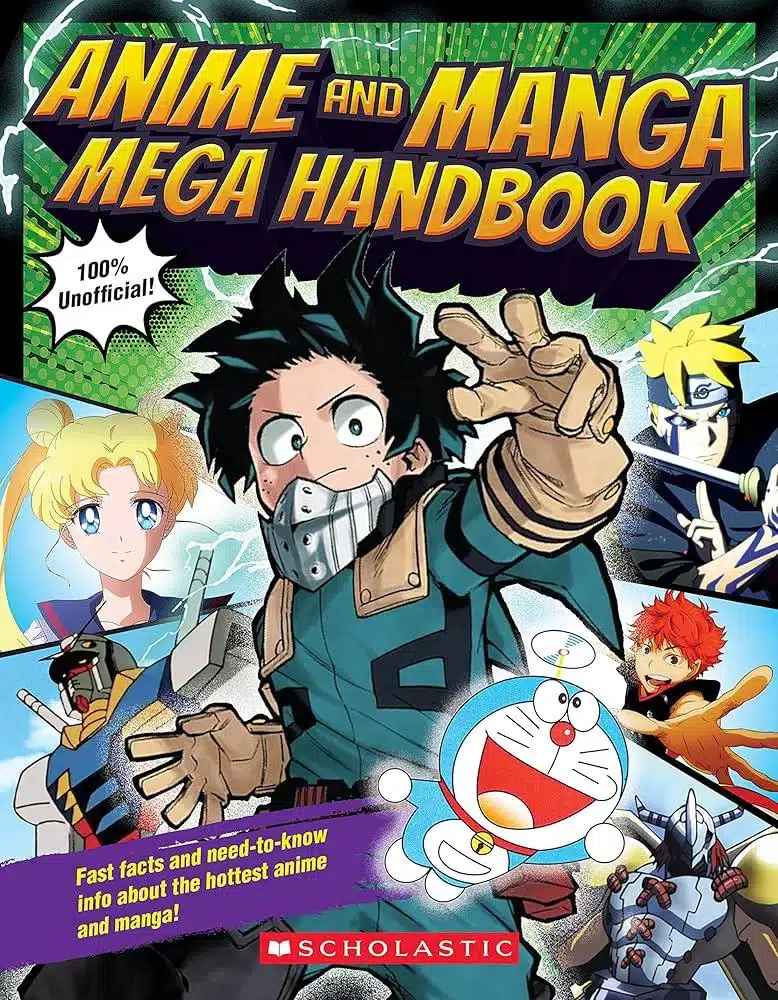
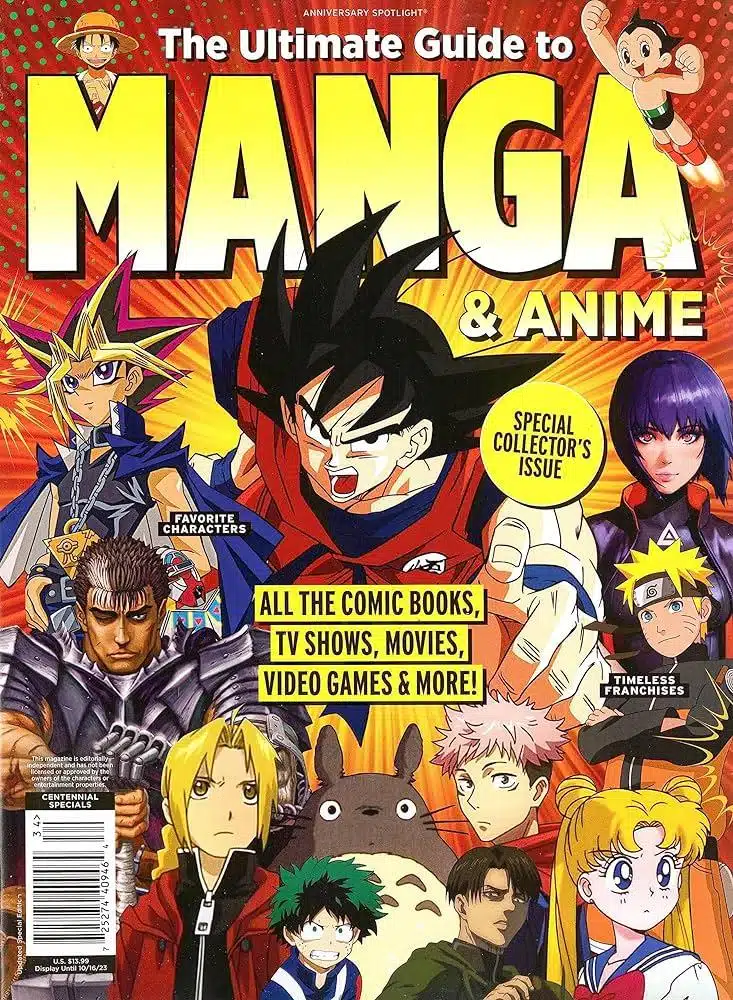
What are the main genres of manga books?
Manga books have gained immense popularity worldwide, captivating diverse audiences with their distinctive art style and engaging narratives. Understanding what manga books are involves exploring their rich history, various genres, cultural significance, and differences compared to other forms of comics. This article will delve deep into the world of manga, providing insights for both new readers and seasoned fans.
Understanding Manga Books
Manga books are a form of Japanese comic books or graphic novels characterized by their unique art style and a wide range of genres. Typically, they are printed in black and white, although full-color editions exist. The stories in manga encompass diverse themes and motifs, appealing to various age groups and preferences.
Origin and Historical Context of Manga Books
The history of manga can be traced back to the Edo period of Japan (1603-1868), although its modern form began to take shape in the late 19th century. Early manga often was inspired by ukiyo-e woodblock prints and satirical art. Manga, as we know it today, began to flourish post-World War II. Artists like Osamu Tezuka, often referred to as the “God of Manga,” played a vital role in establishing narrative styles and visual aesthetics that define manga books.
No products found.
Manga books primarily gained international attention during the 1980s, when titles like “Akira” and “Dragon Ball” were adapted into animated series, facilitating cultural exchange. Today, manga is a global phenomenon, with numerous titles being translated into various languages.
The Structure of Manga Books
Format and Readability of Manga Books
Manga books typically follow a right-to-left reading format, which differs from Western comics. This format is crucial as it adheres to the traditional Japanese reading style, maintaining the author’s original layout. They come in various sizes, including tankobon (standalone volumes) and magazines.
Here’s a brief overview of common manga book formats:
| Format | Description |
|---|---|
| Tankobon | Stand-alone volumes, usually collecting multiple chapters. |
| Magazine | Periodicals that feature several stories; examples include Shonen Jump and Shoujo Beat. |
| One-Shot | Stories that are self-contained in a single volume. |
Art Style of Manga Books
The art style of manga books is one of their most striking features, often characterized by exaggerated facial expressions, dynamic poses, and detailed backgrounds. This stylization aids in conveying emotions and actions effectively. Various genres might exhibit different artistic styles, from the clean lines of shoujo (targeting a young female audience) to the more gritty aesthetic found in seinen (adult male-oriented) manga.
Genre Diversity in Manga Books
Manga books encompass a multitude of genres, ensuring that there’s something for everyone. Below are some notable genres along with their key attributes:
Shonen and Shoujo Manga Books
Shonen and shoujo are two foundational genres in the manga world:
- Shonen: Traditionally aimed at a young male audience, focusing on action, adventure, and friendship themes. Popular examples include “Naruto,” “One Piece,” and “My Hero Academia.”
- Shoujo: Primarily targeting young females, often centering around romance, relationships, and personal growth. Titles like “Sailor Moon” and “Fruits Basket” exemplify this genre.
Seinen and Josei Manga Books
For older audiences, the genres of seinen and josei provide more mature themes:
- Seinen: Geared toward adult males, featuring complex plots and deeper character development. Notable titles include “Berserk” and “Attack on Titan.”
- Josei: Focused on adult females, addressing realistic life scenarios and relationships. Popular examples are ”Nana” and “Paradise Kiss.”
Other Notable Genres in Manga Books
Additional genres include:
- Slice of Life: Reflecting everyday experiences, often with a sense of humor.
- Fantasy: Incorporating mythical creatures and worlds, such as “Fullmetal Alchemist.”
- Horror: Exploring the darker side of human nature and fear, with titles like “Junji Ito’s works.”
Cultural Significance of Manga Books
Manga Books as a Cultural Phenomenon
Manga books hold significant cultural importance in Japan, often influencing social norms, trends, and public discourse. They contribute to the understanding of Japanese society’s values, aspirations, and issues. Furthermore, manga’s influence transcends borders; it plays a crucial role in artistic expression and has inspired global popular culture, from anime adaptations to fashion trends.
Manga Books and Global Influence
The popularity of manga books outside Japan has surged, leading to diverse interpretations and adaptations. Many Western creators draw inspiration from manga, having incorporated stylistic elements and storytelling techniques into their work. The increase in anime adaptations of popular manga series has further fueled interest in the medium.
How to Read Manga Books
Finding Manga Books
Accessing manga books has never been easier. Readers can find them in physical bookstores, libraries, and online platforms. Several popular sites offer vast libraries of manga titles with digital formats, making it convenient for readers to explore.
Digital vs. Physical Manga Books
The debate between digital and physical formats continues among fans:
- Digital Manga: Great for portability, often available on multiple devices; can come with interactive features.
- Physical Manga: Tangible, collectible, and often includes beautiful cover art and high-quality pages.
Popular Manga Books to Explore
Classic Manga Books
Some must-read classic titles include:
- “Akira” by Katsuhiro Otomo
- “Dragon Ball” by Akira Toriyama
- “Slam Dunk” by Takehiko Inoue
Contemporary Manga Books
Current trending manga books are:
- “Tokyo Revengers” by Ken Wakui
- “Demon Slayer: Kimetsu no Yaiba” by Koyoharu Gotouge
- “Jujutsu Kaisen” by Gege Akutami
Conclusion
manga books are a vibrant and complex segment of graphic literature that offers a myriad of stories and artistic expressions. Their historical roots, cultural resonance, and genre diversity make them an essential part of both Japanese and global pop culture. As a medium, manga continues to evolve, reflecting not only the changing tastes of audiences but also broader societal narratives. Whether you are a seasoned fan or a newcomer asking, “What is manga books?” there’s always more to discover in this fascinating world. For a deeper understanding, check out resources like VIZ Media or MangaFox for comprehensive reads and updated releases.

